
Trump seeks $1.5T for defense, 10% cut to domestic programs
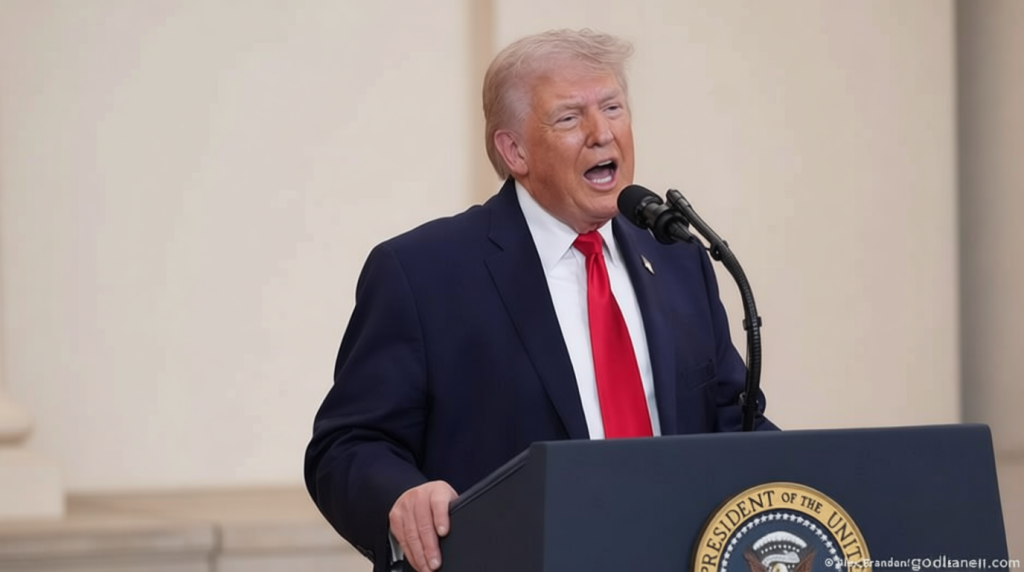
Trump seeks $1.5T for defense, 10% cut to domestic programs
Amid escalating expenses tied to the US-Israel conflict with Iran, Washington is presenting a new budget outline that includes plans to replenish military supplies. The president emphasized his intent to streamline spending by targeting initiatives he deems “woke, weaponized, and wasteful.”
On Friday, Trump outlined his 2027 budget plan, proposing a significant raise in defense funding to reach $1.5 trillion (€1.3 trillion). This increase, occurring amid the ongoing US-Israel conflict with Iran, would push military expenditures up by over 40% annually, marking the largest boost since the end of World War II.
To counterbalance this, the president suggested a 10% reduction in non-defense allocations, targeting initiatives he describes as “woke, weaponized, and wasteful,” and restoring responsibilities to state and local governments, according to the 92-page document.
Key Domestic Spending Cuts
Trump’s proposals include slashing funding for several major federal departments. The Agriculture Department faces a 19% decrease, while the Health Department is targeted with a 12.5% cut. The Environmental Protection Agency is proposed to see a 52% reduction, with over $15 billion removed from the Biden-era bipartisan infrastructure law.
Additional cuts include $106 million from the Agency for Healthcare Research and Quality, which the administration criticizes for promoting “radical gender ideology onto children.” The National Endowment for Democracy is also slated for a $315 million reduction, and nearly 30 Justice Department programs are to be scrapped, labeled as “weaponized” against the public.
For NASA, the budget request calls for a 23% drop in funding, specifically a $3.6 billion cut to the agency’s science division. The increased defense budget would support initiatives such as the Golden Dome missile defense system, critical mineral stockpiles, and the construction of 34 new ships.
“An out-of-touch plea for more money for guns and bombs, and less for the things people need, like housing, health care, education, roads, scientific research, and environmental protection.”
Democrats swiftly criticized the plan, with Senator Jeff Merkley, the top Democrat on the Budget Committee, highlighting its focus on military expansion over essential domestic needs. Some Republicans, however, endorsed the defense increase, arguing it would align US military spending with 5% of GDP and maintain global leadership in military technology.
Roger Wicker and Mike Rogers, heads of the Senate and House armed services committees, jointly praised Trump for sending a message to allies about advancing military capabilities. The final budget will depend on Congress, as the president’s proposals are nonbinding but reflect the administration’s priorities.
