
Digital forensics could be the tool that helps ‘paint a picture of truth’ in the Guthrie case
Digital forensics could be the tool that helps ‘paint a picture of truth’ in the Guthrie case
Nearly five weeks have passed since Nancy Guthrie, the mother of “TODAY” co-anchor Savannah Guthrie, was reported missing on February 1. While no suspect has been publicly named, digital forensics is emerging as a critical method in unraveling the mystery. Investigators are focusing on data from digital devices and online platforms, which could reveal hidden patterns or anomalies in the case.
Expert Insights on Digital Evidence
Heather Barnhart, a digital forensics specialist with the SANS Institute and Cellebrite, emphasized that technology leaves an indelible mark. “Data from multiple devices can create a comprehensive record, and this same abundance complicates efforts for criminals to erase their traces,” she noted. Barnhart’s work on the University of Idaho murders, where Bryan Kohberger received four life sentences, showcased the power of digital analysis. She explained how phone logs and device activity provided key evidence in that case.
“Your phone is a silent witness to your life. It knows everything you do,” Barnhart said. “So forming those patterns and then looking for any anomaly of someone trying to hide their digital footprint is key here.”
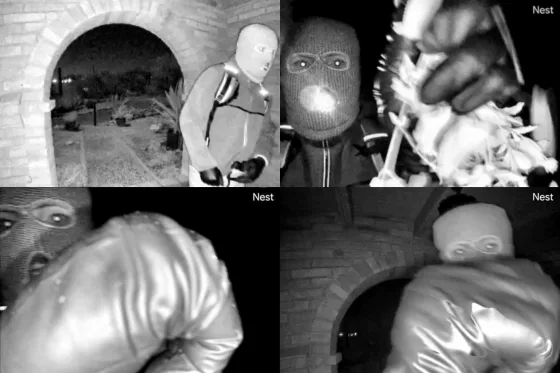
Despite the lack of a public suspect, digital forensics has already yielded some clues. Images from Guthrie’s doorbell camera, captured in the hours before her disappearance, have been analyzed, though the identity of the individual in the footage remains unknown. The family’s recent $1 million reward for her recovery underscores the urgency of the search.
Challenges with DNA Evidence
Investigators have faced hurdles with DNA findings. Gloves found two miles from Guthrie’s home yielded no matches in CODIS, the FBI’s DNA database. Meanwhile, DNA collected from her home is being examined, though the lab has reported “challenges” with the sample. Pima County Sheriff Chris Nanos expressed optimism about using investigative genetic genealogy, which merges DNA analysis with family tree research. However, the process is proving complex.
“We’re not going to give up. We’re going to find Nancy, and we’re going to find out who did this,” Nanos stated earlier this month.
Chris Burbank, a former Salt Lake City police chief, argued that digital data complements physical evidence. “Most people involved in such cases leave a social media trail, which AI can help track,” he suggested. This approach, he claimed, could uncover leads that traditional methods might miss.
Barnhart highlighted the role of smartphones in capturing daily routines. “Typically, you don’t do the same thing every single day in the same way you’re going to act the day you commit a crime,” she said. In the University of Idaho case, Kohberger’s phone activity—such as disabling it before the murders and reactivating it afterward—became a crucial timeline for investigators. “That became the bookend of Bryan Kohberger being awake at those hours, manually powering down a device that was at 100% battery,” she explained.
As the Guthrie case progresses, digital forensics is expected to play a pivotal role. Analysts will examine cell tower data, Wi-Fi logs, travel records, and cloud storage to piece together a narrative. Barnhart believes the evidence will ultimately “paint a picture of truth,” whether through the identification of a suspect or the discovery of overlooked technological clues.
