
Children’s entertainer Ms. Rachel has a new cause: Freeing kids from ICE detention
Children’s entertainer Ms. Rachel has a new cause: Freeing kids from ICE detention
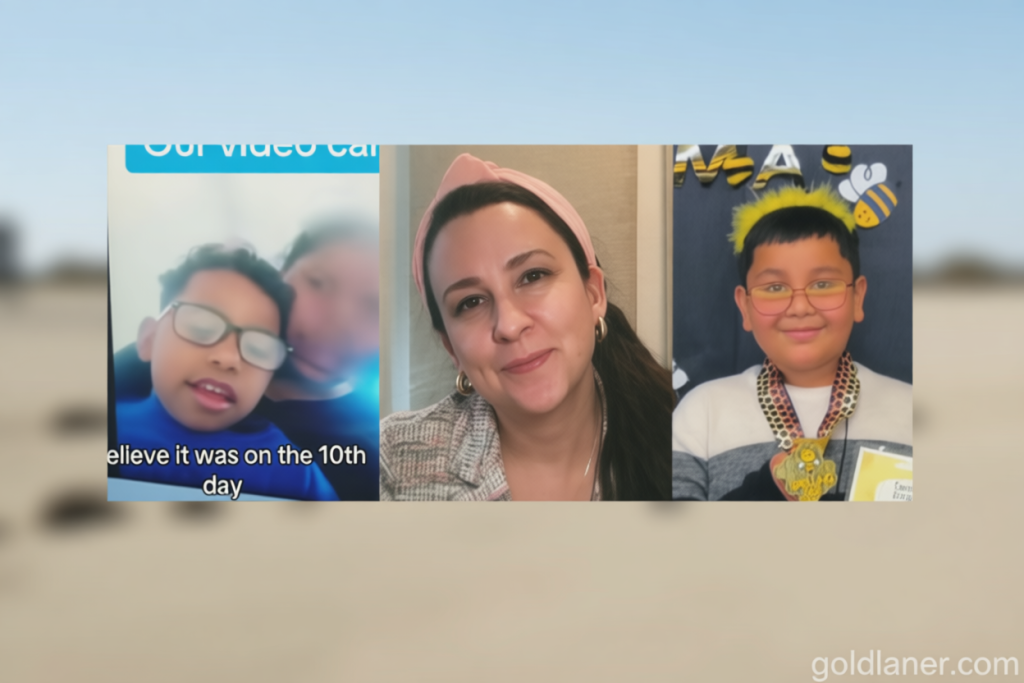
During a video call last week, a 9-year-old boy’s voice trembled with emotion as he spoke. “I don’t want to be here anymore,” he said. “Nothing is good here.” For months, Deiver Henao Jimenez had been confined with his parents at the Dilley Immigration Processing Center in South Texas, where children have shared complaints about inadequate schooling, constant lighting, and stale meals. The encounter with Ms. Rachel, a beloved children’s entertainer, offered a rare moment of connection in a place often described as harsh and isolating.
A story of hope and heartbreak
Ms. Rachel, whose real name is Rachel Accurso, wore her signature pink headband as she leaned into the screen, attempting to ease the boy’s anxiety. “Oh, I’m so sorry,” she said, her voice warm and melodic. “Many people are trying to help.” Deiver recounted missing his friends and feeling discomfort from the food, but his deepest fear was about missing his spelling bee. “I want to leave and go to the spelling bee,” he said, referencing a competition he had qualified for in New Mexico.
“It was unbelievably surreal to see this sweet little face and feel like I was on a call with somebody who’s in jail,” Accurso told NBC News in an exclusive interview. “It broke me, and it was something I never thought I’d encounter in life.”
The family detention center in Dilley became prominent in January when U.S. immigration agents detained a father in Minneapolis, sending him and his 5-year-old son, Liam Conejo Ramos, to the remote facility. A viral image of Liam, clad in a blue bunny hat and Spider-Man backpack, sparked national conversation about the treatment of children and families in custody. Though the family was later released, their asylum claim was denied this week.
A growing concern
Accurso, known for her educational videos for infants and toddlers, has expanded her advocacy beyond child welfare. She has highlighted the struggles of children in conflict zones like Gaza, Sudan, and the Democratic Republic of Congo, raising significant funds while facing criticism from those who argue she favors certain causes. Her stance remains consistent: “I see all children as precious and equal,” she said, emphasizing her commitment to universal protection.
After speaking with Deiver and another child at Dilley, Accurso announced a new mission to support local efforts. “I’m working with lawyers and immigration rights activists to close Dilley and ensure kids and their parents return to their communities,” she explained. Reports from parents and legal professionals describe children losing weight due to infestations in food, growing fearful from patrols, and waiting hours for basic medical care. Some have even experienced emergencies while detained.
The New York Times noted a dramatic drop in Dilley’s population, from around 500 in January to approximately 50 this week. While the cause of the decline is unclear, it follows sustained pressure from human rights groups, Democratic lawmakers, and legal advocates. The Department of Homeland Security dismissed criticism as “mainstream media lies,” insisting Dilley provides thorough care tailored to families. Yet Accurso’s direct interaction with children has deepened her resolve, linking her global advocacy to the immediate realities of detention in her own country.
