
Cesar Chavez accused of abusing girls and women, drawing outrage and reckoning for civil rights movement
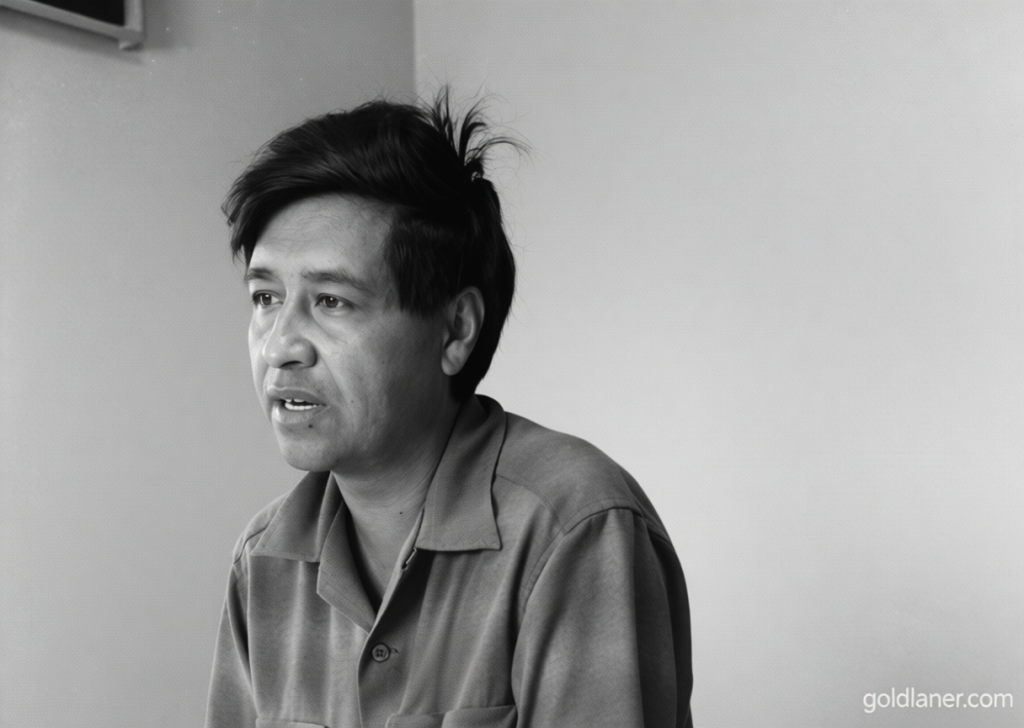
New Revelations Surface About Cesar Chavez’s Past Allegations of Abuse
Recent claims of sexual misconduct against the late Cesar Chavez, a leading figure in labor rights, have stirred significant controversy. The accusations, which date back to the 1960s and 1970s, allege that he sexually abused girls and women during his active role in advancing farmworkers’ rights. These allegations have prompted a reevaluation of his legacy within the civil rights movement.
Dolores Huerta, a co-founder of the United Farm Workers and a key civil rights advocate, shared her experiences in a statement. She described how Chavez manipulated her into sexual relations initially and later raped her. “I felt powerless to refuse because he was my boss and the leader I had supported for years,” Huerta said. “On another occasion, I was assaulted against my will in a setting where I felt trapped.”
“The first time I was manipulated and pressured into having sex with him, and I didn’t feel I could say no because he was someone that I admired, my boss and the leader of the movement I had already devoted years of my life to.”
These accounts, along with those of two other women, were highlighted in a New York Times investigation published this week. The report cites over 60 interviews, including with former aides, family members, and union associates. Researchers also analyzed union documents, private emails, and recordings of UFW board meetings.
Cesar Chavez, a prominent Mexican American icon, is celebrated as a pioneer in U.S. history for his work in uplifting farmworkers and advocating for equality. His influence inspired generations of activists, and his death in 1993 marked the end of an era. Despite his revered status, the allegations now challenge the narrative of his moral authority.
Chavez Family Responds with Condolence and Commitment
The family of Cesar Chavez released an initial statement expressing shock and sadness over the accusations. They later updated it, calling the allegations “deeply painful” and emphasizing their dedication to the causes he championed. “We honor the courage of survivors and support those who speak out,” the family said.
They acknowledged the emotional toll on the victims and expressed hope for healing. “We carry memories of the person we knew, someone whose life was defined by work and contributions that resonate with many,” the statement added.
Union Members Reflect on the Controversy
Eliseo Medina, a former UFW board member and activist, expressed dismay at the accusations. He described the allegations as “a real shock” and revealed that they had left him grieving for the women affected. “All those years we worked together, sharing values and fighting for justice, it seems he didn’t align his actions with those ideals,” Medina said.
Medina, who later became a prominent figure in immigrant rights, noted that he did not personally know the girls involved but had connections to their families. He shared that one of the victims had passed away, and his wife had reached out to the mother of another.
Delia Garcia, a former Kansas labor secretary, emotionally recounted her response to the news. “This is another reason why we can’t let people suffer in silence,” she said, vowing to stand with Huerta and other survivors. Garcia revealed that her family will remove Chavez’s photos from their home, symbolizing a shift in their perception of his legacy.
The disclosures have resonated strongly within Latino and Mexican American communities, sparking public backlash and prompting reflection on the intersection of activism and personal conduct. As the movement grapples with these revelations, the focus now extends beyond his contributions to the questions of accountability and justice within the organizations he led.
