
Ayatollah Khamenei’s iron grip on power in Iran
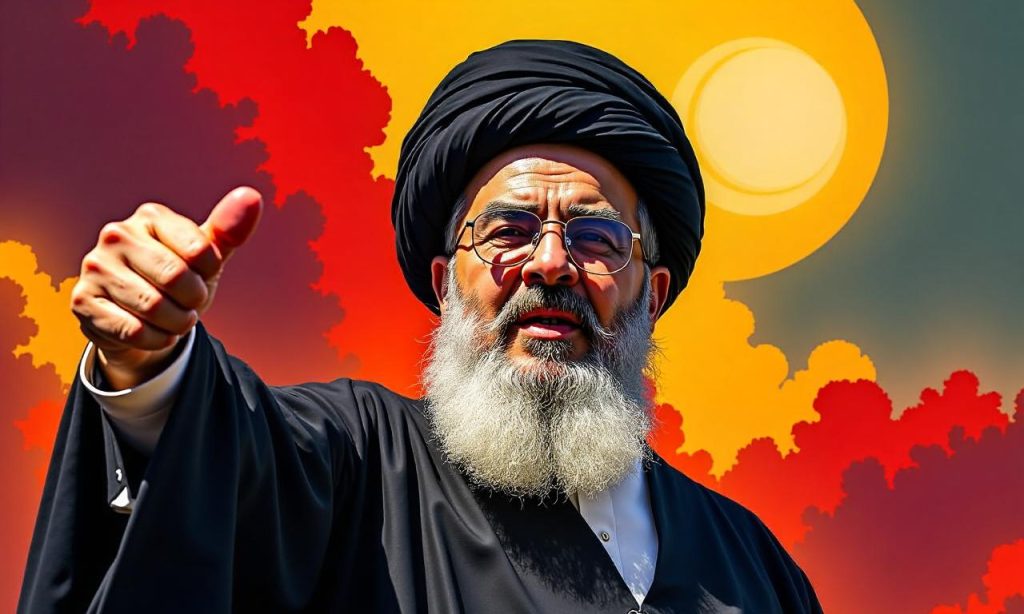
Ayatollah Khamenei’s Iron Grip on Power in Iran
On the opening day of a major US and Israeli military operation, Ayatollah Ali Khamenei was declared dead by US President Donald Trump. Iran has yet to officially confirm the passing of the 86-year-old leader, whose tenure as supreme leader spans over three decades—one of the longest in modern history. The position of supreme leader in Iran is a potent combination of political and military authority, serving as both head of state and commander of the armed forces, including the revolutionary guards.
Leadership Amidst Power Dynamics
While not a dictator in the traditional sense, Khamenei operates within a layered system of authority, often outmaneuvering rivals through strategic influence. His ability to veto policies and select candidates for office has ensured his dominance. For generations of Iranians, his presence is a constant; state media broadcasts his image relentlessly, from public billboards to shop displays, cementing his role as a national figurehead.
Abroad, Iranian presidents have often grabbed headlines, but Khamenei’s authority remains unchallenged domestically. His death, if confirmed, would signify a seismic shift in Iran’s political landscape, potentially unsettling both the nation and its regional neighbors.
From Humble Beginnings to National Power
Born in 1939 in Mashhad, Khamenei was the second of eight children in a devout Shia family. His father, a mid-level cleric, shaped his early exposure to religious doctrine. As a child, Khamenei recalled a life of simplicity, surviving on “bread and raisins” and immersed in Quranic studies by age 11. Though his formal education was rooted in faith, his political awakening began during the 1970s, as he aligned with reformists opposing the Shah’s regime.
“My childhood was marked by poverty and piety,” Khamenei once said, reflecting on his early years of hardship and spiritual discipline.
He quickly became a vocal critic of the Shah, enduring six arrests by the regime’s secret police and periods of forced exile. After the 1979 Islamic Revolution, Khomeini elevated him to Friday prayer leader in Tehran, a role that allowed him to spread revolutionary ideals through weekly sermons. This marked the start of his ascent to the top echelons of power.
The Hostage Crisis and Global Impact
Following the revolution, Khamenei’s faction supported a group of militant students who seized the US embassy. The 444-day hostage ordeal became a defining moment, fueling Iran’s anti-American stance and isolating it internationally. The event also showcased Khamenei’s resilience; he narrowly escaped an assassination attempt in 1981 when a bomb hidden in a tape recorder detonated during a lecture, wounding him severely and leaving him permanently disabled in his right arm.
Later that year, he won the presidential election with 97% of the vote, a testament to his political acumen. In his inaugural speech, he denounced “deviation, liberalism, and American-influenced leftists,” setting the tone for his leadership in a time of war and upheaval.
The Iran-Iraq War and Shaping a Legacy
Khamenei’s tenure as president coincided with the Iran-Iraq War, a brutal eight-year conflict that left hundreds of thousands dead. Saddam Hussein’s invasion of Iran, driven by fears of the revolution’s spread, was met with fierce resistance. Khamenei spent months on the front lines, witnessing the sacrifices of young soldiers and commanders. The Iraqi military employed chemical weapons against Iranian border villages, while Tehran endured missile attacks. Iran’s strategy of human waves, often composed of underage conscripts, became a symbol of its resolve.
The war solidified Khamenei’s deep mistrust of the West, which had backed Saddam’s regime. His leadership during this period entrenched Iran’s ideological stance and ensured his enduring influence. Even as the nation emerged from the conflict, his grip on power remained as firm as ever.
With Khomeini’s passing in 1989, Khamenei transitioned from a revolutionary figure to a long-standing leader, shaping Iran’s trajectory in the decades that followed.
