
Will Ukraine help Gulf states down Iranian drones?
Will Ukraine help Gulf states down Iranian drones?
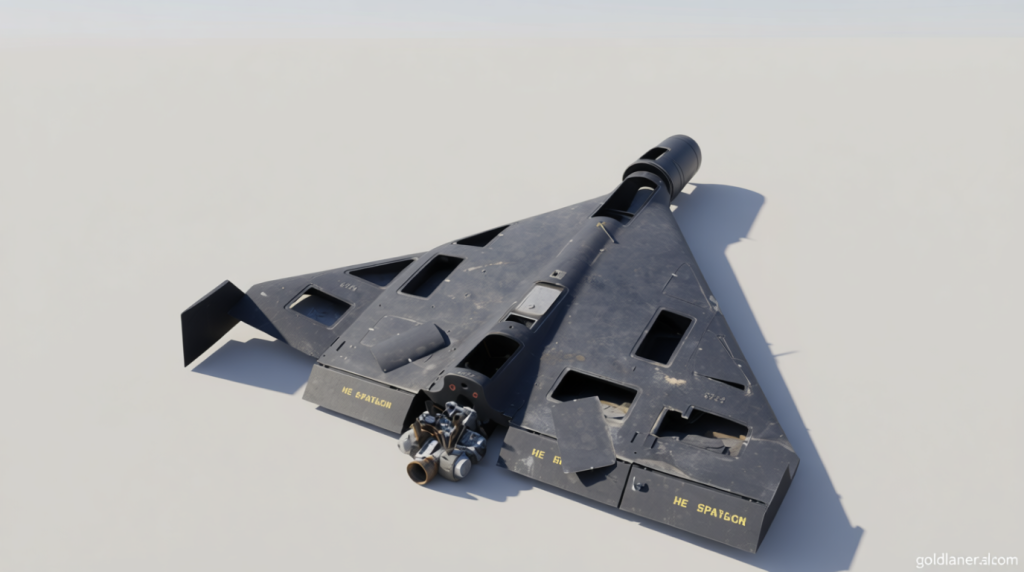
Ukraine has stated its readiness to share its knowledge with Gulf nations to defend against Iranian drone attacks. However, Ukrainian specialists are unable to leave their homeland due to ongoing hostilities. The country is prepared to support Middle Eastern allies in safeguarding critical infrastructure and military installations from Iranian drone strikes, which are frequently employed in such attacks.
President Volodymyr Zelenskyy highlighted Ukraine’s extensive experience in drone defense, expressing confidence in the ability to provide valuable insights. He noted that discussions are underway with the United States, European countries, and nations bordering Iran. Yet, he attached a condition: “Middle Eastern leaders must secure a one-month ceasefire from Russia, which they can do by asking Moscow to halt its attacks.”
“Once the ceasefire is in place, we can dispatch our top drone defense operators to the region. We could also assist Israel in the same manner,” Zelenskyy stated on his Telegram channel.
Ukrainian Foreign Minister Andrii Sybiha echoed this sentiment during a Reuters interview, asserting that the armed forces could intercept 90% of Iranian Shahed drones using domestically developed systems. He added, “We can’t deploy all our forces, but if Russia stops attacking Ukraine, we’ll send a contingent to help.”
Oleksandr Chara of the Center for Defense Strategies (CDS) explained that Gulf states had previously overlooked the Russian-Ukrainian conflict’s implications. This shifted when Iranian drones, incorporating Russian components, began targeting Middle Eastern regions. Kyiv offers both technical expertise and trained personnel to bolster their defenses.
Chara outlined three potential scenarios for cooperation: deploying Ukrainian forces with intercept systems to protect Gulf assets immediately, training Arab drone pilots in both regions to strengthen ties, or investing Gulf capital into Ukraine’s defense industry to mass-produce intercept drones.
On March 3, Zelenskyy mentioned Ukraine’s consideration of transferring some drone production to Gulf states. In return, Kyiv seeks American PAC-3 missiles to enhance its air defense capabilities. A Financial Times report on March 5 indicated that the Pentagon and at least one Gulf state are discussing the acquisition of Ukrainian-made intercept drones, as shared by an unnamed industry representative.
Oleh Katkov, a defense analyst, pointed out that while Gulf nations possess substantial financial resources, they lack crucial data and battle-tested algorithms. “Our experience provides invaluable insights—like how many mobile units are deployed, how much ammunition is needed, and which systems function best,” Katkov told DW.
Zelenskyy envisions a “classic win-win situation” where Gulf states benefit from Ukraine’s expertise while also contributing to the region’s security. His goal is to incentivize these countries to realign their support away from Russia and increase pressure on its actions in the war.
