
Who is Mojtaba Khamenei, Iran’s new supreme leader?
Who is Mojtaba Khamenei, Iran’s new supreme leader?
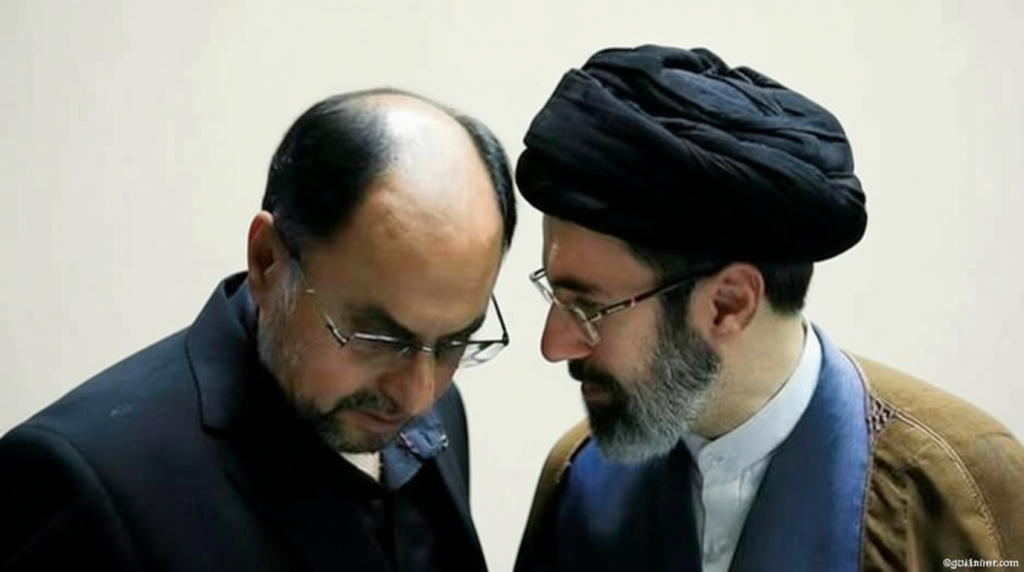
Iran’s Assembly of Experts has selected Mojtaba Khamenei, the son of former supreme leader Ali Khamenei, as the nation’s new head of state. The choice reflects the country’s ongoing confrontation with the United States and Israel, signaling a continuation of assertive policies. Mojtaba, born on September 8, 1969, in Mashhad, is the second child of Ali Khamenei, who was killed in an Israeli airstrike on February 28. The 88-member body of clerics officially announced his election as supreme leader on March 8, just days after intensified tensions with the U.S. and Israel.
Political Influence and IRGC Ties
Mojtaba is regarded as a key player in Iran’s power dynamics, despite his low public profile. He maintains strong connections with the Islamic Revolutionary Guard Corps (IRGC), a force widely seen as central to the country’s decision-making. His father, Ali Khamenei, had previously led the IRGC, and Mojtaba is believed to have inherited its influence. While he has never held public office, his role in shaping Iran’s political landscape is significant.
“They are wasting their time. Khamenei’s son is a lightweight,” said US outlet Axios, quoting former President Donald Trump.
The new leader’s selection has drawn criticism from Western powers. Trump described the move as “unacceptable,” suggesting it would not endure without Washington’s involvement. Israel’s defense minister warned that Mojtaba’s successor would be a “target for elimination,” highlighting the regional stakes.
Early Life and Career
After completing secondary education at Alavi School, Mojtaba entered the Qom seminary, where he studied under influential clerics. His father, Ali Khamenei, was a prominent figure in the anti-monarchist movement during the reign of Shah Mohammad Reza Pahlavi. Mojtaba spent his youth in Sardasht and Mahabad, cities in Iran’s northwest, before joining the IRGC in 1987. He later pursued Islamic studies in Qom, aiming to become a cleric.
Experts note Mojtaba’s early involvement in politics, with his father’s support. He gained visibility during the 2005 presidential elections, where he is alleged to have helped Mahmoud Ahmadinejad, an IRGC official, secure victory. This move reportedly weakened former president Akbar Hashemi Rafsanjani’s political standing. A similar accusation emerged in 2009, when Ahmadinejad’s re-election sparked widespread protests. Some demonstrators reportedly chanted “death to Mojtaba” during the uprising.
Financial and Institutional Power
Mojtaba is thought to oversee financial operations tied to institutions under Ali Khamenei’s control, including the Mostazafan Foundation and the Imam Khomeini Relief Committee. Government insiders claim over 60% of Iran’s economy is managed through such entities. A 2026 Bloomberg report revealed his assets, such as high-value properties in London and Dubai, as well as interests in European shipping, banking, and hospitality sectors. These holdings are structured through intermediaries across multiple jurisdictions.
State media depict Mojtaba as a man of simple living, contrasting with his alleged economic influence. His role in suppressing the 2009 “green movement” has also been reported, further cementing his reputation as a hardline figure. As Iran’s power structure continues to evolve, Mojtaba’s ascension to supreme leader underscores the ongoing consolidation of authority within the clerical and military elite.
