
Iran war: Houthi restraint driven by domestic priorities
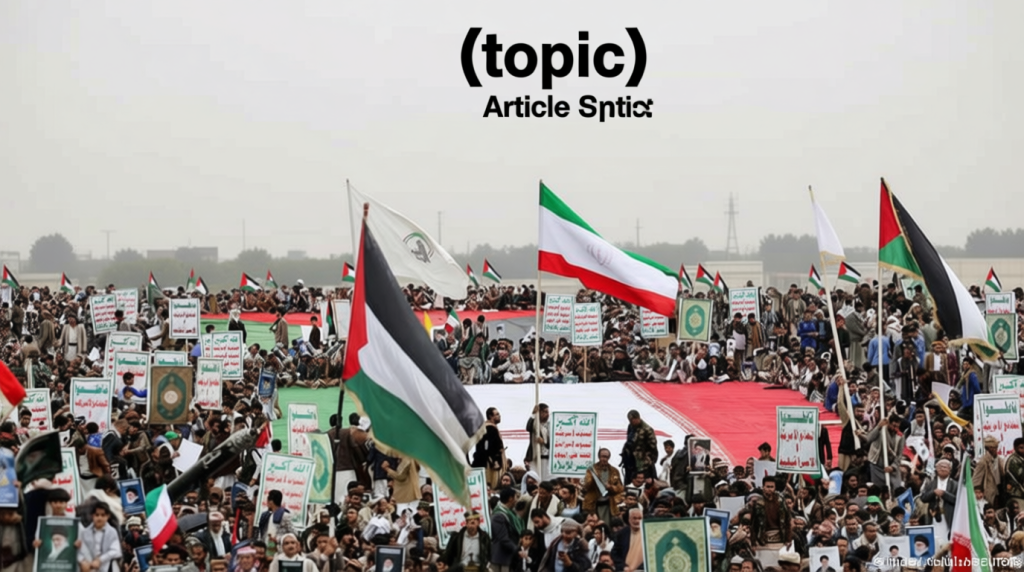
Iran War: Houthi Restraint Shaped by Domestic Considerations
The Yemeni Houthi rebels, supported by Iran, have chosen not to engage directly in the ongoing conflict in Iran, despite their earlier threats to do so. Analysts suggest this deliberate inaction stems from a focus on local concerns rather than immediate regional escalation.
Strategic Caution from Houthi Leaders
Abdullah Sabri, a spokesperson for the Houthi-led Ministry of Foreign Affairs, emphasized that Yemen is “on the verge of taking action.” However, he stopped short of committing to full involvement, stating that the group would “act in accordance with the situation.” Similarly, Abdul-Malik Al-Houthi, the militia’s leader, noted in a recent video address that they stand by Iran, Lebanon, and Palestine, but their readiness to act depends on evolving circumstances.
Contrast with Hezbollah’s Aggression
Unlike the Iran-backed Lebanese Hezbollah, which has actively participated in the Iran-Israel conflict, the Houthis have opted for a hands-off approach in the current war. This hesitancy may reflect a calculated strategy to prioritize their own goals over aligning with Tehran’s broader objectives.
Analysts Highlight Multiple Influences
Luca Nevola of the US-based ACLED monitoring group explains that the Houthis’ restraint is driven by a careful assessment of risks and rewards. “Their potential losses outweigh the benefits,” he said, noting that military operations could destabilize their position in Yemen. Philipp Dienstbier of the German Konrad Adenauer Foundation adds that the group might be delaying action to build up pressure later, such as targeting Red Sea vessels or energy facilities.
Internal and External Constraints
The Houthis’ current caution is also tied to their weakened state. Nevola points out that the group is “less powerful than in 2023,” due to US airstrikes, economic sanctions, and Israeli strikes on their leadership. A truce with the US and renewed talks with Saudi Arabia further reinforce their desire to avoid conflict. “Involvement could disrupt these diplomatic efforts,” Dienstbier warned.
Autonomy and Military Goals
Dienstbier highlights the Houthis’ independent stance, noting that they do not simply follow Iran’s lead. “They operate with significant autonomy,” he said, adding that their focus includes enhancing drone capabilities and other military assets. This self-reliance allows them to weigh political and strategic advantages before committing to action.
Potential for Future Moves
Despite their present restraint, the Houthis’ unpredictability remains a concern. “The military threat is still present,” Nevola cautioned. “Their sudden involvement in the Iran war cannot be excluded.” The group’s readiness to retaliate against US or Israeli forces, if provoked, underscores the delicate balance they maintain in the region.
