
Do Americans support Trump’s Iran war?
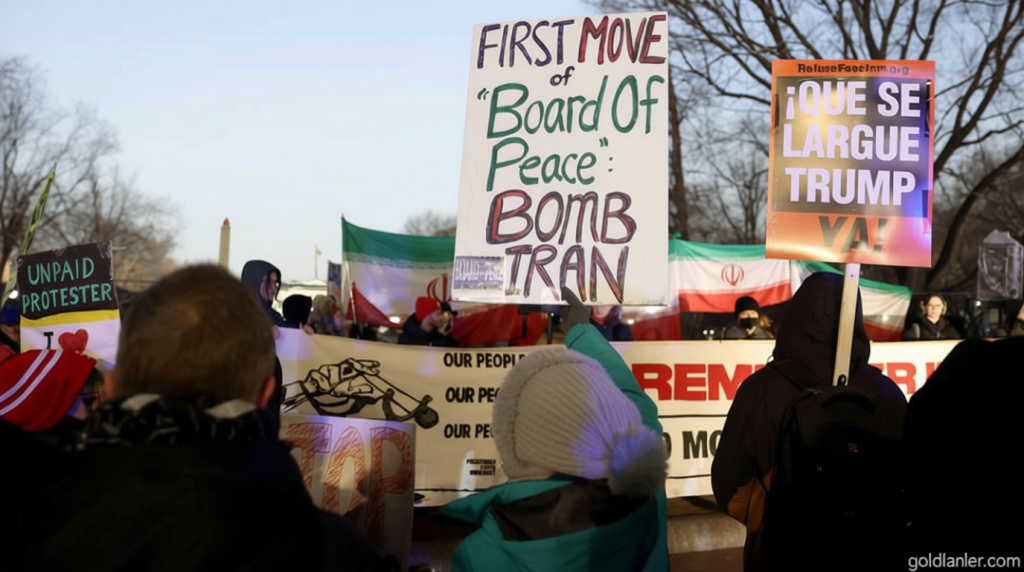
Do Americans Support Trump’s Iran War?
Impact on Economy and Public Opinion
U.S. military actions against Iran are contributing to elevated oil prices and inflation. As the conflict escalates, analysts question whether Trump’s core supporters will endorse this strategy. The president once positioned himself as a peacemaker, highlighting his role in resolving global disputes. He even proposed the creation of the Board of Peace and claimed the Nobel Peace Prize as a possible reward for his efforts.
Yet, since February 28, Trump’s image as a peace advocate has shifted. His intervention in Venezuela, where he ousted leader Nicolas Maduro in January, underscores this change. The strikes on Iran mark a significant departure from his earlier pledge to reduce long-standing conflicts. This contradiction is notable given his frequent promises to avoid perpetual warfare.
Public Sentiment and Polls
Recent surveys reveal growing skepticism among Americans toward the war. CNN reported that 59% of respondents oppose the attacks, while 41% support them. Reuters’ findings show 43% reject the conflict, with 27% in favor and 29% uncertain. Despite these numbers, Trump’s Republican allies largely align with the war effort.
“The current situation in the Middle East is more likely to exacerbate domestic concerns and refocus American attention on a questionable and shaky U.S. economy, including rising energy prices and inflation,” says Jonathan Katz, affiliated with the Brookings Institution.
However, internal divisions have emerged within the MAGA movement. Former Fox News commentator Tucker Carlson criticized the Iran strikes as “absolutely disgusting and evil.” These tensions could intensify as economic repercussions become more apparent.
Constitutional and Political Context
The U.S. Constitution grants Congress the authority to declare war, though modern conflicts often bypass this process. Presidents may initiate limited military actions for 60 days without congressional approval. Johannes Thimm of the SWP notes that this war, despite lacking ground troops, warrants formal authorization.
“But since the Vietnam War, major wars—before Trump’s time—were always authorized [by Congress],” says Thimm. “George W. Bush got approval for the Iraq and Afghanistan wars.”
Trump’s unilateral approach could backfire. Political analyst Thomas Warrick of the Atlantic Council argues that the lack of congressional backing risks a significant domestic setback. “If the war falters, his agenda may suffer,” he warns.
Midterm Elections and Strategic Dilemmas
The upcoming midterm elections complicate matters further. All 435 House seats and one-third of Senate positions are on the ballot in November. Trump’s party faces a challenge: maintaining support for the president while managing public backlash over the war.
Thimm explains, “The Republicans don’t want to withhold support for their president, but they also don’t really want to be associated with this war because they know it’s unpopular.” As inflation and fuel costs climb, the domestic fallout may deepen, testing the president’s political resilience.
