
BioNTech founders step down to start new venture
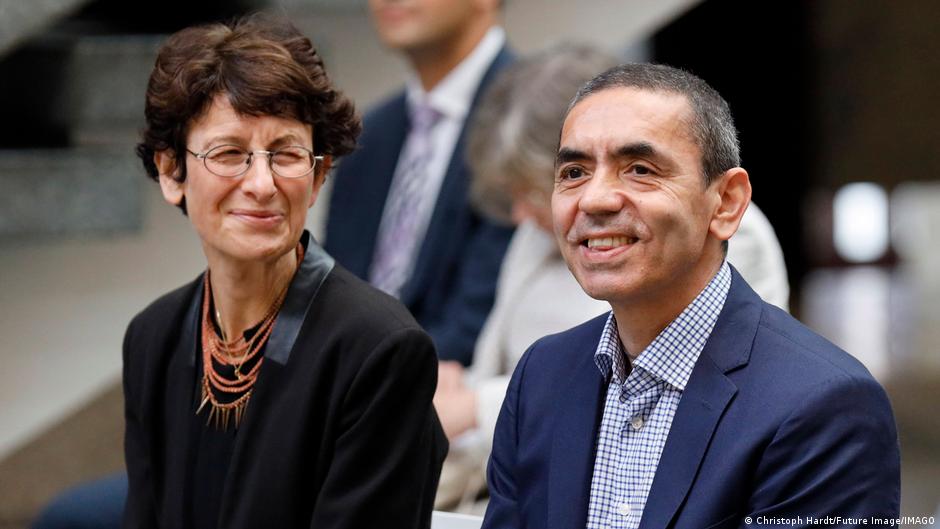
BioNTech founders step down to start new venture
German biotech pioneers Ugur Sahin and Özlem Türeci are set to transition from their current roles at BioNTech, aiming to launch an innovative enterprise. The duo, who co-founded the company in 2008, revealed their decision on Tuesday, stating they seek to “become pioneers once again” in the field of mRNA research. Their departure marks the end of their tenure at the firm by late 2026.
A legacy of groundbreaking work
The couple’s collaboration with Pfizer led to the creation of the first Western-approved mRNA-based vaccine against COVID-19, a milestone achieved in 2021. This development earned them significant recognition, including Germany’s top medical honor and the Order of Merit. “Our vision has always been to translate our science into meaningful advances for patients,” Sahin emphasized in a statement.
“Özlem and I are ready to become pioneers once again,” Sahin said in a statement on Tuesday.
The new venture will build on their expertise, focusing on expanding mRNA technology’s applications beyond infectious diseases. This approach could address conditions like influenza, malaria, and HIV. BioNTech will transfer some patent rights to the startup in return for a minority equity stake. The company’s chairman, Helmut Jeggle, expressed confidence in the partnership: “We look forward to working together with their new company on potential combination therapy approaches.”
Following the announcement, BioNTech’s stock price dropped by approximately 17%, reflecting market reactions to the leadership shift. This will be the couple’s third company, after Ganymed Pharmaceuticals (founded in 2001) and BioNTech. Their journey from early-stage research to global vaccine success underscores their ongoing commitment to medical innovation.
mRNA technology operates distinctively compared to conventional vaccines, offering a flexible platform for targeting diverse diseases. As they pursue this next phase, Sahin and Türeci aim to push boundaries in therapeutic development, leveraging their decades of experience in the field.
