
Golf equipment is already a multibillion-dollar market. AI could be about to supercharge it
Golf Equipment Market Surpasses $20 Billion as AI Revolution Begins
Golf equipment is already a multibillion – The golf equipment market has already crossed into the multibillion-dollar realm, with global demand surging due to rising participation and technological advancements. This growth is driven by a post-pandemic revival in the sport, attracting new players and reinvigorating traditional enthusiasts. By 2026, the market is projected to reach $20.9 billion, reflecting a 50% increase from 2023. Innovations like driving ranges and virtual simulators have expanded accessibility, encouraging casual players to invest in specialized gear. As AI continues to reshape industries, its integration into golf equipment promises to elevate the game further, offering unprecedented tools for performance and convenience.
The Role of AI in Modern Golf Technology
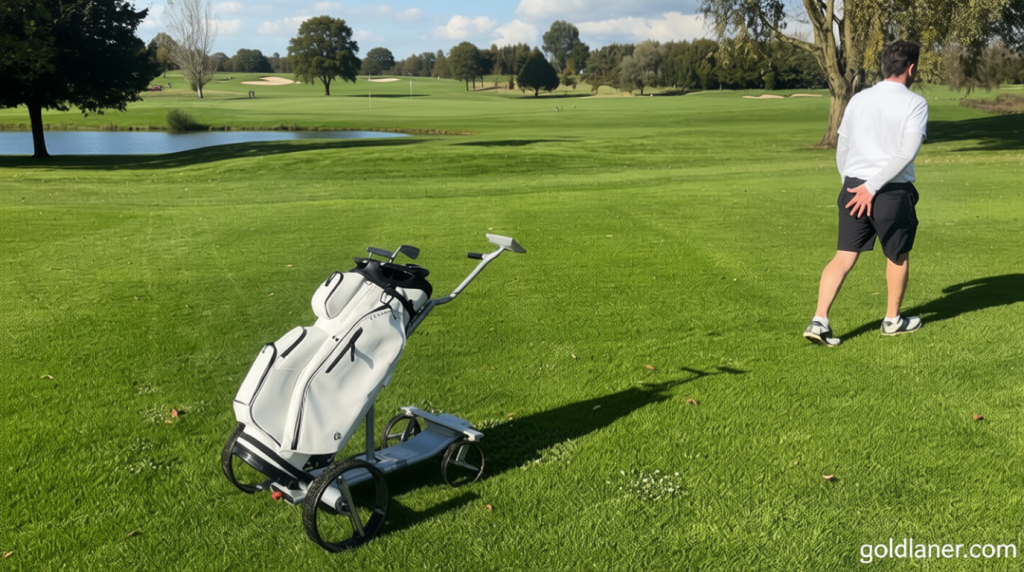
Artificial intelligence is rapidly transforming the golf equipment landscape, enabling smarter, more personalized solutions. From manufacturing to player analytics, AI-driven tools are streamlining processes and enhancing user experiences. For instance, machine learning algorithms now refine club designs by analyzing thousands of swings, optimizing performance for different player styles. Meanwhile, AI-powered devices like the iXi trolley from Botronics in Belgium are redefining the role of caddies, providing real-time feedback and navigation. These innovations highlight how AI is not just a trend but a catalyst for growth in the multibillion-dollar golf equipment market.
“Think of it as a computer with wheels, which not only is programmed to do amazing things but will also keep on evolving,” said Botronics’ chief revenue officer Laetitia Fraikin. “What is a caddy? It’s someone who is in the right place at the right time, someone who looks at what you do and gives you advice, someone who basically gives you everything that you need so you can get the most out of your game, so you can perform better, so you make better decisions … all those things are now possible to do on a physical golf trolley.”
Botronics: The iXi Trolley’s Breakthrough
Botronics, a startup based in Nivelles, Belgium, has developed the iXi trolley—a self-driving golf cart that functions as a digital caddie. This device uses two cameras and GPS systems to navigate over 40,000 courses autonomously, adapting to terrain and player needs. Its voice and gesture controls allow seamless interaction, while sensors detect when a putter is removed, signaling the user’s arrival at the green. The trolley’s AI then guides it toward the next tee, demonstrating its ability to anticipate actions. By offering frame-by-frame swing analysis and cloud-based data sharing, the iXi trolley exemplifies how AI is enhancing the multibillion-dollar golf equipment market with tools that blend innovation and practicality.
With a launch delayed to June 2027 after extensive testing, the iXi trolley has already generated over 125 preorders in its first 10 minutes of availability. Priced at $5,385, it represents a significant leap in golf technology, appealing to both casual and competitive players. Its success underscores the growing consumer appetite for AI-integrated solutions, which are redefining how equipment is used and experienced. As the multibillion-dollar market evolves, such innovations are setting the stage for a future where technology and golf are inseparable.
Expanding AI Applications Beyond the Trolley
Other companies are also leveraging AI to redefine the golf equipment industry. Callaway, a major manufacturer, has used machine learning since 2019 to develop clubs tailored to individual player data. Their Ai Smoke Irons, for example, combine aerodynamic design with AI-driven performance analysis. Similarly, Wilson’s Fit AI app allows users to upload swing data for personalized club recommendations, bridging the gap between tech and play. These examples show that AI is not just a tool for automation but a force that is reshaping the multibillion-dollar market through customization and precision.
As AI becomes more embedded in golf technology, its impact will likely extend beyond equipment design. From real-time analytics to automated course management, the integration of artificial intelligence is set to elevate the sport’s accessibility and efficiency. With demand for advanced tools on the rise, the multibillion-dollar market is primed for a new era of innovation, where AI’s potential is only beginning to unfold. The future of golf may hinge on how effectively these technologies meet the evolving needs of players worldwide.
