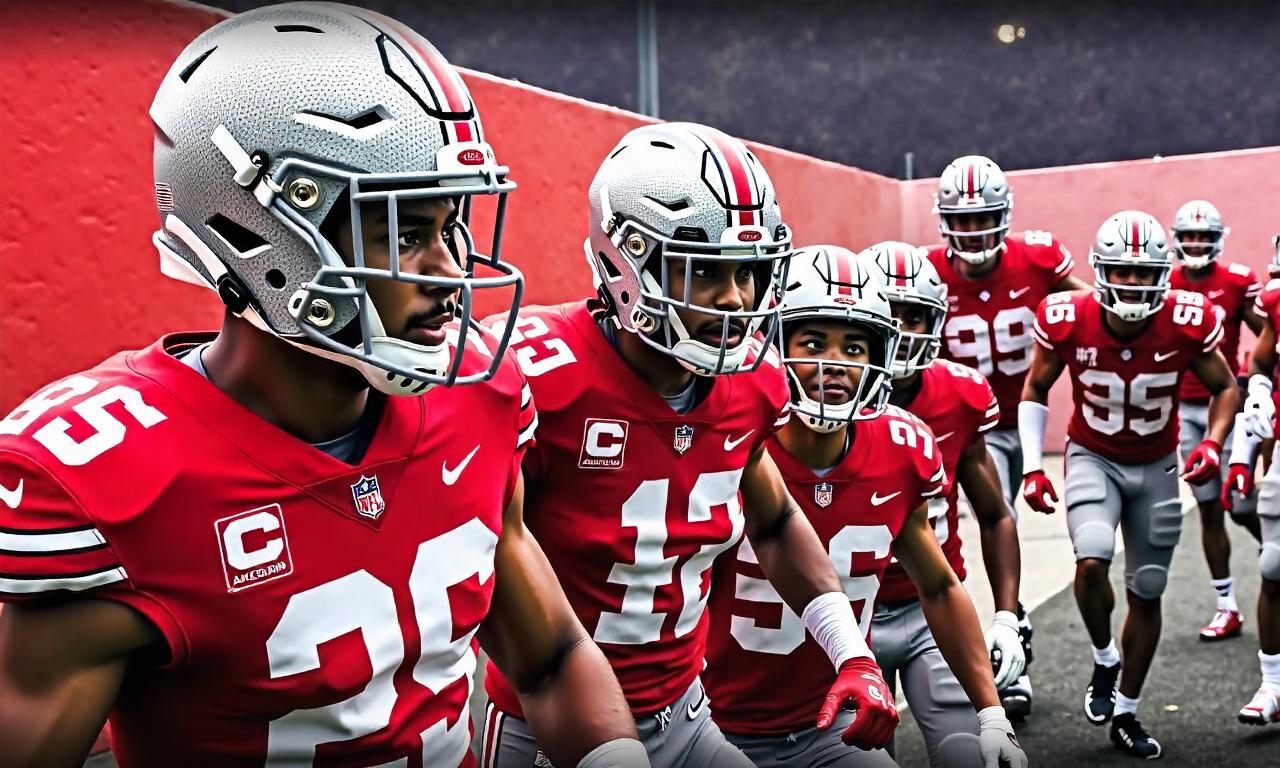
The world of sports is often defined by moments that capture the imagination of fans, whether it’s a thrilling college football showdown or an electrifying UFC event. This week, Ohio State Football made headlines by securing its place in the Big Ten Championship Game, while the UFC and Tigres – Cruz Azul matchup added another layer of excitement to the global sports calendar. These events, though distinct in their disciplines, reflect the universal appeal of competition and the passion it ignites in audiences. Let’s dive deeper into the stories behind these Ohio State Football, UFC, and Tigres – Cruz Azul moments. Ohio State Football’s Dominance in the Big Ten Championship Game The Ohio State Football team’s journey to the Big Ten Championship Game was nothing short of spectacular. As the defending champions, the Buckeyes entered the season with high expectations, but their path to the title was anything but guaranteed. The final showdown against Indiana was a testament to their resilience, as they overcame a formidable opponent to clinch the Big Ten crown. A Defining Moment for Ohio State Football In the Big Ten Championship Game, Ohio State Football faced off against Indiana, a team that had risen to prominence under coach Curt Cignetti. The game, held at Lucas Oil Stadium in Indianapolis, was a highly anticipated clash between two powerhouses. Despite being the No. 1 seed, Ohio State struggled to maintain their usual dominance, allowing Indiana to take control of the narrative. The turning point came in the final minutes when Ohio State Football’s kicker, Jayden Fielding, missed a critical 27-yard field goal attempt with 2:48 remaining. This error handed the ball to Indiana’s quarterback, Fernando Mendoza, who orchestrated a game-clinching drive. Mendoza’s 33-yard pass to Charlie Becker on third-and-6 was a masterclass in precision and composure. The play not only sealed Indiana’s 13-10 victory but also marked a historic moment for the Hoosiers, who secured their first Big Ten title since 1945. For Ohio State Football, the loss was a bitter pill to swallow, but it underscored the intensity of the competition. The game’s outcome highlighted how even the most dominant teams can be tested in high-stakes situations. Tactical Insights from the Ohio State Football Game The Ohio State Football team’s strategy in the championship game was a blend of aggressive offense and disciplined defense. However, their performance revealed some key areas for improvement. While the Buckeyes’ defense held strong for much of the game, their offensive line faced challenges in containing Indiana’s relentless rushing attack. The team’s ability to adapt quickly was evident in the final minutes, as they adjusted their game plan to limit Indiana’s scoring opportunities. Despite the loss, Ohio State Football demonstrated why they are one of the most storied programs in college football. Their experience and depth allowed them to remain competitive even when the game wasn’t going their way. The rivalry with Indiana has always been fierce, but this year’s contest took on an added layer of significance. For the Buckeyes, the loss to Indiana was a reminder that the road to greatness is paved with challenges, and that the Ohio State Football team remains a powerhouse in the Big Ten. The Impact of the Ohio State Football Victory While Ohio State Football fell short of the Big Ten title, their performance in the championship game left a lasting impression on fans and analysts alike. The game showcased the team’s ability to withstand pressure and deliver under the spotlight, qualities that will serve them well in future seasons. For Indiana, the victory was a milestone that redefined their program’s legacy. Their triumph over the No. 1 seed in the nation not only solidified their place in college football history but also set the stage for a potential College Football Playoff run. The Ohio State Football team’s journey through the Big Ten season was marked by close calls and hard-fought battles. Their resilience in the face of adversity highlighted the competitive nature of the league and the challenges that come with being a top-tier program. The game against Indiana was a culmination of their efforts, and though they didn’t walk away with the title, their performance will be remembered as a pivotal moment in the 2025 season. UFC 323: A Night of High-Octane Action and Championship Drama On the same night that Ohio State Football faced its biggest test of the year, the UFC delivered a night of action that kept fans on the edge of their seats. UFC 323, held at T-Mobile Arena in Las Vegas, featured a stacked main card with several high-profile bouts. The event was a showcase of skill, strategy, and heart, with fighters from around the world proving why the UFC remains the pinnacle of mixed martial arts. The Main Card Highlights The UFC main card was a highlight reel of technical prowess and explosive finishes. Among the standout performances was the highly anticipated rematch between Dvalishvili and Yan, which lived up to its billing. The fighters exchanged blows in a back-and-forth battle that demonstrated the high level of competition in the UFC. The bout, which ended with a decisive victory for Dvalishvili, was a masterclass in adaptability and endurance. Another memorable moment came from the middleweight division, where a dramatic submission finish showcased the finesse required to excel in the UFC. The event also featured a welterweight showdown that kept the crowd engaged throughout, with both fighters displaying exceptional technique and strategy. These bouts highlighted the UFC’s ability to deliver exciting, unpredictable action that resonates with fans globally. The Significance of the UFC Event The UFC 323 event was more than just a series of fights—it was a celebration of the sport’s growing popularity and the talent that continues to emerge within its ranks. The card featured a mix of veterans and rising stars, each bringing their unique style to the octagon. The UFC’s ability to attract top-tier talent and create compelling matchups ensures that fans have a reason to tune in, no matter the time
Cary Hiroyuki Tagawa on the FIFA World Cup Draw via Netflix Warner Bros
The FIFA World Cup, one of the most anticipated global sporting events, has always been a blend of passion, strategy, and drama. This year, the FIFA World Cup Draw has taken on an even more intriguing dimension with the involvement of Netflix Warner Bros, a partnership that has redefined how fans engage with the tournament. At the heart of this collaboration is Cary Hiroyuki Tagawa, whose unique presence has added a new layer to the excitement surrounding the draw. This article explores the significance of the FIFA World Cup Draw, the role of Netflix Warner Bros in modernizing the event, and how Cary Hiroyuki Tagawa has contributed to its global appeal. The FIFA World Cup Draw: A Critical Moment in the Tournament The FIFA World Cup Draw is more than just a random allocation of teams; it’s a pivotal event that shapes the entire competition. Held before the tournament begins, the draw determines the group stages, setting the stage for intense matchups and strategic group formations. This year’s draw, for instance, has been widely discussed due to its balance between competitive fairness and exciting potential for upsets. The Strategic Importance of Group Allocations The FIFA World Cup Draw is designed to ensure that teams from the same region are not grouped together, promoting a mix of regional and global competition. For example, in the 2022 edition, the draw placed Europe’s top teams into different pots, creating a more unpredictable tournament. This strategy not only enhances the excitement for fans but also challenges teams to adapt their strategies to unfamiliar opponents. Italics text emphasizes the role of the draw in creating narrative opportunities for underdog teams. The FIFA World Cup Draw often sparks debates among analysts, with discussions revolving around team strengths, historical rivalries, and the likelihood of group stage upsets. The Evolution of the Draw Process In recent years, the FIFA World Cup Draw has evolved from a simple ceremonial event to a highly strategic process. The introduction of Netflix Warner Bros as a media partner has brought innovative ways to present the draw. For instance, the 2022 draw was broadcast with real-time analysis, interactive maps, and dynamic visuals that highlighted the significance of each match. This integration of technology has transformed the FIFA World Cup Draw into a global spectacle, attracting viewers who might not have previously engaged with the tournament. The collaboration between Netflix Warner Bros and FIFA has ensured that the draw is not only informative but also entertaining, setting the tone for the entire competition. Netflix Warner Bros: Redefining Football Coverage The partnership between Netflix Warner Bros has brought a fresh perspective to football coverage, especially during the FIFA World Cup Draw. By leveraging their combined resources, these two giants have created a platform that offers fans a more immersive and engaging experience. The Power of Streaming Platforms in Sports Netflix Warner Bros has revolutionized the way sports events are consumed by audiences. Unlike traditional broadcast models, streaming platforms provide on-demand access, personalized viewing options, and global reach. For the FIFA World Cup Draw, this means fans can watch the event in real-time or revisit it later, ensuring that no one misses the excitement. The integration of Netflix Warner Bros into football coverage has also allowed for deeper storytelling. For example, during the draw, the platform showcased behind-the-scenes footage of the preparation process, interviews with officials, and insights from players. This approach not only educates fans but also builds anticipation for the upcoming matches. Innovative Content for the FIFA World Cup Draw The FIFA World Cup Draw has been accompanied by exclusive content produced by Netflix Warner Bros. This includes documentaries, commentary series, and even interactive features that let users explore the history of the draw. For instance, one popular feature was a virtual simulation of the draw, where fans could predict group pairings based on team strengths and historical data. This kind of content has helped to demystify the FIFA World Cup Draw for younger audiences, making it more accessible and engaging. The partnership has also enabled FIFA to reach new demographics, as Netflix Warner Bros taps into the growing trend of digital-first consumption. Cary Hiroyuki Tagawa: A Unique Voice in the FIFA World Cup Draw As a prominent figure in both entertainment and sports commentary, Cary Hiroyuki Tagawa has brought a unique perspective to the FIFA World Cup Draw. His involvement highlights the crossover between pop culture and football, appealing to fans who enjoy both. The Intersection of Pop Culture and Sports Cary Hiroyuki Tagawa is best known for his role as Chris Pine’s character, James T. Kirk, in the Star Trek franchise. However, his expertise extends beyond acting; he has also ventured into sports commentary and media production. This year, his participation in the FIFA World Cup Draw via Netflix Warner Bros has bridged the gap between his acting career and his passion for football. Italics text illustrates how his presence has made the FIFA World Cup Draw more relatable. By bringing in a celebrity with a global fanbase, the event has gained additional traction, especially among audiences who follow both football and entertainment. The Impact of Cary Hiroyuki Tagawa on Fan Engagement The inclusion of Cary Hiroyuki Tagawa in the FIFA World Cup Draw has had a noticeable impact on fan engagement. His charismatic personality and ability to connect with diverse audiences have made the event more appealing. For example, during the draw, he provided insights into the strategic aspects of group formations, blending humor with analysis to keep viewers entertained. This approach has not only increased the visibility of the FIFA World Cup Draw but also encouraged fans to engage with the event in new ways. By incorporating Cary Hiroyuki Tagawa into the narrative, the partnership between Netflix Warner Bros and FIFA has created a more dynamic and interactive experience for sports enthusiasts. The Future of the FIFA World Cup Draw with Netflix Warner Bros As the FIFA World Cup Draw continues to evolve, the role of Netflix Warner Bros
Cary Hiroyuki Tagawa and Netflix/Warner Bros FIFA World Cup Draw
The FIFA World Cup Draw has long been a pivotal moment in the global football calendar, setting the stage for one of the most anticipated events in sports. Every four years, the tournament’s teams are matched in a way that shapes the competition’s dynamics, influencing strategies, fan excitement, and media coverage. In recent years, the collaboration between Netflix Warner Bros has brought a new dimension to the event, blending entertainment with sports storytelling. One of the key figures in this partnership is Cary Hiroyuki Tagawa, whose role as a cultural ambassador has amplified the visibility of the FIFA World Cup Draw and its associated media. This article explores how the FIFA World Cup Draw has evolved, the role of Netflix Warner Bros in modernizing its presentation, and the contribution of Cary Hiroyuki Tagawa to its global appeal. The Significance of the FIFA World Cup Draw The FIFA World Cup Draw is more than just a random assignment of teams; it is a strategic and symbolic event that defines the structure of the tournament. Held before the competition begins, the draw determines the matchups in the group stage, creating a web of potential rivalries and alliances. This process is crucial because it sets the tone for the entire tournament, with teams aiming to avoid strong opponents in the early rounds while securing favorable group placements. For fans, the FIFA World Cup Draw is a moment of high anticipation. The excitement builds as teams from different regions are paired, often sparking debates about the fairness of the matchups. For example, the draw has historically created memorable clashes, such as when teams from Europe and South America are grouped together, or when underdog nations face powerhouses. These matchups can significantly impact the narrative of the tournament, as fans and analysts speculate on how teams will adapt to their challenges. The draw also plays a vital role in shaping the FIFA World Cup‘s commercial and media landscape. With the growing influence of streaming platforms like Netflix Warner Bros, the way the draw is presented has become more engaging. In the past, the draw was a straightforward event, but now it is often accompanied by documentaries, behind-the-scenes content, and promotional campaigns that highlight the excitement of the matchups. This shift has transformed the FIFA World Cup Draw into a global spectacle, drawing attention from fans and media alike. The Role of Netflix Warner Bros in the FIFA World Cup Experience The partnership between Netflix Warner Bros has revolutionized how football fans engage with the FIFA World Cup. While traditional broadcast networks have long dominated the event, streaming platforms have introduced new formats that cater to a younger, more tech-savvy audience. Netflix Warner Bros has taken on the responsibility of producing exclusive content that complements the FIFA World Cup Draw and enhances the overall viewing experience. One of the standout contributions of Netflix Warner Bros is their ability to create immersive narratives around the tournament. By producing documentaries, interviews, and behind-the-scenes footage, they have brought the human stories behind the FIFA World Cup Draw to the forefront. For instance, their coverage often delves into the preparation of teams, the challenges of the draw, and the emotional journeys of players. This approach not only educates fans but also deepens their connection to the event. Moreover, Netflix Warner Bros has leveraged technology to provide real-time updates and interactive features. Fans can now access live streams, analysis tools, and even virtual reality experiences that simulate the excitement of the FIFA World Cup Draw. These innovations have made the event more accessible, especially to those in regions with limited traditional broadcast access. As a result, the FIFA World Cup Draw is no longer confined to a single day but has become a continuous conversation that spans weeks and even months. Cary Hiroyuki Tagawa: A Cultural Ambassador for the FIFA World Cup Cary Hiroyuki Tagawa has emerged as a unique figure in the promotion of the FIFA World Cup. As a Japanese-American actor known for his role as Detective Nick Chen in the TV series Blue Bloods, he has used his platform to connect with diverse audiences. His involvement with the FIFA World Cup Draw has been particularly noteworthy, as he has participated in promotional campaigns that highlight the cultural and emotional significance of the tournament. Cary Hiroyuki Tagawa’s role in the FIFA World Cup is not just symbolic; it is a strategic effort to bridge the gap between football and entertainment. His participation in events like the FIFA World Cup Draw has allowed him to reach a broader demographic, particularly in Asia and the United States, where his popularity as an actor ensures a wide audience. For example, during the 2022 World Cup, Cary Hiroyuki Tagawa was featured in a series of videos that explained the intricacies of the FIFA World Cup Draw, making it more relatable to fans. In addition to his media appearances, Cary Hiroyuki Tagawa has also used social media to engage with football enthusiasts. By sharing personal insights and experiences, he has created a more personal connection with viewers, which is essential in today’s digital age. This approach has not only increased the visibility of the FIFA World Cup Draw but has also positioned Cary Hiroyuki Tagawa as a cultural ambassador for the sport. The Synergy Between Netflix Warner Bros and Cary Hiroyuki Tagawa The collaboration between Netflix Warner Bros and Cary Hiroyuki Tagawa has created a unique synergy that enhances the FIFA World Cup Draw experience. Netflix Warner Bros has recognized the importance of Cary Hiroyuki Tagawa’s global reach and has integrated him into their promotional efforts. This partnership allows the FIFA World Cup Draw to be presented in a way that is both informative and entertaining, appealing to a wide range of viewers. For instance, Netflix Warner Bros has developed content that features Cary Hiroyuki Tagawa explaining the significance of the FIFA World Cup Draw to fans. These videos often include interviews with players, analysts, and even Cary Hiroyuki Tagawa himself, providing a
Cary Hiroyuki Tagawa’s Role in Netflix’s FIFA World Cup Draw Coverage by Warner
The FIFA World Cup is one of the most anticipated global sporting events, drawing millions of fans worldwide. As the tournament approaches, the FIFA World Cup Draw becomes a pivotal moment that shapes the narrative of the competition. In recent years, Netflix Warner Bros has emerged as a key player in delivering high-quality sports coverage, and Cary Hiroyuki Tagawa has played a significant role in enhancing the viewer experience. This article explores how Cary Hiroyuki Tagawa contributed to Netflix Warner Bros’ coverage of the FIFA World Cup Draw, highlighting his unique position in the media landscape and the impact of his work on audience engagement. The Significance of the FIFA World Cup Draw The FIFA World Cup Draw is not just a routine event; it’s a dramatic spectacle that sets the stage for the world’s most thrilling competition. Teams are randomly assigned to groups, and the outcome of this draw can have profound implications for their campaign. For fans, the draw represents the first glimpse into the tactical and strategic battles that will unfold over the next month. The excitement of seeing top-tier teams paired with potential rivals or underdogs creates a sense of anticipation that builds momentum for the entire tournament. In the context of the FIFA World Cup Draw, media coverage plays a critical role in translating this event into a global phenomenon. Broadcasters and streaming platforms like Netflix Warner Bros have a responsibility to make this process engaging and informative. The draw is often presented with live commentary, expert analysis, and visual storytelling to ensure viewers remain captivated. This approach is particularly important in an era where sports audiences demand more than just highlights—they want context, insights, and a deeper connection to the event. The FIFA World Cup Draw also serves as a platform for emerging talent and established stars alike. It’s a moment where underdog teams might find themselves in a group with powerhouse nations, creating intriguing narratives for fans. For instance, the 2022 World Cup draw saw teams like Morocco and Spain placed in the same group, sparking discussions about their potential matchups. Such scenarios underscore the importance of a well-executed media strategy to highlight the strategic and emotional stakes of the draw. Cary Hiroyuki Tagawa: A Voice of Authority Cary Hiroyuki Tagawa has become a recognizable figure in the world of sports broadcasting, particularly in FIFA World Cup Draw coverage. Known for his smooth, articulate narration and deep understanding of football (soccer), Tagawa brings a unique blend of expertise and charisma to the screen. His work with Netflix Warner Bros has elevated the way audiences experience this critical event, offering a fresh perspective that combines entertainment with informative content. One of the key aspects of Tagawa’s role is his ability to narrate the FIFA World Cup Draw in a manner that is both engaging and insightful. He doesn’t merely read the matchups—he contextualizes them, providing fans with a sense of the potential challenges and opportunities each team faces. For example, during the 2022 draw, his commentary highlighted the strategic implications of group pairings, helping viewers grasp the significance of the matchups even if they weren’t familiar with the teams involved. In addition to his narration, Tagawa’s presence adds a layer of cultural relevance to the coverage. As a Japanese-American actor and voice actor, he bridges the gap between different footballing cultures, making the FIFA World Cup Draw accessible to a global audience. His voice work, which includes narrating Dragon Ball series and other international sports events, ensures that the FIFA World Cup Draw is presented with a professional and polished tone. The Strategic Partnership Between Netflix Warner Bros and FIFA The collaboration between Netflix Warner Bros and FIFA to cover the FIFA World Cup Draw represents a strategic partnership that combines cutting-edge technology with traditional sports broadcasting. This partnership allows for a more immersive and interactive viewing experience, leveraging Netflix Warner Bros’ global reach to bring the event to fans in over 190 countries. By integrating live commentary, real-time analysis, and visual storytelling, the coverage ensures that even the most casual fans can grasp the nuances of the draw. Warner Bros, with its legacy in producing high-quality sports documentaries and live events, has brought a level of professionalism to the FIFA World Cup Draw that aligns with FIFA’s global brand. Meanwhile, Netflix Warner Bros has utilized its streaming platform to offer on-demand access, allowing fans to revisit key moments of the draw long after it has aired. This model has proven successful in maintaining viewer interest throughout the tournament, as fans can engage with the content at their convenience. The partnership also extends to the use of advanced graphics and data visualization. These tools help break down the FIFA World Cup Draw into digestible information, such as group strength analysis, geographical proximity, and historical performance trends. Such features are especially valuable for fans who want to understand the strategic importance of each pairing, making the coverage both educational and entertaining. Cary Hiroyuki Tagawa’s Contribution to Audience Engagement Cary Hiroyuki Tagawa’s role in Netflix Warner Bros’ coverage of the FIFA World Cup Draw is multifaceted. His narration not only guides viewers through the event but also enhances their emotional connection to the teams involved. For instance, his ability to convey the tension of a last-minute draw or the excitement of a high-profile matchup helps fans feel as if they are part of the moment. Tagawa’s work is particularly notable for its cultural nuance. He often incorporates elements of humor and personality into his commentary, which keeps the tone light while still maintaining the event’s gravity. This balance is crucial in ensuring that the FIFA World Cup Draw remains a compelling spectacle rather than a dry administrative process. For example, during the 2022 draw, his playful yet professional tone helped maintain viewer engagement even during the less dramatic moments of the event. Another key aspect of Tagawa’s contribution is his ability to adapt to the needs of a global audience. As a bilingual narrator, he
Brian Cole and Steve Cropper Analyze Man United vs West Ham Clash
The highly anticipated Man United vs West Ham match has once again captured the attention of football fans worldwide, promising a thrilling encounter between two teams with contrasting styles and ambitions. As the Premier League enters a critical phase, the Brian Cole and Steve Cropper duo steps in to dissect the tactical nuances and key moments that could shape the outcome of the clash. With their combined expertise, these analysts offer a comprehensive breakdown of the teams’ strategies, player dynamics, and potential turning points. This article explores their insights in depth, providing readers with a well-rounded perspective on the Man United vs West Ham showdown. Context and Significance of the Match The Premier League Rivalry The Man United vs West Ham match is more than just a game; it is a test of two distinct philosophies in modern football. Manchester United, one of the oldest and most storied clubs in the world, brings a legacy of attacking flair and a rich history of success to the table. In contrast, West Ham United represents a more pragmatic and structured approach, blending efficiency with flair in their gameplay. The Brian Cole and Steve Cropper analysis begins by examining the historical context of this rivalry, highlighting how both teams have evolved over the years. The match is expected to be a hard-fought affair, with both sides eager to prove their dominance in the league. While Manchester United has often relied on star players like Erling Haaland and Jude Bellingham to dictate the game, West Ham has built their identity around disciplined defense and high-intensity pressing. This contrast creates an intriguing narrative for the Man United vs West Ham clash, where possession, set pieces, and counter-attacks will likely play pivotal roles. Recent Form and Head-to-Head Stats In the current Premier League season, Manchester United has shown signs of resurgence under their new manager, with a 3-1 victory over Liverpool in the previous round fueling optimism. On the other hand, West Ham has been inconsistent, managing only two wins in their last five matches. Brian Cole notes that United’s ability to adapt their formation has been a key factor in their recent success, while Steve Cropper emphasizes the importance of West Ham’s defensive resilience, particularly in home games. The <strong>Man United vs West Ham</strong> match will be a test of both teams’ ability to maintain consistency under pressure. Historical data reveals that United has a slight edge in head-to-head encounters, with a record of 18 wins and 12 draws against West Ham since 1994. However, the recent trend shows that West Ham has managed to secure a few decisive victories, which could influence the analysts’ outlook on this particular encounter. Brian Cole’s Tactical Analysis Team Dynamics and Formation Flexibility Brian Cole highlights the importance of Manchester United’s ability to switch formations seamlessly, a strategy that has been crucial in their recent performances. He explains that the Red Devils have moved away from the traditional 4-2-3-1 setup, opting for a 4-3-3 or 3-5-2 system depending on the opponent. This adaptability allows United to exploit weaknesses in West Ham’s defense, particularly when facing a high-pressing system. Cole also points out the role of Jude Bellingham as a central midfielder, whose vision and distribution have transformed the team’s midfield. Bellingham’s presence has given United a creative spark, enabling them to control the tempo of the game. Meanwhile, West Ham’s midfield trio of Declan Rice, Jarrod Bowen, and Michail Antonio has been instrumental in their attacking transitions, though their lack of a traditional playmaker may be a vulnerability in this match. In-Game Strategies and Set Pieces According to Brian Cole, the Man United vs West Ham match will likely hinge on set pieces, where United’s physicality and precision can create scoring opportunities. He predicts that United’s aerial threat, especially from Harry Maguire and Raphael Varane, will be a key weapon in the air duel. Additionally, Cole stresses the importance of United’s wing-backs, who have been critical in stretching the defense and providing width. West Ham’s set-piece strategy, on the other hand, will rely on their forwards’ ability to anticipate and capitalize on crosses. Steve Cropper agrees, noting that the Hammers have a strong record in dead-ball situations, with their forwards often outsmarting defenders. However, he warns that West Ham’s midfield may struggle to maintain control if United’s high press is effective. Player Roles and Tactical Adjustments Brian Cole identifies the potential impact of Erling Haaland as a central attacking threat, capable of breaking down defenses with his physicality and clinical finishing. He argues that Haaland’s movement will be essential for United to create space for the supporting forwards. Meanwhile, Steve Cropper suggests that West Ham’s captain, Declan Rice, will need to anchor the midfield and prevent United’s attacking trio from overwhelming them. The <strong>Man United vs West Ham</strong> clash could also see a shift in defensive responsibilities, with both teams likely to prioritize containing the opponent’s strongest assets. Cole and Cropper both agree that the outcome will depend on how effectively each team can neutralize the other’s key players. Steve Cropper’s Strategic Insights Defensive Strengths and Counter-Attacking Potential Steve Cropper emphasizes West Ham’s defensive solidity as a major strength, particularly their ability to organize quickly and transition from defense to attack. He points to the Hammers’ compact shape and disciplined positioning as assets that could frustrate United’s high press. However, Cropper also acknowledges that West Ham’s lack of a traditional striker may limit their effectiveness in the final third, making it crucial for them to exploit United’s defensive lapses. Cropper’s analysis suggests that West Ham’s counter-attacking play will be a decisive factor if they can cut through United’s midfield. The Hammers have shown a knack for quick transitions, with their forwards often arriving in the box before United’s defenders. This tactical flexibility could be the difference in the Man United vs West Ham match, especially if the game remains tight in the first half. Midfield Dominance and Possession The <strong>Man United vs West Ham</strong> match will also be
Brian Cole & Steve Cropper Analyze Man United vs West Ham Clash
The Man United vs West Ham match is one of the most anticipated fixtures in the Premier League, drawing immense attention from fans and analysts alike. With both teams vying for crucial points in a highly competitive season, this clash promises to be a tactical battle of wills. In this article, we delve into the insights provided by renowned football analysts Brian Cole and Steve Cropper, who break down the key factors that could determine the outcome of the Man United vs West Ham encounter. From historical context to on-field strategies, their expertise offers a comprehensive view of what to expect from this high-stakes game. The Significance of the Man United vs West Ham Match The Man United vs West Ham rivalry is more than just a football match—it’s a testament to the rich history and fierce competition that defines the Premier League. Manchester United, one of the most storied clubs in English football, has long been a powerhouse in the league, while West Ham United, though less dominant in recent years, has shown resilience and ambition in their quest for promotion or a strong finish in the table. This encounter is not only a test of skill and strategy but also a reflection of both teams’ positions in the current season. For Brian Cole and Steve Cropper, the Man United vs West Ham match represents an opportunity to dissect the tactical nuances that could tip the balance in favor of one team. Cole, known for his in-depth analysis of team dynamics and player roles, emphasizes the importance of Man United’s attacking prowess and West Ham’s defensive solidity. Meanwhile, Cropper, with his focus on in-game decision-making, highlights how the match could showcase the adaptability of both sides. The Man United vs West Ham game is typically played in the early part of the season, often during the opening weeks of the Premier League. This timing is critical as it sets the tone for the rest of the campaign. Both teams enter the match with their own aspirations: Man United aims to establish dominance, while West Ham seeks to prove their mettle against a top-tier opponent. Historical Context and Recent Form Looking back at past encounters between Man United and West Ham United, the Man United vs West Ham rivalry has been marked by close, hard-fought matches. In recent years, Man United has maintained a slight edge, often leveraging their squad depth and experience to secure vital wins. However, West Ham has shown flashes of brilliance, particularly in their home games, where they have demonstrated a strong defensive organization and tactical discipline. Brian Cole notes that Man United’s consistency in key moments is one of their defining strengths. The team’s ability to capitalize on set-pieces and maintain high pressing intensity has been a game-changer in recent seasons. On the other hand, Steve Cropper points out that West Ham’s recent form has been more erratic, with occasional lapses in concentration that could cost them dearly. This unpredictability makes the Man United vs West Ham clash particularly intriguing, as it could highlight the differences in mental resilience and tactical execution. The Man United vs West Ham match is often a showcase of contrasting styles. While Man United tends to play a more fluid, attacking game, West Ham often adopts a pragmatic approach, focusing on defensive stability and counterattacks. Cole and Cropper agree that this duality creates a unique atmosphere in the stadium, where both teams are forced to adapt to each other’s strategies. Tactical Analysis of the Man United vs West Ham Game The Man United vs West Ham match is a masterclass in tactical flexibility, as both teams have demonstrated the ability to switch strategies mid-game. Brian Cole and Steve Cropper analyze the potential formations and in-game adjustments that could influence the outcome of the clash. Formation and Positioning One of the key aspects of the Man United vs West Ham game is the choice of formations. Man United typically favors a 4-2-3-1 setup, allowing for a balanced attack and defense. This formation enables the team to maintain possession while creating overloads in the final third. Cole explains that this system is particularly effective against teams that struggle to transition quickly from defense to attack. West Ham, conversely, often employs a 4-4-2 or 4-5-1 formation, depending on the opponent. Their focus on a compact midfield and strong defensive line has been a hallmark of their recent performances. Cropper highlights that this formation allows West Ham to neutralize Man United’s width while maintaining a solid block in the center. However, the Man United vs West Ham match might see West Ham shift to a more offensive stance if they are able to exploit the spaces in Man United’s defense. Set-Piece Strategies Set-pieces are a critical component in the Man United vs West Ham clash, as both teams have a history of scoring from these situations. Man United’s record from corners and free-kicks is impressive, thanks to their ability to create overlapping runs and execute precise crosses. Cole points out that the team’s players like Marcus Rashford and Bruno Fernandes have been instrumental in converting set-pieces into goals. West Ham, on the other hand, relies on their strong aerial threat and disciplined set-piece routines. Their players, such as Abdul Razak Ahmed and André Ayew, have shown the ability to read the game and score from corners. Cropper argues that the Man United vs West Ham match could be a test of which team executes their set-piece strategy more effectively, as these moments often decide the winner of tight games. Midfield Control and Defensive Organization The Man United vs West Ham game is expected to hinge on midfield control. Man United’s midfield trio, led by Fred and Nemanja Matic, has been pivotal in maintaining possession and breaking down opposition defenses. Cole emphasizes that their ability to dictate the tempo of the game will be crucial, especially if Man United can reduce the number of chances West Ham can generate. West Ham’s midfield has been
Brian Cole and Steve Cropper Analyze Man United vs West Ham Clash
The eagerly anticipated Man United vs West Ham clash is more than just a football match—it’s a strategic battle of tactics, player performance, and managerial intent. As one of the most high-stakes encounters in the Premier League, this game has drawn significant attention from fans, analysts, and pundits alike. Among the most respected voices in the football world are Brian Cole and Steve Cropper, two seasoned experts who have dissected the dynamics of this rivalry with precision. Their insights provide a deeper understanding of the teams’ strengths, weaknesses, and the potential outcomes of the match. This article explores the Man United vs West Ham showdown through the lens of these two analysts, offering a comprehensive breakdown of the key factors that will shape the game. The Historical Context of the Match The Man United vs West Ham rivalry has roots that trace back to the early days of the Premier League, with both clubs sharing a rich history of competition. Brian Cole, a veteran football analyst, notes that the fixture has often been a testing ground for teams vying for European qualification or a top-four finish. Historically, Man United has dominated the rivalry, particularly under Sir Alex Ferguson, but West Ham has consistently shown resilience, especially in recent years. The Competitive Landscape The Man United vs West Ham clash is a testament to the league’s unpredictability. While Man United has traditionally been a powerhouse, West Ham has emerged as a formidable challenger in the 21st century. Steve Cropper, a well-known tactical commentator, highlights that the teams’ contrasting styles—Man United’s attacking flair versus West Ham’s organized defense—create a unique challenge. For instance, Man United’s reliance on quick transitions and high-intensity play often clashes with West Ham’s counter-pressing and compact shape. Recent Form and Rivalry Momentum In the current season, both teams have shown different trajectories. Man United has been in a strong position to secure a top-four spot, while West Ham has fought for survival in the middle of the table. Brian Cole points out that the Man United vs West Ham game could serve as a turning point for either side. If Man United wins, it might solidify their position in the title race, whereas a West Ham victory could boost their confidence and push them closer to the play-off spots. Italics: West Ham’s ability to adapt their tactics has made them a consistent threat, even against elite sides. Tactical Strategies and Set Pieces Tactics play a crucial role in determining the outcome of the Man United vs West Ham match. Both teams have distinct approaches that will be tested on the day of the game. Steve Cropper emphasizes that analyzing the Man United vs West Ham matchup requires a close look at how each side plans to exploit their opponents’ weaknesses, particularly through set pieces. Offensive Tactics: Man United’s Playmaker Man United’s attacking strategy under Erik ten Hag has focused on fluid movement and high pressing. Brian Cole explains that the team’s reliance on players like Bruno Fernandes and Alejandro Garnacho means they will look to control the tempo and create scoring opportunities through quick combinations. However, West Ham’s defensive setup, anchored by Declan Rice and Aaron Cresswell, could pose a challenge. Italics: The <strong>Man United vs West Ham</strong> game might see <strong>Man United</strong>’s midfielders attempting to break through the Hammers’ solid defensive line. Defensive Tactics: West Ham’s Counter-Press On the flip side, West Ham has adopted a more aggressive defensive approach, leveraging their pace and physicality. Steve Cropper suggests that the team will use counter-pressing to disrupt Man United’s buildup and capitalize on turnovers. This strategy has proven effective in matches against high-flying opponents, but it may face scrutiny in the Man United vs West Ham context if the Red Devils manage to maintain possession. Italics: The Hammers’ focus on counter-attacks could be their key weapon against a side that thrives on possession. Set Pieces: A Tactical Battle Set pieces are often the deciding factor in tight matches, and the Man United vs West Ham game is no exception. Brian Cole highlights that Man United has a strong record from corners and free kicks, with players like Jesse Lingard and Mason Greenwood known for their set-piece expertise. Meanwhile, West Ham has relied on their tall center-backs to create danger from set pieces, but their lack of firepower in the final third may limit their options. Italics: The <strong>Man United vs West Ham</strong> clash will require both teams to execute their set-piece strategies flawlessly. Key Players and Their Roles The performance of individual players can make or break a match, and the Man United vs West Ham game is no different. Steve Cropper and Brian Cole both agree that the outcome will hinge on the form and fitness of key players from both sides. Man United’s Attack: The Responsibility of the Strikers Man United’s attacking trio, led by Erling Haaland and Jadon Sancho, will need to deliver under pressure. Brian Cole argues that Haaland’s ability to hold up play and draw defenders will be crucial in creating space for the likes of Marcus Rashford and Antony. However, the team’s reliance on these strikers may leave them vulnerable if their midfield struggles to generate consistent chances. Italics: The <strong>Man United vs West Ham</strong> match could be a test of Haaland’s finishing and Sancho’s crossing ability. West Ham’s Defense: The Importance of Midfield Control For West Ham, the midfield will be the backbone of their strategy. Declan Rice, the team’s captain, is expected to dictate the game with his composure and passing range. Steve Cropper notes that Rice’s leadership and tactical awareness will be vital in neutralizing Man United’s pacey wingers. Additionally, the team’s defensive line, including Aaron Cresswell and James Ward-Prowse, must remain disciplined to stifle the Red Devils’ attack. Italics: The <strong>Man United vs West Ham</strong> game will require the Hammers to balance their defensive solidity with attacking ambition. The Role of the Goalkeepers Goalkeepers often play a pivotal role in high-stakes matches, and the Man United vs
Beginner-Friendly Tech Tutorial: Step-by-Step Guide for Newcomers
Technology can feel overwhelming at first, especially for those new to the field. Whether you’re diving into coding, learning how to use a smartphone, or exploring the basics of digital marketing, the beginner-friendly tech tutorial steps can make all the difference in helping you build confidence and progress smoothly. This article serves as a comprehensive guide to breaking down the beginner-friendly tech tutorial steps, ensuring that even those with no prior experience can navigate the world of technology with ease. By following these structured instructions, newcomers can avoid common pitfalls and develop a solid foundation for future learning. What Is a Beginner-Friendly Tech Tutorial? A beginner-friendly tech tutorial steps is a learning process designed to introduce individuals to technology without overwhelming them with complex jargon or advanced concepts. These tutorials are structured in a way that breaks down information into manageable parts, allowing learners to grasp each step before moving on to the next. The goal is to make technology accessible to everyone, regardless of their background or level of experience. For newcomers, the key to success lies in beginner-friendly tech tutorial steps that are clear, concise, and easy to follow. This means avoiding unnecessary technical details until later stages of learning and focusing on practical applications. A well-designed beginner tutorial might start with the basics of using a computer or smartphone, then progress to more complex topics like programming or digital tools. The importance of beginner-friendly tech tutorial steps cannot be overstated, as they provide a safe and supportive environment for learners to build their skills step by step. How to Create a Beginner-Friendly Tech Tutorial Creating a beginner-friendly tech tutorial steps requires careful planning and attention to detail. Here are the key elements to consider when designing a tutorial for newcomers: Step 1: Choose the Right Topic The first and most crucial step in creating a beginner-friendly tech tutorial steps is selecting a topic that is both relevant and approachable. For example, if you’re targeting beginners, starting with a topic like learning to use a basic software tool or understanding the fundamentals of computer networking might be more effective than jumping into advanced programming. When choosing a topic, consider the beginner-friendly tech tutorial steps that align with the learner’s goals. If they’re interested in coding, begin with simple concepts like writing your first “Hello, World!” program in Python. If they’re looking to improve digital literacy, focus on steps like navigating the internet or managing files on a computer. By tailoring the tutorial to the learner’s interests and needs, you can increase engagement and ensure that each beginner-friendly tech tutorial steps is meaningful. Step 2: Structure the Tutorial in a Logical Sequence Once the topic is selected, the next step is to organize the content in a logical sequence. This means dividing the beginner-friendly tech tutorial steps into smaller, digestible segments. For example, if the tutorial is about learning to use Google Drive, the steps might start with creating an account, then moving to uploading files, organizing folders, and finally collaborating on documents. A clear structure helps beginners follow along without getting lost. Each beginner-friendly tech tutorial steps should build on the previous one, reinforcing key concepts and gradually introducing more complexity. It’s also important to include visual aids, such as screenshots or diagrams, to complement the written instructions and make the process more intuitive. Step 3: Use Simple Language and Avoid Overcomplication One of the hallmarks of a beginner-friendly tech tutorial steps is the use of simple language. Avoid technical terms that might confuse new learners and explain concepts in plain, everyday words. For instance, instead of saying “initialize a variable,” you could say “create a space to store information temporarily.” Additionally, keep explanations short and to the point. Newcomers often struggle with long paragraphs, so breaking down instructions into bullet points or numbered lists can make the content more accessible. If you need to explain a complex idea, do so in a way that relates to real-world examples or analogies. This approach ensures that the beginner-friendly tech tutorial steps are not only easy to understand but also engaging. Step 4: Include Practical Exercises and Real-World Applications A beginner-friendly tech tutorial steps should encourage hands-on practice. While theoretical knowledge is important, applying what you’ve learned through exercises or projects reinforces understanding. For example, after explaining how to create a basic website using HTML, include a step-by-step guide to building a simple webpage that showcases the learner’s skills. Practical exercises also help beginners see the value of their learning. Whether it’s setting up a social media account, creating a digital portfolio, or learning basic coding syntax, real-world applications make the beginner-friendly tech tutorial steps more relevant. By incorporating activities that mirror everyday tasks, learners can build confidence and feel motivated to continue exploring technology. Tools and Resources for Beginner-Friendly Tech Tutorials Having the right tools and resources is essential for creating an effective beginner-friendly tech tutorial steps. These can include software, apps, or online platforms that simplify the learning process and provide support for newcomers. Free Software for Beginners Several beginner-friendly tech tutorial steps are made possible by free software that is user-friendly and intuitive. For instance, Notepad++ is a powerful text editor that allows users to write and edit code without requiring advanced technical skills. Similarly, GIMP offers basic image editing features that are ideal for beginners who want to explore graphic design without investing in expensive software. Other tools like LibreOffice provide a comprehensive suite of applications for word processing, spreadsheets, and presentations, making them perfect for learners who need to develop digital literacy. These free tools not only lower the barrier to entry but also allow beginners to experiment and practice without financial constraints. Online Platforms for Learning Technology Online platforms play a crucial role in providing structured beginner-friendly tech tutorial steps. Websites like Codecademy, Khan Academy, and YouTube offer beginner-friendly courses and tutorials that cater to a wide range of interests. For example, Codecademy’s “Python for Everybody” course is designed to teach the basics
How to Troubleshoot Common Tech Issues: A Step-by-Step Guide
In today’s fast-paced digital world, tech issues are inevitable. Whether it’s a malfunctioning device, slow internet, or software errors, these problems can disrupt productivity and user experience. But with the right approach, you can quickly how to troubleshoot common tech issues and get your technology back on track. This article provides a comprehensive step-by-step guide to identifying and resolving some of the most frequent technical challenges, helping users save time and reduce frustration. Understanding the Basics of Tech Troubleshooting Before diving into specific solutions, it’s essential to understand the fundamental principles of how to troubleshoot common tech issues. Troubleshooting is a methodical process that involves diagnosing a problem, analyzing its causes, and applying corrective actions. It requires patience, logical thinking, and a willingness to experiment. Step 1: Identify the Problem The first and most critical step in how to troubleshoot common tech issues is to clearly identify what the problem is. Ask yourself: What exactly is not working? Is it a hardware failure, software error, or network connectivity issue? For example, if your computer won’t start, the problem could be a power supply failure, a faulty battery, or an overloaded system. Bold: Identifying the problem is the foundation of effective troubleshooting. Italic: The key here is to avoid jumping to conclusions. Take a moment to observe the symptoms and document them. If the issue occurs consistently, it’s likely a recurring problem. If it’s sporadic, it may be related to external factors like environmental conditions or software conflicts. Step 2: Check the Basics Most how to troubleshoot common tech issues are straightforward and can be resolved by checking the basics. Start with the simplest solutions, such as ensuring all cables are securely connected, verifying that the device is powered on, and confirming that the correct settings are enabled. Bold: Basic checks can save you hours of troubleshooting. Italic: For instance, if your smartphone’s Wi-Fi isn’t connecting, try restarting the router or checking if the Wi-Fi is turned on. If your printer isn’t working, confirm that it’s properly connected to the power source and that the ink cartridges are installed correctly. These small steps often eliminate the need for more complex solutions. Step-by-Step Troubleshooting Techniques Troubleshooting tech problems isn’t just about guessing; it’s about following a structured approach. This section breaks down the key techniques to address how to troubleshoot common tech issues efficiently. Step 3: Restart the Device Restarting a device is one of the most effective and quick fixes for how to troubleshoot common tech issues. Many software glitches and minor hardware conflicts are resolved simply by rebooting the system. Bold: A restart can clear temporary errors and refresh the system. Italic: For example, if your computer is freezing or your smartphone is experiencing lag, a restart often resolves the issue. Similarly, if a smart home device stops responding, unplugging it for 30 seconds and plugging it back in can reset its connection to the network. Step 4: Use Diagnostic Tools Modern devices come equipped with built-in diagnostic tools that can help pinpoint problems. For instance, Windows has the System File Checker (SFC), while macOS offers the Disk Utility. These tools can detect and repair issues with the operating system, drivers, or hardware components. Bold: Diagnostic tools provide a systematic way to identify underlying problems. Italic: If your device is experiencing performance issues, run a memory or disk usage check to see if there are resource constraints. For network problems, use the ping command in the command prompt to test connectivity to a specific server or IP address. These tools are invaluable for how to troubleshoot common tech issues. Common Tech Issues and Their Solutions Some how to troubleshoot common tech issues recur frequently across different devices and platforms. Understanding these common problems and their solutions can empower users to resolve them independently without professional assistance. Step 5: Address Internet Connectivity Problems Internet connectivity issues are among the most common how to troubleshoot common tech issues. They can range from slow speeds to complete loss of connection. Here’s how to resolve them: Bold: Internet issues often stem from simple fixes like restarting the router or checking DNS settings. Italic: Begin by checking if other devices on the same network are affected. If only one device is having trouble, the issue may be specific to that device’s configuration. If the problem is widespread, restart the modem and router. Additionally, flush the DNS cache or reset the network settings to eliminate software conflicts. Step 6: Fix Device Startup Problems If a device fails to start, the troubleshooting process begins immediately. This could be due to power supply issues, software errors, or hardware malfunctions. Follow these steps to diagnose and fix the problem: Bold: Startup issues require checking both the physical components and software settings. Italic: For computers, ensure the power cable is securely connected and the power outlet is functioning. If the device powers on but doesn’t boot, try booting into safe mode to identify software conflicts. For mobile devices, check the battery level and attempt a forced restart by holding the power button for 10-15 seconds. Advanced Troubleshooting for Persistent Problems When basic steps don’t resolve the issue, it’s time to move to advanced troubleshooting techniques. These methods are particularly useful for how to troubleshoot common tech issues that have persisted despite initial efforts. Step 7: Update Software and Drivers Outdated software or drivers can cause compatibility issues and performance problems. Regularly updating your systems ensures that you have the latest bug fixes and security patches. Bold: Software updates are crucial for resolving compatibility and performance issues. Italic: On computers, check for updates through the operating system’s update settings. For mobile devices, enable automatic updates or manually download the latest firmware. For hardware components like graphics cards or printers, visit the manufacturer’s website to download the most recent drivers. Step 8: Clear Caches and Temp Files Temporary files and caches can accumulate over time, leading to slower performance and application errors. Clearing these files can free up storage space and
The Future of Technology Unveiled: Key Trends 2024
In 2024, the future of technology is evolving at an unprecedented pace, driven by rapid innovation and the integration of cutting-edge advancements into everyday life. From artificial intelligence to quantum computing, the digital landscape is reshaping industries, economies, and even human interactions. As we step into this transformative year, it’s essential to explore the future of technology trends that will define our world. This article delves into the most significant developments, offering insights into how these innovations are set to revolutionize the way we live, work, and connect. Artificial Intelligence: The Driving Force of Innovation Artificial Intelligence (AI) has become the cornerstone of the future of technology, with 2024 marking a pivotal moment for its widespread adoption and evolution. As the technology matures, its applications are expanding beyond traditional domains, influencing fields such as healthcare, finance, and transportation. Generative AI and Content Creation Generative AI is redefining how content is created, consumed, and distributed. Tools powered by large language models (LLMs) and deep learning algorithms are enabling businesses to automate tasks like writing, design, and even video production. For instance, AI-generated text is now being used in customer service chatbots, while AI-driven visuals are transforming marketing strategies. This trend is not only increasing efficiency but also democratizing access to creative tools. The rise of generative AI has sparked a new era of personalized content, allowing users to generate tailored solutions for their unique needs. Companies are investing heavily in AI-powered platforms to streamline workflows, reduce costs, and enhance user experiences. AI Ethics and Regulation As AI becomes more pervasive, the focus on AI ethics and regulation is intensifying. Governments and organizations are grappling with questions about data privacy, algorithmic bias, and the societal impact of automation. The future of technology in 2024 will likely see stricter policies and frameworks to ensure responsible AI development. Regulatory bodies are now prioritizing transparency and accountability in AI systems to build public trust. For example, the European Union’s AI Act aims to classify AI applications based on risk levels, while the United States is exploring federal guidelines for ethical AI use. This shift underscores the importance of balancing innovation with oversight. Quantum Computing: Breaking Barriers in Processing Power Quantum computing is poised to revolutionize the future of technology by solving complex problems that classical computers cannot. With its ability to process vast amounts of data simultaneously, this field is unlocking new possibilities in science, cryptography, and optimization. Quantum Applications in Real-World Scenarios Quantum computing is no longer confined to theoretical research; it’s beginning to impact industries directly. In pharmaceuticals, quantum algorithms are accelerating drug discovery by simulating molecular interactions at an atomic level. In finance, they are optimizing portfolio management and risk assessment models. The potential of quantum computing to revolutionize sectors like logistics and materials science is already being explored. For instance, companies are using quantum processors to solve optimization problems in supply chain management, which could reduce costs and improve efficiency. Challenges and Future Prospects Despite its promise, quantum computing faces hurdles such as qubit stability, error correction, and scalability. However, 2024 is expected to see breakthroughs in these areas, with advancements in quantum error correction and hybrid systems that combine classical and quantum computing. Experts predict that by 2024, quantum computing will transition from experimental to practical, laying the groundwork for large-scale applications. These developments will not only enhance computational speed but also enable breakthroughs in fields like climate modeling and artificial intelligence. Internet of Things (IoT): Expanding the Connected Ecosystem The Internet of Things (IoT) is playing a crucial role in shaping the future of technology by connecting devices, systems, and environments in seamless networks. As the number of IoT devices grows, their integration into smart cities, healthcare, and industrial automation is becoming more sophisticated. Smart Cities and Urban Transformation Smart cities are leveraging IoT technology to create more efficient and sustainable urban environments. Sensors embedded in infrastructure are enabling real-time monitoring of traffic, energy usage, and waste management. For example, IoT-enabled smart grids are optimizing electricity distribution, reducing waste, and integrating renewable energy sources. The <strong>future of technology</strong> in urban development is now centered on interconnected systems that enhance quality of life and environmental sustainability. Cities like Singapore and Barcelona are already demonstrating how IoT can transform public services, from waste collection to public transportation. Privacy and Security Concerns With the proliferation of IoT devices, data privacy and cybersecurity have emerged as critical challenges. The vast amount of data collected by these devices raises concerns about unauthorized access and data breaches. In 2024, advancements in IoT security protocols will be vital to addressing these issues. Consumers and businesses are increasingly demanding stronger safeguards for IoT networks. Innovations such as edge computing and blockchain integration are being explored to ensure data integrity and user control, shaping the future of technology into a more secure and trustworthy landscape. Sustainable Technology: Powering the Green Revolution As environmental challenges intensify, the future of technology is increasingly focused on sustainability. Innovations in renewable energy, eco-friendly materials, and energy-efficient systems are driving the global shift toward a greener economy. Renewable Energy and Smart Grids Renewable energy technologies such as solar, wind, and hydrogen power are becoming more efficient and cost-effective. In 2024, the integration of smart grids with renewable energy sources will be a major trend, enabling real-time energy distribution and reducing reliance on fossil fuels. The <strong>future of technology</strong> in energy production is centered on scalability and sustainability, with solar panels and wind turbines becoming more advanced. Additionally, energy storage solutions like solid-state batteries are improving, making it easier to harness and store renewable power for long-term use. Eco-Friendly Manufacturing and Circular Economy The future of technology also includes a focus on sustainable manufacturing processes that minimize waste and resource consumption. Companies are adopting circular economy principles to design products for reuse, recycling, and remanufacturing. Technological innovations are enabling industries to reduce their carbon footprint through efficient resource management. For example, 3D printing is reducing material waste, while AI-driven logistics are optimizing transportation