
‘We can’t take it anymore’: How Trump is pushing Cuba to the brink
‘We can’t take it anymore’: How Trump is pushing Cuba to the brink
A Desperate Whisper on the Streets of Havana
On a dimly lit Havana street, a man approached me in hushed tones, his words barely audible as if revealing a secret. “Let the Americans come, let Trump come — it’s time to get this over with,” he murmured. This statement carries weight in Cuba, where the current administration’s hostility toward the island has intensified since the Cold War era. I glanced around, ensuring no one was eavesdropping, while my cameraman documented the conversation. The man, a bicycle-taxi driver, echoed the sentiment that the people can no longer endure the strain.
Trump’s Economic Gambit
Donald Trump has escalated pressure on Cuba, a move that resonates with the urgency of many previous U.S. leaders. However, his approach is sharper and more immediate. The oil embargo, enacted swiftly, has crippled Cuba’s economy, which has long withstood decades of sanctions. In his second term, Trump has also targeted Venezuela and Iran, setting a precedent for his next move. “Cuba is going to fall soon,” he declared to CNN’s Dana Bash, a warning that signals the next phase in the ongoing conflict.
Isolation and Crisis
With the U.S. intensifying its campaign against Venezuela and pressuring Mexico, Cuba’s remaining allies have begun to withdraw support. The result? A disruption in oil supplies that once sustained the island’s infrastructure. Government-built hotels, now empty or shuttered, stand as symbols of a faltering economy. Employees are laid off, and tourists have disappeared, leaving no fuel for planes to carry them home. The Cuban government’s rallying cry, “Cuba is not alone,” feels hollow amid the growing desolation.
Life in the Shadows of Crisis
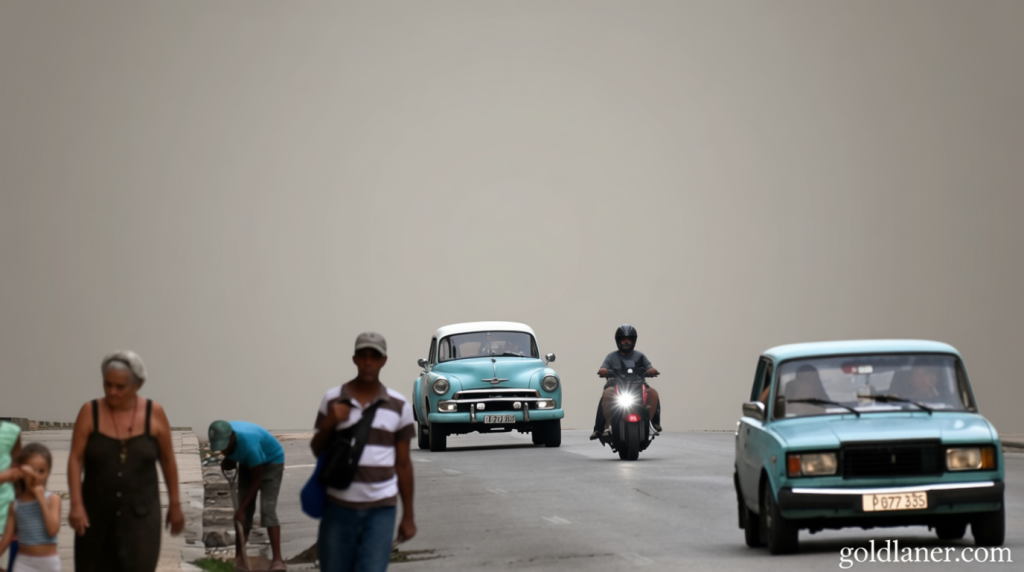
Power outages, once brief, now stretch for days, forcing Cubans to endure darkness as they cook and iron clothes by candlelight. During a recent 36-hour blackout, a group of men cooked a large pot over tree limbs burning on Havana’s main avenue, their laughter a stark contrast to the hardship. “We have returned to the Stone Age,” one man remarked, his tone oddly cheerful. Without fuel, roads are nearly empty, save for the T-Plate vehicles rented by Cubans to siphon gasoline for the black market. A single tank of gas now sells for over $300, surpassing the annual income of many.
Resilience and Uncertainty
Despite the strain, Cuban officials refuse to yield. “The homeland or death. We will be victorious!” remains a familiar slogan, reflecting their determination. Yet, many citizens are exhausted, yearning for change — even if it comes from unexpected sources. When my cameraman reappeared, I asked the taxi driver if he wished to share his thoughts. He hurried away, choosing to keep his frustrations quiet for now, content to speak in whispers.
