
At every fork in the road on Iran, Trump’s choices get worse
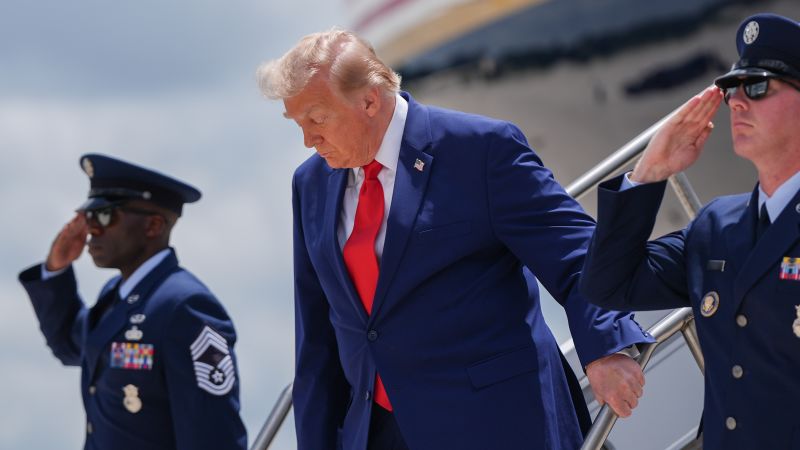
Trump’s Dilemma Deepens as Iran Crisis Enters New Phase
Goldlaner.com – President Donald Trump confronts yet another critical decision point regarding Iran, and history suggests his available options continue to shrink while the stakes grow higher. The administration announced on Sunday that air strikes—now totaling thirteen consecutive nights of bombardment—would observe a temporary halt lasting up to three nights. This breathing room supposedly creates opportunities for diplomatic engagement, though officials simultaneously cautioned that American forces remain prepared for further escalation.
Diplomatic Signals and Iranian Resolve
Some indicators suggest diplomatic channels are active. Tehran reportedly welcomed Omani representatives for discussions at the deputy foreign minister level during recent days. Nevertheless, the Islamic Republic has shown no inclination to modify its fundamental position that triggered the current confrontation: maintaining control over maritime traffic through the strategically vital Strait of Hormuz.
During a televised press conference, Iranian foreign ministry spokesperson Esmaeil Baghaei declared that no negotiations with Washington were underway at present. He emphasized that
Tehran will never allow the United States to determine the timing of war and peace.
Strategic Options Narrow
Trump has attempted to extract Iranian concessions through intensified military pressure, yet this approach yields results no better than during the initial phase of hostilities. Deploying ground forces represents one potential path forward, potentially capitalizing on American military superiority. However, such a decision carries substantial risk of heavy American casualties in a conflict already facing considerable domestic opposition.
With nearly five months elapsed since Trump predicted a swift resolution lasting only a few weeks, the president continues seeking maneuvering room against Tehran. Unfortunately, each strategic adjustment appears to reduce available options while worsening the quality of remaining choices. Political pressure simultaneously intensifies.
Economic and Political Consequences Mount
Oil price increases last week suggest rising gasoline costs for American consumers, creating additional anxiety among the majority who oppose the conflict. Brent crude, the international benchmark, actually declined more than six percent on Monday following the fighting pause. Meanwhile, an alternative maritime corridor through the Red Sea faces potential disruption from Yemen’s Houthi rebels, who maintain Iranian backing.
Global crude inventories approach critically low thresholds, fueling concerns about an escalating energy crisis. These developments arrive before November’s midterm elections, where Republican candidates already confront challenging prospects.
Conflicting Signals and Internal Concerns
Trump’s recent oscillation between threats of massive force and assertions that Iran desperately seeks dialogue may reflect his recognition of limited alternatives. Such contradictory messaging appears designed primarily for domestic consumption rather than influencing Tehran’s calculations.
Internal administration concerns have surfaced. Vice President JD Vance and Chairman of the Joint Chiefs of Staff Dan Caine reportedly expressed apprehension about further escalation during a White House meeting on Friday. According to sources familiar with the matter and a US official, Caine specifically worried about impacts on munitions stockpiles.
CNN’s Katie Bo Lillis reported last week that both the CIA and the Defense Intelligence Agency concluded that the most recent American bombing campaign is unlikely to alter Iran’s negotiating stance, according to two US officials acquainted with these assessments.
Remaining Pathways Forward
One alternative involves extending the American economic blockade targeting Iranian vessels and port facilities. This strategy aims to restrict government funding and revenues essential for sustaining the Islamic Revolutionary Guard Corps military apparatus. The drawback remains that implementation requires weeks or months, with no guarantee of changing Tehran’s fundamental position.
A third possibility centers on reviving the collapsed memorandum of understanding that established a brief ceasefire. However, Tehran would likely reject such an arrangement unless it secures what it considers essential concessions. Should Trump pursue any of these remaining options, Iran would probably resume attacks on commercial tankers navigating the strait, amplifying both global economic disruption and domestic political pressure on the American president.
Related Reading
Frequently Asked Questions
What is At every fork in the road?
At every fork in the road is the main topic of this guide. The article explains the context, practical details, and next steps readers should understand.
Why does At every fork in the road matter?
At every fork in the road matters because readers are looking for a useful answer, not just a short summary. Good content should match search intent and help them decide what to do next.
