
National Guard deployment to DC will last through Trump’s term
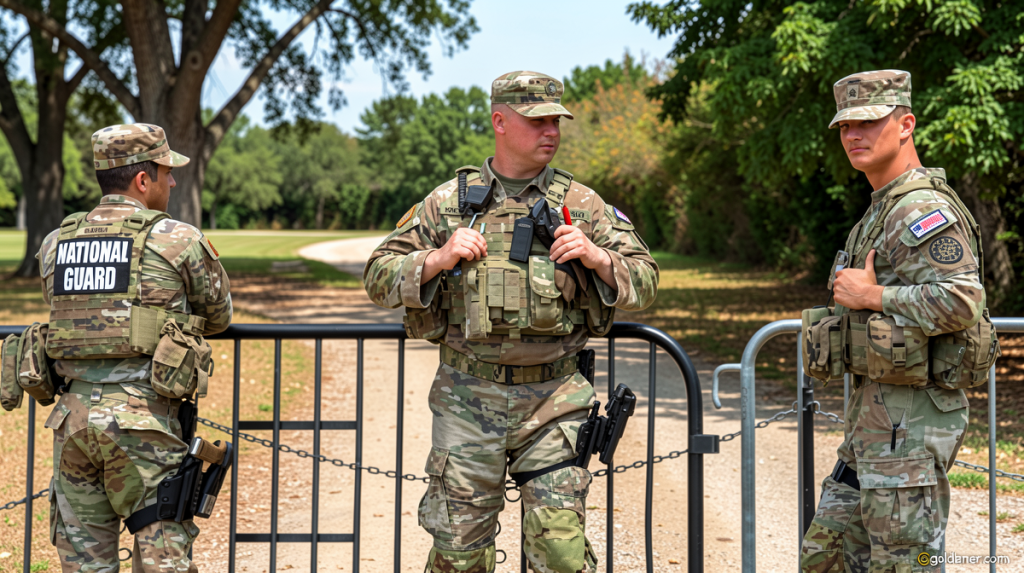
DC National Guard Mission Extended Through Presidential Term
National Guard deployment to DC will – The Pentagon has officially confirmed that the National Guard deployment to Washington, DC will continue well beyond its original expiration date, remaining in place until the conclusion of President Donald Trump’s presidency. According to a Thursday email from the Department of Defense, the mission is now scheduled to run through January 20, 2029, or until the President decides to end it earlier.
Originally set to conclude at the end of this calendar year following a previous extension, the military presence in the capital has now been significantly prolonged. The deployment traces its origins to an executive order issued by Trump in August 2025, which addressed what the administration characterized as a crime emergency. That order brought in the National Guard alongside additional federal law enforcement personnel to strengthen security across the district.
Crime Statistics and Ongoing Debate
Government officials maintain that criminal activity has decreased substantially since the troops arrived. However, local DC leaders contend that the downward trend in crime was already underway before Trump ordered 2,500 soldiers into the city. This disagreement has become a central point of contention as the deployment continues.
While serving in the capital, Guard members have handled a variety of duties beyond traditional security roles. Their responsibilities include responding to medical emergencies, assisting law enforcement with arrests, clearing snow from streets, and participating in neighborhood beautification initiatives. The White House reported in April that a joint task force has completed 12,000 arrests since operations began, including the identification of 62 known gang members. Additionally, thousands of illegal firearms have been confiscated during this period.
Financial Costs and Public Concerns
The financial burden of maintaining this presence has not gone unnoticed. Phil Mendelson, who serves as chairman of the District of Columbia Council, highlighted the expense in April, noting that taxpayers are contributing more than one million dollars daily for soldiers to patrol the streets. He also expressed concerns about the visual impact, stating that armed military personnel on American streets creates an unfavorable impression.
Meanwhile, deployments to other metropolitan areas have faced different outcomes. Courts in California and Illinois have either ended or paused their respective deployments, while cities like New Orleans continue with more limited operations. In contrast, DC soldiers remain active throughout the city, patrolling metro stations, tourist destinations, residential neighborhoods, and public parks.
Tragedy and Legal Advantages
The mission has not been without casualties. In November, Spc. Sarah Beckstrom was fatally shot while Staff Sgt. Andrew Wolfe was wounded. Both soldiers had been deployed from West Virginia. Authorities reported that a man traveled from Washington state to DC and opened fire outside a subway station located just three blocks from the White House, resulting in the injuries.
One significant advantage Trump has enjoyed with this deployment stems from Washington’s unique status as a federally established district created by Congress. This designation gives the President considerably more authority over both the local police force and the DC National Guard, allowing him to exercise direct control. This structural benefit has enabled Trump to navigate around certain legal challenges that have emerged in other states where deployments faced court intervention.
Although Guard members themselves do not have arrest authority, the administration argues that their support has been instrumental in the broader crime reduction effort. Despite these claims, the debate continues in Washington, a predominantly Democratic city, with some officials questioning how much credit the deployment deserves given that crime figures were already declining before the troops arrived. Those earlier statistics even prompted an investigation after allegations surfaced suggesting local police may have manipulated the data.
