
ICE traffic stops were just halted, then swiftly reinstated, as feds try to curb shootings – and the inevitable backlash
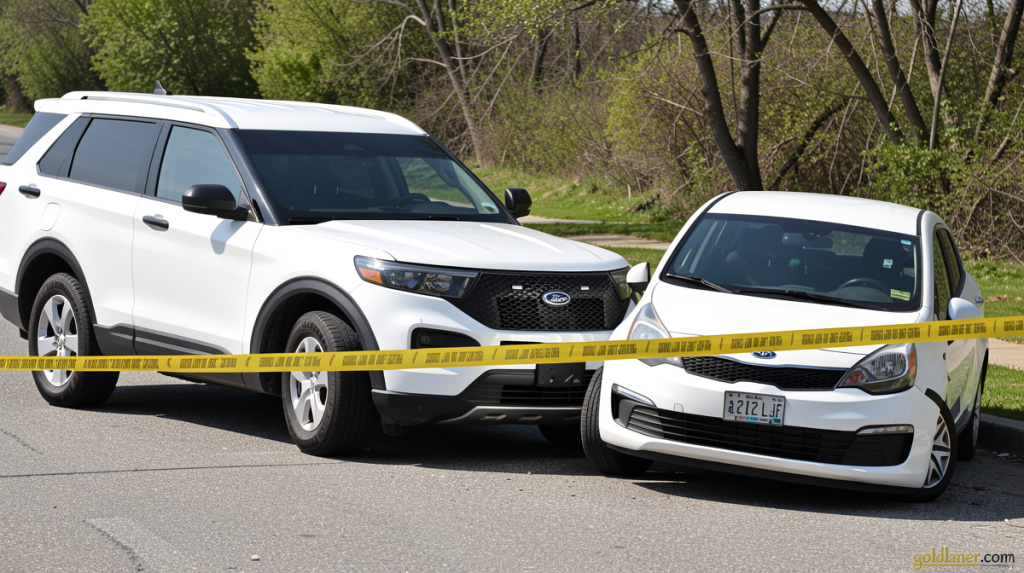
ICE Reverses Course on Traffic Stop Suspension After Brief Pause Sparks White House Fury
A Rapid Policy Flip-Flop Reflects Tensions Between Enforcement Goals and Public Relations
ICE traffic stops were just halted – The issue that newly appointed Department of Homeland Security leadership promised to resolve has once again dominated headlines. Throughout the early months of this year, backing for the Trump administration’s aggressive immigration strategy began eroding. Several high-profile operations generated controversy through contentious deportations, clashes with demonstrators, and most notably, the tragic deaths of two American citizens in January during encounters with federal agents on Minneapolis streets.
Markwayne Mullin, who assumed the role of DHS secretary, articulated his vision to a congressional committee in mid-March. He expressed confidence that within half a year, immigration enforcement would no longer dominate daily news cycles. Despite having two months remaining on this self-set timeline, Mullin’s aspirations for a subdued summer featuring routine immigration apprehensions have encountered fresh obstacles following two additional lethal incidents involving Immigration and Customs Enforcement personnel operating under his oversight.
The fatalities involving Lorenzo Salgado Araujo in Houston and Joan Sebastian Durán Guerrero in Biddeford, Maine, both transpired during routine traffic stops. These encounters had evolved into essential mechanisms for agents working toward the administration’s objective of approximately 2,000 daily arrests. This approach appeared to shift on Tuesday when DHS confronted mounting criticism from congressional representatives and local authorities. ICE personnel received instructions to predominantly halt vehicle stops until further guidance emerged, while also being directed to collaborate with allied agencies when serving criminal warrants on individuals inside automobiles.
However, border czar Tom Homan had scarcely completed a series of media appearances minimizing the importance of those traffic encounters and forecasting minimal disruption to overall arrest figures when the policy reversed once more. According to a White House representative, President Donald Trump personally directed the change. Two individuals with knowledge of the situation indicated that Trump became increasingly irate over the suspension, particularly as influential conservative commentators argued the administration was retreating from robust immigration enforcement.
“We CANNOT give up one of I.C.E.’s most important and effective Crime Fighting tools, THE TRAFFIC STOP!” Trump declared on Truth Social on Wednesday morning. “Once we do, we are playing right into the criminal’s hands.”
He continued his message with additional guidance: “I.C.E., be judicious, fair and smart, and go back and do your very important job.”
Even though the suspension proved brief, ICE’s willingness to reconsider its tactics demonstrated organizational flexibility, particularly when contrasted with predecessor Kristi Noem’s decision to intensify enforcement following the deaths of Renee Good and Alex Pretti in Minnesota. Within DHS, officials have privately expressed worries that continued firearm discharges—ten such occurrences have been recorded in 2026—could undermine the positive public perception Mullin has worked to restore since Noem’s departure.
Nevertheless, the legal threshold for prosecuting law enforcement officers involved in duty-related shootings remains substantial, and no criminal accusations have been brought against any immigration enforcement personnel connected to this year’s fatal traffic stop incidents.
Confronted with unprecedented arrest quotas during Trump’s second term, ICE agents face mounting pressure to apprehend undocumented immigrants while navigating their own mobility challenges, according to a former agency leader who spoke with CNN recently. John Sandweg, an attorney and former acting ICE director during the Obama presidency, noted that waiting for individuals to reach their destinations requires additional time. “There’s just this desire to ratchet up the arrest numbers,” he explained.
Simultaneously, conventional methods for detaining undocumented immigrants from their residences have grown less successful. Monitoring neighborhoods, conducting door-to-door visits, and utilizing DHS administrative warrants—authorized by designated ICE officers rather than judges—have encountered resistance from increasingly sophisticated community organizer networks that alert immigrants about their legal protections and signal when federal agents approach.
“More and more people are educated that they’re not required as a matter of law to let ICE in without a judicial warrant,” Sandweg observed, distinguishing these from warrants signed by judges.
ICE’s expansion of traffic stops for immigration purposes has not been accompanied by enhanced training for conducting these encounters safely, which Sandweg noted increases risks for both suspects and officers. He regularly converses with former ICE personnel and state and local law enforcement officials, who consistently emphasize that traffic stops represent one of the most hazardous aspects of police work. The combination of heightened enforcement pressure, limited training resources, and growing public scrutiny creates a complex environment for federal immigration agents attempting to balance multiple competing priorities.
