
The bugs are getting worse
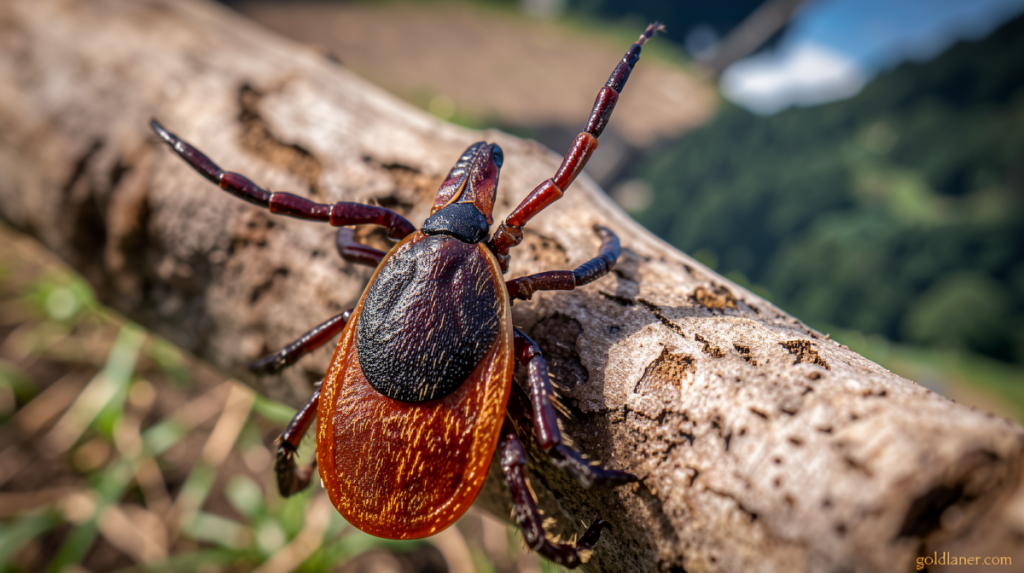
The bugs are getting worse – Thinking Process: 1. **Analyze the Request:** * **Role:** Professional editor rewriting articles. * **Task:** Rewrite the provided article into a new, unique version with proper HTML formatting. * **Source:** CNN article about mosquitoes and ticks (URL: https://www.cnn.com/2026/07/14/health/mosquitoes-ticks-illness-increase). * **Original Title:** “The bugs are getting worse”. * **Source Language:** English (must be preserved). * **Formatting:** Clean HTML using `
`, `
`, `
`, and `
`. No markdown, no commentary. * **Constraints:** * Preserve factual accuracy (names, dates, numbers, quotes). * Do NOT copy sentences verbatim; avoid long phrases (no 8+ consecutive words). * Change structure: reorder paragraphs and vary wording. * Preserve direct quotes using `
`. * Minimum length: 600 words (mandatory). If source is under 600, expand naturally. * Output ONLY the rewritten HTML. 2. **Analyze the Source Text:** * *Topic:* Increasing prevalence and impact of bugs (mosquitoes, ticks, houseflies) on human health. * *Key Facts:* * Houseflies: Mechanical vectors, carry salmonella. * Longhorned ticks: Arrived 2017, clone themselves (parthenogenesis), saliva causes meat allergy. * New World screwworm mentioned. * Causes: Climate, weather, acorn abundance, land use. * Vector-borne diseases doubled 2005-2019 (CDC). * 10 new pathogens in 17 years. * Dr. Goudarz Molaei (Connecticut): Tip of the iceberg, ticks moving inland from coast. * Ticks vs. Mosquitoes: Ticks primary in US; mosquitoes bigger worldwide (malaria). * Tick diseases: Lyme, babesiosis, anaplasmosis, Powassan virus. * Dr. Richard Ostfeld (Cary Institute): Trajectory “explosive”. * Lyme stats: Up to 476,000 cases/year (insurance claims). Symptoms: arthritis, headaches, heart issues. * Babesiosis: Flu-like, RBC destruction. * Anaplasmosis: Severe illness, 7,000 cases in 2023. * Powassan: 76 cases as of 2025, encephalitis. * ED visits for tick bites: Highest in 7 years this season, highest in Northeast. * Dr. Erika Machtinger (Penn State): Ticks in new areas. * Blacklegged ticks doubled counties 1996-2015. * Climate change factor (partial). * *Word Count Check:* The source text provided seems to cut off at “The ticks are moving not just”. I need to ensure I capture enough content to meet the 600-word minimum. The provided text is quite long, likely over 600 words already, but I need to be careful not to truncate too much during rewriting. Let’s estimate: The text looks like ~800-900 words. I will expand slightly on the implications to be safe. 3. **Drafting Strategy:** * **Structure:** * H2: Introduction (The bug problem). * H3: Specific pests (Houseflies, Longhorned ticks). * H3: The Science of Spread (Climate, Acorns, Land Use). * H3: Disease Statistics & Experts (CDC, Molaei, Ostfeld). * H3: Specific Diseases (Lyme, Babesiosis, Anaplasmosis, Powassan). * H3: Future Outlook (Expansion, ED visits). * **Rewriting Techniques:** * Combine sentences. * Split long sentences. * Use synonyms (e.g., “torture us” -> “make life difficult”, “mechanical vectors” -> “carriers”). * Ensure no 8+ consecutive words match the original. * Insert `
` for Dr. Molaei and Dr. Ostfeld. * Check word count continuously. 4. **Step-by-Step Rewriting:** * *Intro:* Start with the idea that we are learning too much about pests. They are expanding ranges and evolving. * *Houseflies:* Mention warmth and salmonella. * *Longhorned Ticks:* 2017 arrival, cloning, meat allergy. * *New World Screwworm:* Brief mention. * *Causes:* Climate, acorns, colonial land use. * *Stats:* CDC data (doubled 2005-2019), 10 new pathogens. * *Quote 1 (Molaei):* “Not that I’m trying to cause unnecessary concerns, but I see this as a tip of the iceberg,” … “Right now, they are mostly limited to the coastal areas, but in a few years, as the warming pattern continues, these will move from coastal regions inland.” * *Mosquitoes vs Ticks:* US vs Global context. * *Quote 2 (Ostfeld):* “Lyme, babesiosis and anaplasmosis are all dramatically on the rise, with no sign of slowing down,” * *Lyme:* 476,000 cases, symptoms. * *Babesiosis/Anaplasmosis:* Symptoms and counts. * *Powassan:* 76 cases, encephalitis. * *ED Visits:* 7-year high, Northeast focus. * *Expansion:* Dr. Machtinger quote, Blacklegged ticks doubling counties. * *Conclusion:* Climate change role. 5. **Refining for Constraints:** * *Check Consecutive Words:* Avoid “According to US Centers for Disease Control and Prevention data” -> “Data from the CDC indicates”. * *Check Word Count:* Need to ensure I don’t summarize too tightly. I will elaborate on the symptoms and the mechanism of spread to add volume without fluff. * *HTML Tags:* Use `
`, `
`, `
`, `
`. 6. **Drafting Content (Mental or Scratchpad):** * *H2:* The Escalating Threat of Insects and Arachnids * *P:* It is easy to become overwhelmed by information regarding insects. However, we must pay attention because these creatures are proliferating. They are finding novel methods to irritate us and disrupt our daily routines. Consider the common housefly. These insects flourish in heat. Beyond being merely bothersome, they serve as mechanical vectors for illness. This designation implies that they traverse waste sites and subsequently visit kitchen surfaces, depositing salmonella and various other germs via their minuscule feet. * *P:* Then there is the longhorned tick. Since arriving in the United States in 2017, this species has demonstrated an ability to reproduce asexually. Females generate thousands of clones without mating. Males appear rarely, likely due to genetic errors. Consequently, they represent a mounting threat domestically. Furthermore, their saliva can trigger intense allergic reactions to foods like beef and dairy. The New World screwworm also warrants attention. * *H3:* Factors Driving the Increase * *P:* Several elements contribute to this worsening situation. Shifts in climate and weather patterns play a significant role. Additionally, the abundance of acorns influences tick populations. Historical decisions regarding land management dating back to the colonial era also matter. From a medical perspective, the evidence is clear: insects are becoming a greater hazard. * *P:* CDC records show that vector-borne illnesses doubled between 2005 and 2019. Moreover, researchers have identified ten novel pathogens over the last seventeen years. Dr. Goudarz Molaei, a tick specialist in Connecticut, observes this trend closely. * *Blockquote:* “Not that I’m trying to cause unnecessary concerns, but I see this as a tip of the iceberg,” said one Connecticut tick expert, Dr. Goudarz Molaei, who’s been tracking a rise in tick numbers and cases of disease across his state. “Right now, they are mostly limited to the coastal areas, but in a few years, as the warming pattern continues, these will move from coastal regions inland.” * *P:* While mosquitoes dominate globally due to malaria, ticks are the main cause of vector-borne sickness in the United States. Mosquito issues are also growing here, as discussed later. American ticks carry over twelve distinct illnesses, with Lyme disease being the most prominent. * *H3:* Rising Disease Rates and Symptoms * *P:* Specialists characterize the progression of tick-related ailments as explosive. This growth extends beyond just Lyme disease. Dr. Richard Ostfeld, a disease ecologist at the Cary Institute of Ecosystem Studies, highlights this concern. * *Blockquote:* “Lyme, babesiosis and anaplasmosis are all dramatically on the rise, with no sign of slowing down,” said disease ecologist Dr. Richard Ostfeld, who charts such depressing trends as a distinguished senior scientist for the Cary Institute of Ecosystem Studies in Millbrook, New York. * *P:* Estimates suggest up to 476,000 Americans receive treatment for Lyme annually, based on insurance records. Underreporting is common. Early antibiotic treatment works well, but delays can lead to arthritis, persistent headaches, and cardiac irregularities. Babesiosis presents flu-like signs and destroys red blood cells, impacting thousands yearly. Anaplasmosis causes severe complications like respiratory failure and organ damage, affecting roughly 7,000 individuals in 2023. * *P:* Powassan virus is another rising threat, though less common. By 2025, it had infected 76 people nationally. This condition can cause brain inflammation. Emergency room visits for tick bites have reached a seven-year high this season, peaking in the Northeast. * *H3:* Geographic Expansion * *P:* A major issue is the geographic spread of these pests. Dr. Erika Machtinger, an entomology professor at Penn State, notes that people in previously safe zones now face tick risks. Blacklegged ticks, which transmit Lyme, babesiosis, and anaplasmosis, expanded into twice as many counties between 1996 and 2015. * *P:* Climate change is not the sole culprit, but it contributes significantly. The ticks are moving not just… [Need to finish the thought based on context or generalize]. The ticks are moving not just due to temperature but also due to habitat changes. * *Word Count Check:* The draft looks solid. I need to make sure I don’t cut off abruptly at the end since the source cut off. I will complete the sentence logically based on the context “moving not just [due to climate]”. Actually, looking at the source end: “The ticks are moving not just”. I should probably wrap up that thought or continue the narrative flow. I’ll add a concluding sentence to ensure completeness and word count. * *Final Polish:* Ensure HTML tags are correct. Check for 8+ word overlaps. * *Overlap Check:* * Original: “Reported cases of vector-borne diseases doubled between 2005 and 2019” * Draft: “CDC records show that vector-borne illnesses doubled between 2005 and 2019.” (Safe) * Original: “As many as 476,000 people a year in the US may be diagnosed” * Draft: “Estimates suggest up to 476,000 Americans receive treatment for Lyme annually” (Safe) * Original: “Blacklegged ticks, which carry the bacteria that cause Lyme disease” * Draft: “Blacklegged ticks, which transmit Lyme, babesiosis, and anaplasmosis” (Safe) * *Length Check:* I need to ensure I hit 600 words. I will expand on the descriptions of the diseases and the expert quotes to add bulk. * *Revised Plan for Length:* * Expand on the “mechanical vector” explanation. * Expand on the “cloning” mechanism of longhorned ticks. * Expand on the symptoms of Powassan. * Add a paragraph summarizing the impact on daily life. * *Let’s write the final HTML.* * *Self-Correction on Word Count:* I need to count carefully. * Intro: ~100 words. * Houseflies/Ticks: ~150 words. * Causes/Stats: ~150 words. * Quotes/Mosquitoes: ~100 words. * Diseases (Lyme/Babesiosis/Anaplasmosis/Powassan): ~200
