
This chaotic 2,000-pound seal has returned to sea – but leaves behind a conundrum
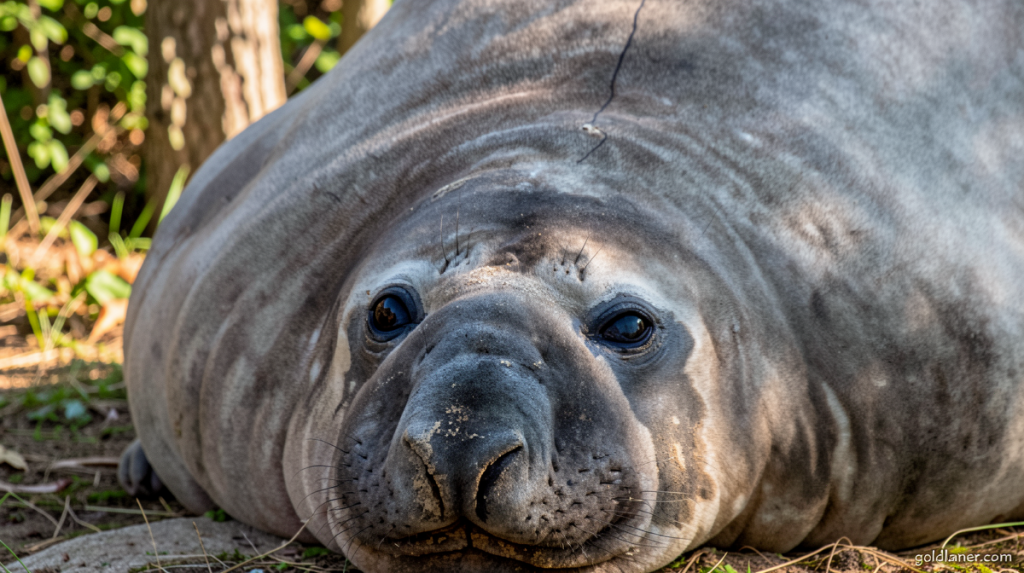
Neil the Seal Returns to Hobart After Chaotic Visit
This chaotic 2 000 pound seal has once again departed the shores of Tasmania, leaving behind a conundrum for locals and researchers alike. Neil—the boisterous young elephant seal—slipped back into the ocean without a flipper wave or farewell. His departure leaves behind not only devoted admirers but also a growing set of questions regarding what awaits him as he continues to grow. When news broke in June that Neil had returned to the area, Rebecca Thomson immediately hurried to the beach. She wanted to catch a glimpse of one of the Australian state’s most recognizable residents.
Upon arrival, Neil—weighing an impressive 2,200 pounds of blubber—began trailing behind her. Thomson, a Hobart resident, recalled the experience with amusement. “It’s like this giant slug coming at you,” she laughed, ensuring she maintained a safe distance from the massive creature. “It was really exciting and intriguing, and yes, definitely a bit intimidating, too.”
A Seal Unlike Any Other
Southern elephant seals typically come ashore several times annually to breed, shed their coats, and socialize. While most of their kind retreat to remote subantarctic islands for these gatherings, Neil has chosen a different path. He prefers spending his seasonal visits among humans in Tasmania, where he frequently causes delightful chaos. This chaotic 2 000 pound seal has become something of a local legend.
After trailing Thomson to a parking area, Neil began rocking a parked van. Bystanders watched with laughter as the unfortunate driver attempted to free his vehicle. Additional footage captures him obstructing roadways, crashing into street signposts, peering through residents’ screen doors, and cheerfully flattening traffic cones with his enormous frame. To date, he has not posed any threat to people.
His fame has expanded with every visit, earning him devoted followers globally and even a dedicated theme song. One TikTok caption on a fanpage boasting over 1.7 million followers declared him “more ungovernable than ever.” Thomson noted, “He features in advertising, local insurance ads, so yeah, he’s definitely become an icon.”
Unusual Origins
Neil’s journey began in 2020 when he was born off Tasmania’s southeast coastline, near Hobart. This was already remarkable. According to Clive McMahon, a research ecologist at the Sydney Institute of Marine Science, most southern elephant seals in this region are delivered on Macquarie Island, located approximately 1,500 kilometers (932 miles) south of Hobart. These seals typically return to that same location to breed and give birth.
McMahon explained that Neil’s mother may have been young and inexperienced, causing her to miss the return journey to Macquarie Island. With birth imminent and Tasmanian beaches nearby, Neil emerged into the world. “Elephant seals return to the place where they were born,” McMahon noted. “So Neil is doing exactly what we would expect a good elephant seal to do… it just happens to be that he’s doing his normal behavior in a strange place.”
Seasonal Routines and Local Affection
Over the past forty years, scientists estimate only a small number of southern elephant seals have been born in Tasmania and survived, according to the Department of Natural Resources and Environment Tasmania. Local residents now encounter Neil several times each year on shore, where he enjoys legal protection as a vulnerable species.
His appearances follow a predictable pattern. Molting occurs in December and January, when seals shed their old fur and skin layer. Breeding season spans September through November. The mysterious mid-year haul-out happens from April through August during the Tasmanian winter. During this period, elephant seals gather and interact, particularly young males who engage in playful fighting.
Elephant seals are polygamous and maintain harems. The most dominant males can mate with dozens, or even up to 100, females. McMahon observed that this haul-out period allows young males to “learn the behaviors that they’ll need when they start competing.” Unfortunately, Hobart’s residential streets lack other young male seals for Neil to practice chest-puffing and sparring with. “So poor old Neil … is making do with all the other things that he’s ‘playing’ with, so big bollards, the traffic cones, potentially cars, all sorts of other things,” McMahon said.
For locals, Neil represents a unique combination of celebrity, state mascot, and neighborhood troublemaker. Sophia Volzke, a marine and Antarctic ecologist based in Hobart, emphasized that Tasmanians are “very protective of him.” “Everyone loves him,” she added. “You can talk to a random Tasmanian on the street, they will know Neil the seal.” Volzke began her doctoral research on elephant seals in 2020, focusing on understanding these remarkable creatures and their connection to human communities.
“He features in advertising, local insurance ads, so yeah, he’s definitely become an icon.”
As Neil continues to grow, this chaotic 2 000 pound seal remains a beloved fixture of Hobart’s waterfront. Whether he returns next season or stays away longer remains to be seen. But one thing is certain: wherever Neil goes, he brings entertainment and wonder in equal measure.
