
The view from Tehran: Anger and vengeance in the air as Iran buries its longest-serving leader
A Nation in Mourning: Iran’s Emotional Farewell to Khamenei Amidst Conflict
A Historic Week of Grief and Retaliation
The view from Tehran – Iran has experienced an extraordinary period of national significance. Within the almost half-century existence of the Islamic Republic, only twice has the nation interred its supreme leader. Ali Khamenei, who governed as both spiritual guide and authoritative ruler for nearly forty years, has now passed. For countless Iranians, he represented the sole leadership they have ever witnessed. His death coincided with American aerial bombardments targeting multiple locations across the country, serving as retaliation for Iranian attacks on commercial vessels navigating the Strait of Hormuz.
Merely months prior, such military actions would have triggered seismic reactions throughout the Middle East. However, following two separate conflicts within nine months, a palpable exhaustion settled over Tehran when reports of Wednesday’s airstrikes arrived. This single week within the Iranian capital has provided remarkable clarity regarding the nation’s current state of mind and political landscape.
The Funeral Procession: A River of Black
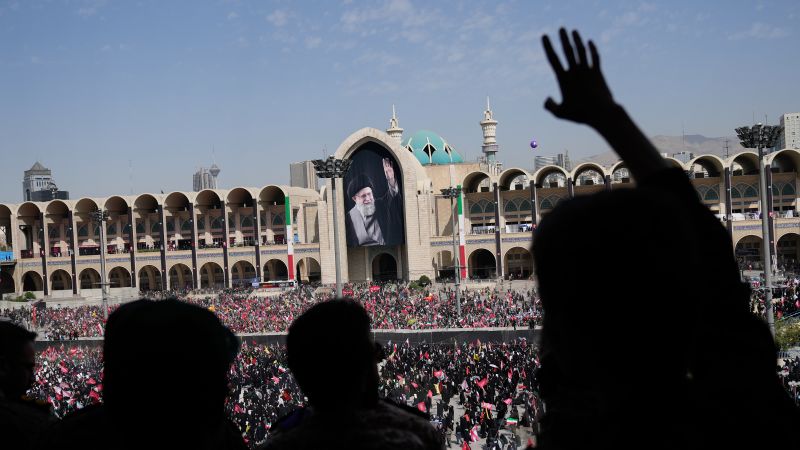
Official Iranian figures reported that more than ten million citizens participated in funeral ceremonies honoring the late Ayatollah Khamenei throughout this week. While verifying these figures independently proves challenging, certainly hundreds of thousands of people at minimum filled the streets of Tehran for Monday’s ceremonial procession. Approximately twenty kilometers of the marching path transformed into a continuous stream of mourners dressed entirely in black, bearing crimson banners symbolizing both martyrdom and vengeance.
Many Tehran residents opted to physically separate themselves from the celebrations. As journalists drove into the capital, they encountered substantial traffic congestion as locals departed the city to observe the national holiday in other regions. Nevertheless, the funeral gatherings remained densely populated with Shia believers and government supporters alike.
“I even loved him more than my father. It’s as if I lost my father again,” 30-year-old Nafiseh Sadat Sadri expressed to CNN. “I feel that I’ve become an orphan, it burns in my heart.”
Voices of the People: Personal Loss and Political Anger
The ceremonial events, particularly Monday’s route through Tehran, generated profound emotional responses. While outward expressions of devotion characterize Shia Islamic tradition, this funeral appeared intensely personal for numerous attendees. Twenty-five-year-old Fatemeh shared her sentiments: “He was our leader. He was a great man. I am going to continue his path.” She had traveled overnight from Kashan, a central Iranian city, specifically to witness the procession.
Desire for retribution dominated many conversations. Mahtab Ehsani, a young woman speaking to CNN as crowds awaited Khamenei’s coffin on Monday, declared: “We have come here to avenge the blood of our leader, and not for one second will we put this aside. Blood must be repaid with blood.”
“We will not rest until we have killed Trump,” stated Ghassem Kalateh, a Tehran-based cleric.
Government officials echoed these sentiments. Parliament Speaker Mohammad Bagher Ghalibaf issued a Thursday statement characterizing the week as “not merely a farewell ceremony and mourning, but… a call for vengeance for that beloved figure, signed by millions of grieving mourners.”
Anti-American Sentiment and Internal Criticism
Resentment toward America, particularly directed at President Trump, permeated every corner of public discourse. Daily, numerous mourners approached international journalists with declarations of intent to eliminate the American president in retaliation for their leader’s assassination. Gestures indicating throat-slitting accompanied frequent chants of “kill Trump” and “death to America,” though the CNN team also received welcoming greetings, courteous inquiries, and requests for photographs.
During this year’s Ramadan conflict, public sentiment appeared considerably more somber. With citizens anxious about their security as American bombs descended from Iran’s night skies without warning, street-level hostility intensified considerably. Public frustration ran deeper as the nation confronted an essentially unregulated barrage of aerial bombardments.
Yet criticism extended beyond simple obedience to official narratives. Tayyebeh Sadat, a Tehran government employee, explained to CNN: “I’m criticizing the authorities of my own country. When they were supposed to give the right response to those people overseas, they didn’t do so. Negotiations were against the will of the nation. They have wasted all the efforts of our armed forces.”
Chalk inscriptions adorning the walls separating men and women at the expansive Mosalla mosque complex, where Khamenei rested in state, displayed messages including “no negotiation with Satan” and “curse be upon he who negotiates.” Simultaneously, video footage circulated across social media platforms from both government-aligned and opposition accounts, capturing the complex tapestry of Iranian public opinion during this pivotal moment in the nation’s history.
