
The US is striking Iran again. Can it ever deliver a knockout blow?
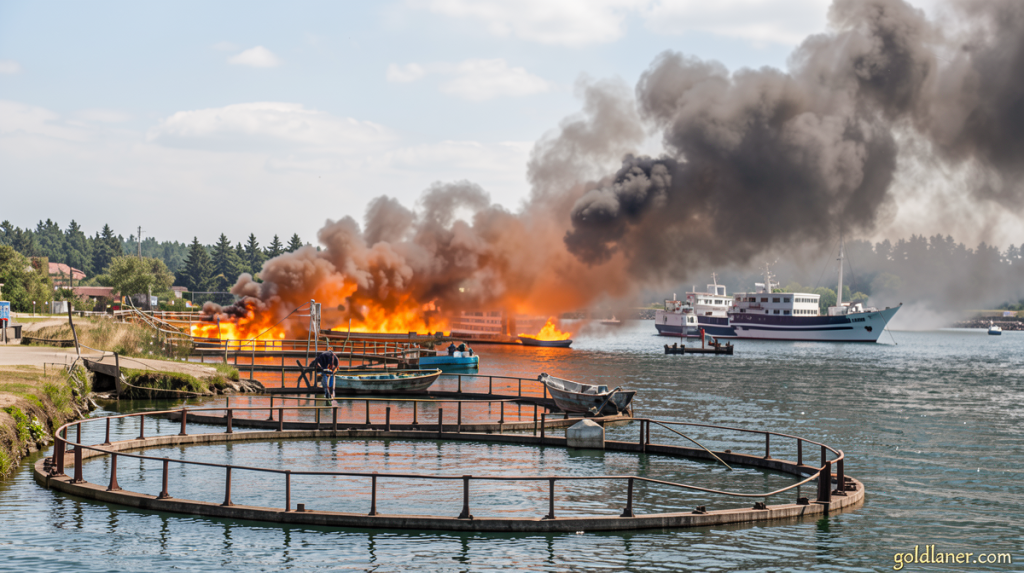
Escalation Continues as US and Iran Trade Strikes
The US is striking Iran again – The fragile truce between Washington and Tehran appears to be unraveling once more. Following forty-eight hours of intense aerial, drone, and missile exchanges, both nations have claimed to destroy dozens of enemy positions. This renewed violence marks the most significant breakdown since the two powers established a tentative ceasefire in April and formalized their understanding through a Memorandum of Understanding in June. That agreement was intended to pave the way for a lasting conclusion to hostilities, yet current developments suggest otherwise.
Each side has accused the other of violating the terms. Iran contends that American forces have failed to honor their commitments, while US officials counter that Tehran is reneging on its own pledges. President Donald Trump has grown increasingly frustrated with the situation, particularly during his attendance at the NATO summit in Turkey this week. Iranian military actions during his diplomatic visit seemed to provoke a stronger reaction from the American president.
“The MoU with Iran is ‘over,'” Trump announced on Wednesday, describing Iranian leadership as ‘cuckoo’ and a ‘waste of time.’
Tehran has responded with equally firm warnings. Both the parliament speaker and the nation’s chief negotiator took to social media platform X to declare: “If you strike, you’ll get hit.” The current military operations involve American forces targeting several locations, predominantly situated along Iran’s coastline. Despite these bombardments, Iranian military units continue launching missiles and drones toward American installations in Kuwait and Bahrain.
The Strategic Importance of the Strait of Hormuz
Conditions in the Strait of Hormuz remain unstable. Military experts indicate that the most recent wave of attacks is unlikely to diminish Iran’s capacity to disrupt maritime traffic through this critical energy corridor. The intensity of these exchanges has been somewhat lower than the initial bombardments that commenced in late February, leading some observers to believe that diplomatic resolution remains possible. However, skepticism persists among many analysts.
“The ceasefire had little chance of survival because the Iranian government that signed it has no authority over the Islamic Revolutionary Guard Corps (IRGC),” explained Carl Schuster, former director of the US Pacific Command’s Joint Intelligence Center.
The IRGC represents Iran’s elite military force, operating independently from conventional armed services. This organization maintains control over the nation’s missile capabilities and serves as the guardian of the Islamic revolution. Reporting directly to the supreme leader, the IRGC has demonstrated minimal enthusiasm for reaching agreements with Washington under conditions favorable to Trump.
“Their overarching goal is to keep their theocratic regime in power. This air campaign won’t force them to change any of that. It’s too limited in scope,” noted retired US Air Force Colonel Cedric Leighton, CNN’s military analyst.
The IRGC’s determination to maintain dominance over the Strait of Hormuz cannot be overstated. During periods of peace, approximately twenty percent of global oil supplies transit through this waterway. The organization has leveraged this position since the conflict’s inception, successfully driving up international oil prices through strategic disruptions.
Economic and Diplomatic Dimensions
While President Trump seeks to keep the strait open and accessible, analysts maintain that Iran holds considerable leverage through the IRGC. Schuster emphasized that any meaningful ceasefire requires IRGC approval, which will only materialize if the organization perceives peace as essential for its continued existence as an independent power.
The latest escalation followed a recognizable pattern. Iran initiated hostilities by targeting three commercial vessels within Oman’s territorial waters near the Strait of Hormuz. Tehran considers control of this waterway its primary bargaining chip, insisting that all maritime traffic must utilize designated routes and obtain authorization for passage.
Increasingly, shipping companies are opting for alternative routes closer to the Omani coastline, thereby reducing Iran’s influence. From Tehran’s perspective, this development constitutes a violation of the MoU, which contained provisions for reopening the strait, alleviating economic pressures, and establishing frameworks for addressing Iran’s nuclear ambitions.
Following the Tuesday attacks on merchant ships, American forces launched strikes against eighty Iranian targets. Simultaneously, Washington reinstated sanctions on Iranian oil exports, reversing an earlier decision to suspend these measures for sixty days under the ceasefire arrangement. The IRGC retaliated by attacking eighty-five American military installations across Bahrain and Kuwait, according to statements released on Wednesday morning.
These military actions coincide with ongoing funeral ceremonies for the former Iranian Supreme Leader, adding another layer of domestic political complexity to the international crisis. Trump’s decision to characterize the peace agreement as terminated represents a significant escalation in economic warfare, potentially closing doors to diplomatic solutions that had previously seemed viable.
The situation remains fluid, with both nations positioning themselves for further confrontation while leaving room for unexpected developments. Whether this cycle of violence will continue to intensify or eventually give way to renewed negotiations depends largely on how the IRGC responds to mounting pressure and whether Washington adjusts its strategy accordingly.
