
Inside the 228-year-old London restaurant that time forgot
A Timeless Covent Garden Institution: Rules Restaurant’s Enduring Legacy
Inside the 228 year old London – Three simple words—oysters, pies, and pudding—announce themselves in gleaming gold lettering across the windows of one of London’s most storied dining establishments. Rules stands as a testament to centuries of culinary tradition, proudly holding the distinction of being the capital’s oldest restaurant. The vibrant red flags and gold-trimmed awnings make this historic venue impossible to miss on Maiden Lane, a charming semi-pedestrianized thoroughfare nestled in central London’s heart.
Thomas Rule first opened these doors as an oyster bar in 1798, beginning a journey that has spanned nearly three centuries. Throughout its remarkable existence, Rules has welcomed an extraordinary roster of international celebrities and cultural icons. Literary legend Charles Dickens graced its tables, as did pop royalty Madonna and David Bowie. Even Queen Elizabeth II has been among its guests, though notably not sharing a table with the musicians at the same lunch.
Screen History and Cinematic Appeal
Those who recognize the interior may have encountered Rules on the silver screen. The restaurant has featured prominently in numerous films and television productions. In the 2015 James Bond installment “Spectre,” Ralph Fiennes portrays character M dining solo before Q and Moneypenny join him. The venue also served as a regular setting for “Downton Abbey,” with producers appreciating that the original period interiors required minimal alteration.
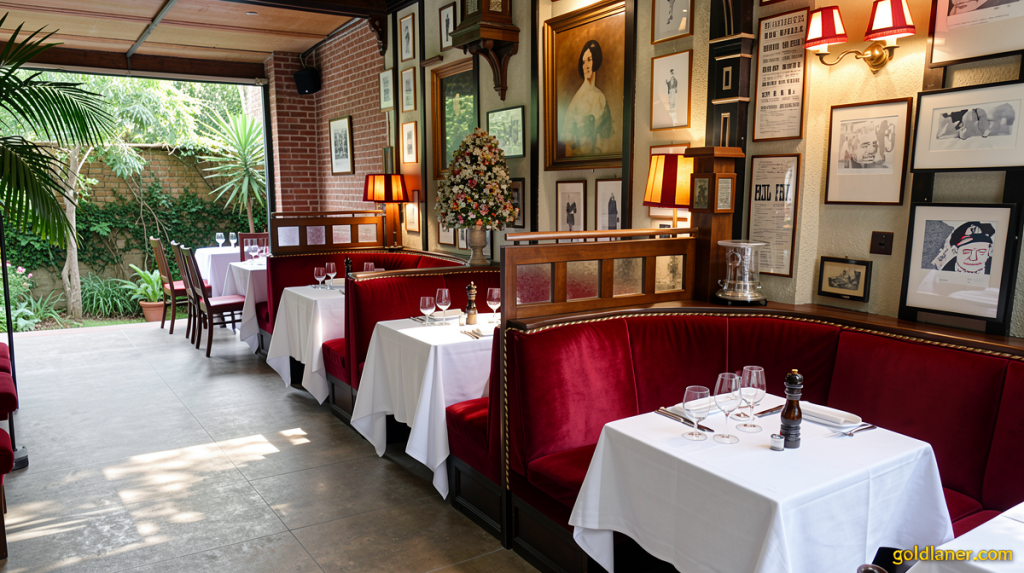
Walking through the entrance transports visitors to a bygone era. Walls display vintage mirrors, statues, and busts alongside countless drawings, cartoons, and paintings. Careful observation reveals portraits of celebrated former guests including Laurence Olivier, Buster Keaton, Clark Gable, and Charlie Chaplin.
A Personal Journey of Restoration
Ricky McMenemy has served as Rules’ guardian for 37 years, initially joining as manager before purchasing the establishment in 2022. His connection to the restaurant runs deep. “Rules for me became a surrogate child,” McMenemy reflects. “If you don’t have the passion for it, you shouldn’t do it. It just has something that catches you by the heart — it’s really a very special place, it seduces people.”
When McMenemy first arrived in 1993, the restaurant had fallen into disrepair, requiring substantial investment to restore its former glory. “It needed a lot of love and care,” he remembers. “The food, service and the décor was tired, so it took years for us to rebuild. When we ripped out the kitchen in 1993, it was Dickensian! We spent half a million pounds redoing it, which also ensured that we attracted a much better chef.”
The team pursued steady, thoughtful improvements rather than dramatic overhauls. “We never wanted it to be fossilized, or set in aspic,” McMenemy explains. “We undertook a quiet evolution, so it continues to improve.”
Wartime Resilience and Culinary Excellence
Plush red leather banquettes surround tables dressed in crisp white linens, while mounted antlers overhead signal the restaurant’s dedication to wild game. During World War II, Rules maintained operations with just two hours of lunch service, serving meals that adhered to compulsory rationing regulations. While government-restricted fare wasn’t particularly sophisticated, the restaurant navigated wartime shortages by offering wild-caught grouse, roe deer, pheasant, and rabbit—none of which faced rationing restrictions.
Today, through an exclusive partnership with estate game dealer Andy Dent, Rules sells more game than any other British restaurant. The menu celebrates the British Isles with appetizers featuring fresh Dorset crab salad, potted shrimps with toast, and Uig Lodge smoked salmon from Scotland’s Isle of Lewis. Main courses include steak and kidney pudding, roast rib of beef with Yorkshire pudding for two, and an assortment of savory pies.
The signature steak and kidney pie arrives accompanied by a silver jug of rich gravy, mashed potato, and sharp English mustard. Generously filled with quality beef and kidney, it’s crowned with golden brown pastry crust. Diners may also order this dish as a decadent steamed suet pudding, with the option to add an oyster for extra indulgence.
Critics weren’t always so generous. The 1975 “Good Food Guide” criticized waiters as being “out of sorts with life,” while another reviewer remarked that vegetables “tasted as if preserved since 1798.” These observations belong to a different era, when British cuisine was often viewed as a global punchline. Today, London stands as one of the world’s premier culinary destinations, and Rules remains a shining example of that transformation.
