
New York hopes converted offices can ease a housing crisis. A structural emergency at a high-rise tower shows the challenges
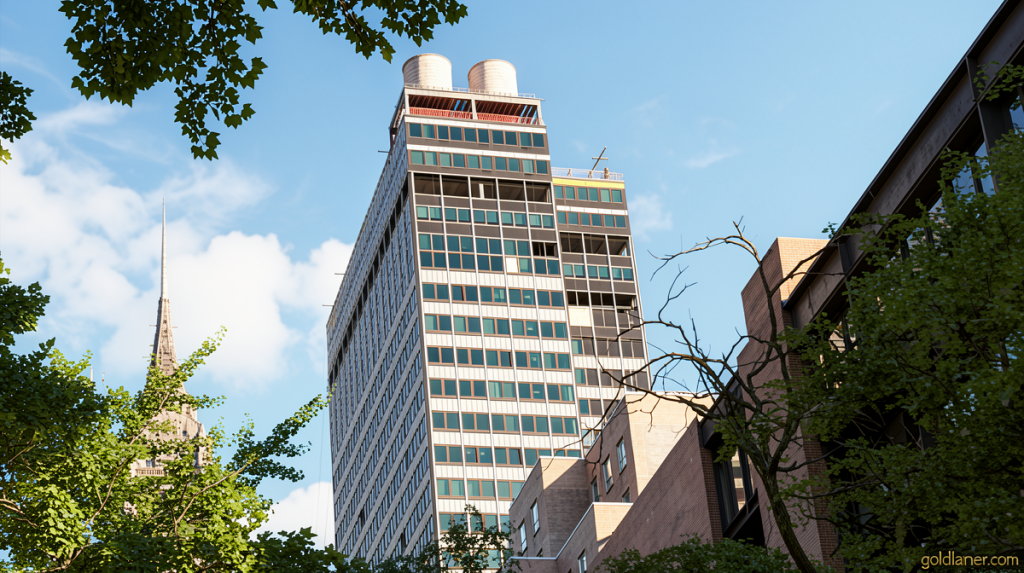
Midtown Tower Crisis Tests NYC Office Conversion Plans
New York hopes converted offices can ease – Structural concerns at a Midtown Manhattan high-rise are highlighting the difficulties facing New York hopes converted offices will solve. The former Pfizer headquarters on East 42nd Street experienced buckling columns and sagging floors, prompting evacuations of the building and nearby structures. This incident occurred as the city pushes forward with its largest-ever office-to-residential transformation project.
The emergency unfolded on Tuesday when steel columns on higher floors began to buckle. The FDNY issued warnings about potential localized collapse, noting that structural elements continued to move. Bus routes experienced delays as safety measures were implemented. Video footage captured the dramatic scene of twisting steel beams within the aging tower.
Project Scope and Timeline
Gensler serves as the architect for this ambitious development, which aims to create approximately 1,600 residential units. The project includes a rooftop pool and fitness center, with completion scheduled for 2027. The conversion involves two buildings originally constructed in the 1970s. One ten-story structure will receive nineteen additional floors, while the thirty-three-story tower undergoes recladding and reconfiguration.
Technical challenges extend beyond structural integrity. Converting office spaces requires adding kitchens and bathrooms to each unit, along with individual HVAC systems rather than centralized office climate control. Natural light presents another hurdle, as Midtown’s deep floor plates traditionally lack sufficient windows for residential living.
“The project bothered me right from the start, and now this has happened,” said Andrew Alpern, an architectural historian who expressed skepticism about the conversion from the beginning. He noted that apartments require more windows than typical office buildings.
Robert Fuller, a principal at Gensler, compared the conversion process to performing surgery. “There’s just a lot of technical challenges and unique conditions from floor to floor,” Fuller explained. “All those things collectively make this quite a unique endeavor and I would argue probably more challenging than any other one I can think of.”
Jonathan Marvel of Marvel Architects pointed out that Midtown presents greater difficulties than neighborhoods like Soho or Lower Manhattan. Adding new floors to existing structures increases complexity, particularly when dealing with aging infrastructure. The contractor has been pouring new floors every four days, according to Bloomberg reports.
Post-pandemic remote work patterns left many Midtown offices vacant, creating opportunities for residential conversion. Tax incentives have further encouraged developers to pursue these projects. The New York Comptroller is currently investigating the structural issues at the Pfizer site to determine their scope and implications for the broader conversion effort.
