
What really happened to Lizzo’s career?
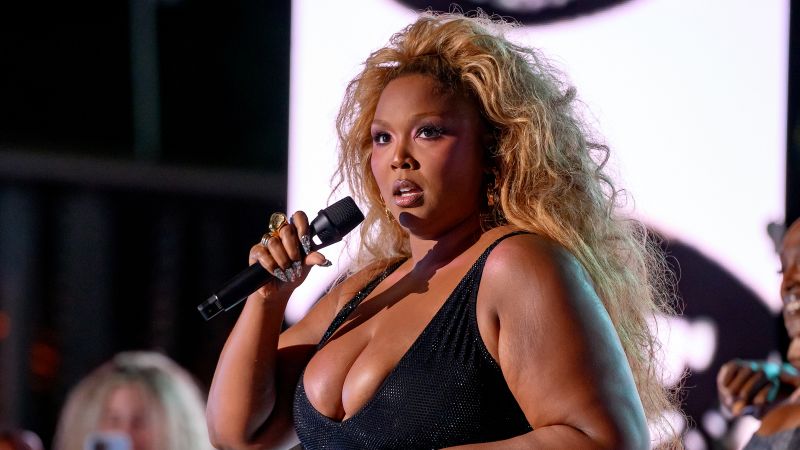
Lizzo’s Career Plateau: A Tale of Triumph and Turmoil
What really happened to Lizzo s career – With the release of her fifth album in early June, Lizzo found herself on a seemingly unstoppable streak of success. Hits like “Truth Hurts” and “About Damn Time” had catapulted her into the cultural spotlight, earning her four Grammy Awards and a global following that celebrated her unapologetic embrace of self-love and body positivity. Yet, just weeks after the album’s launch, her career trajectory took a sharp turn. Initial streaming figures on Spotify reportedly fell below one million in the first 24 hours, and sales in the first week barely reached 3,000 copies, according to Rolling Stone. The album, titled “Bitch,” failed to crack the Billboard 200 within two weeks, leaving fans and critics alike to question what had changed.
A Fall from Fame
Lizzo’s meteoric rise in 2019 had symbolized a cultural shift. As a plus-sized Black woman, she became a beacon of empowerment, challenging norms with her bold style and confessional lyrics. Her music, infused with infectious energy and unfiltered authenticity, resonated with millions who found solace in her message. But now, the 38-year-old artist is grappling with a new chapter. Social media has turned her from a celebrated icon into a subject of curiosity, with headlines asking, “What happened to her?”
On May 12, Lizzo took to TikTok to voice her frustration with the current state of the music industry. “The algorithm-based way social media functions now is destroying the music industry,” she said, explaining why some might not have even known her album was dropping just weeks prior. “If your algorithm is serving you things out of order of when they’re happening, then the general public has no idea when music is actually coming out.” Her comments reflect a growing concern about how digital platforms prioritize content, potentially overshadowing artists’ efforts to build momentum.
The Legal Backlash
While Lizzo lamented the role of algorithms, a different narrative was unfolding in the legal realm. In 2023, three dancers—Noelle Rodriguez, Arianna Davis, and Crystal Williams—filed a lawsuit against the singer and her production company, Big Grrrl Big Touring, Inc. (BGBT). The suit accused Lizzo of fostering a hostile work environment, with claims of sexual harassment, body shaming, and unfair treatment. The dancers, who described themselves as “plus size women of color,” argued that the allegations were not an attack on Lizzo personally but a call for accountability.
“
It was never our intention to take down a woman of color,” said Rodriguez, one of the plaintiffs. “It was never an intention to take down a plus size woman of color specifically.”
The three women, who have since spoken exclusively with CNN, expressed mixed emotions about the ongoing impact of their case. While they acknowledged the personal toll of the accusations, they emphasized their commitment to seeing the lawsuit through. “We were hired for a job we believed was important, especially as women with bigger bodies,” Rodriguez added. “So when all this stuff came out and everything got canceled, it was really hard.”
Chawnta’ Van, a dancer who worked with Lizzo since 2019 and was part of the lawsuit, described feeling “blindsided” and “heartbroken” by the allegations. She believed the tour members were united in their purpose, but the lawsuit disrupted that camaraderie. “As a dancer, we’re the lowest paid. We work gig by gig, literally,” Van explained. “So when all this stuff came out and everything got canceled, it was really hard.” Her account, shared through CNN, highlights the financial strain on the dancers, who rely on each performance for income.
Defense and Resilience
Lizzo’s legal team, led by Melissa Glass, has defended the singer’s reputation. In a statement, Glass dismissed the claims as “having no basis in reality.” “Not a single witness has come forward to support their allegations,” she said, noting that “their claims were refuted by 18 witnesses, including most of the other dancers on ‘The Special Tour.’” The attorney expressed confidence in Lizzo’s ability to “prevail in the case,” framing the lawsuit as a misstep rather than a defining moment.
Despite the legal and public challenges, Lizzo remains a resilient figure. Her 2019 breakthrough had already set a precedent for how artists could thrive by blending music with social advocacy. The singer had faced scrutiny for her appearance, such as when she sparked a conversation about body image at a Laker game in 2019. Yet, she had consistently defended her choices, declaring, “It doesn’t really matter what goes on on the internet, nothing really breaks my joy.” That sentiment, once a rallying cry, now feels like a distant echo.
A New Chapter
The controversy surrounding “Bitch” has sparked a broader debate about the pressures faced by public figures. Lizzo’s career, once synonymous with empowerment, now appears to be caught in the crosshairs of both industry trends and personal accountability. Her latest album, released in June 2026, has become a symbol of the challenges artists navigate in an era where social media and legal battles can shape their legacy as much as their music.
For the dancers, the lawsuit has been a pivotal moment. While they admit to feeling “traumatized” by the allegations, they also see the case as an opportunity to address systemic issues. “Our intention was not to hurt her, but to hold her accountable for the values she has publicly portrayed,” Rodriguez said. “She’s been a voice for body positivity, and we wanted to ensure she lived up to that.”
Meanwhile, Lizzo’s supporters argue that the lawsuit has unfairly derailed her progress. “It was never a smear campaign,” Rodriguez clarified. “It was never to take somebody down. I think if anything, in retrospect, I’ve actually had some sadness in the fact that it has impacted her career.” This tension between personal and professional stakes underscores the complexity of her situation. The artist who once commanded the spotlight now finds herself in the midst of a multifaceted reckoning, with every step of her career under scrutiny.
As the months pass, the question of what really happened to Lizzo’s career continues to evolve. While the album’s performance may not have matched her earlier success, the narrative around her is far from over. Whether the lawsuit or the algorithm is to blame, Lizzo’s story remains a reflection of the shifting tides in the music industry and the personal sacrifices that come with fame. For now, the world watches, waiting to see if the momentum will return—or if this is a turning point for a once-unstoppable force.
