
Russia is burning, but don’t expect Putin to blink
Russia is burning, but don’t expect Putin to blink
Moscow’s Fuel Crisis Deepens
Russia is burning but don t expect – Across Moscow, residents are queuing for fuel, reflecting a growing scarcity that has become a daily reality. Drivers, frustrated and weary, endure long waits at gas stations, a stark contrast to the city’s usual comfort amid Russia’s status as a global energy powerhouse. This situation, emerging in the fifth year of the conflict, has exposed the cracks in the Kremlin’s narrative of a “special military operation,” as the war’s toll begins to seep into everyday life. Independent observers note that the shortages are unprecedented, with some citizens spending entire days scouring the streets for gasoline—despite the city’s historical insulation from the war’s immediate effects.
Ukrainian Drone Campaign Targets Russian Infrastructure
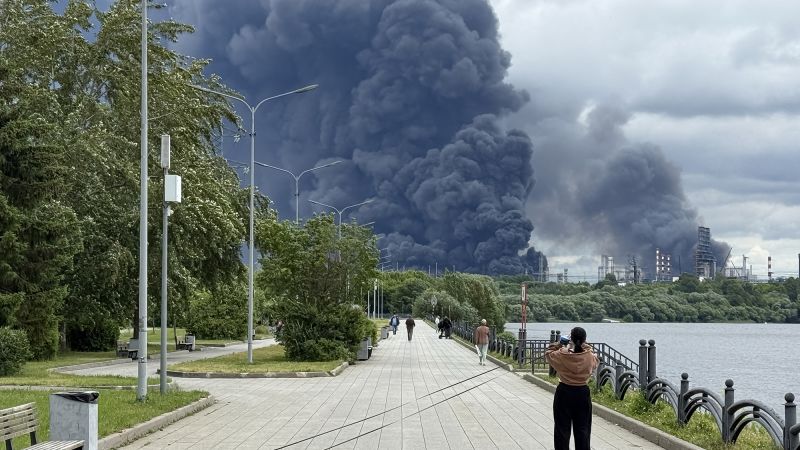
The recent surge in Ukrainian drone attacks has dealt a significant blow to Russia’s energy sector, disrupting supply chains and straining the nation’s resources. In a single night last week, the country reported intercepting 660 drones across 12 regions, marking one of the largest such assaults since the full-scale invasion began in 2022. These strikes are not random; they target key assets like refineries, oil terminals, and military facilities, aiming to cripple the Russian war economy. By striking deep within Russian territory, Ukraine has shifted the conflict’s dynamics, forcing Moscow to confront the economic fallout of its prolonged campaign.
“The situation in 2026 is very different from 2025. Russia’s fatigue is openly showing.”
Independent media reports highlight the growing impact of these attacks, with fuel stations across the country struggling to meet demand. In Crimea, annexed in 2014, the state of emergency has led to a suspension of fuel sales, underscoring the crisis’s reach. While the Kremlin has long downplayed such setbacks, the visible strain on resources is hard to ignore. Putin’s emergency meeting this weekend revealed that national gasoline reserves have dwindled to critical levels, a admission that contradicts earlier claims of stability.
Kremlin’s Response and Growing Concerns
Putin’s acknowledgment of the fuel shortage signals a shift in the Kremlin’s approach. During the meeting, he admitted that “problems for drivers and for businesses persist,” a rare concession from a leader who has typically framed the war as a necessary endeavor. The president also warned of the broader economic risks, stating that Ukraine’s strikes threaten “civilian targets and infrastructure,” a subtle reframe from his previous dismissal of the attacks as inconsequential. This language change hints at a deeper realization of the war’s costs, though officials remain focused on maintaining morale.
Meanwhile, a task force has been established to address fuel shortages, with Putin indicating a potential diesel export ban. His deputy prime minister had earlier denied the need for such a measure, but the president’s intervention suggests that the situation is more dire than previously stated. The move reflects a growing urgency to stabilize the domestic economy, even as the war continues to exact its toll.
Western Reactions and Strategic Shifts
The Ukrainian campaign has not gone unnoticed by Western leaders. At the G7 summit in France, European Commission President Ursula von der Leyen framed the conflict as a turning point, emphasizing Ukraine’s resilience and Russia’s increasing strain. “The tide is turning for Ukraine,” she declared, citing the country’s recent territorial gains as evidence of progress. Analysts argue that the drone attacks have disrupted Russian fuel supplies and military logistics, slowing Moscow’s momentum on the battlefield.
“Russia should make a deal,” said Donald Trump, a tone that contrasted with his earlier support for the war effort. Days later, he praised Ukrainian President Volodymyr Zelensky as “courageous” and “doing pretty well,” a subtle pivot that aligns with the G7’s broader optimism.
Experts at the Council on Foreign Relations highlight how the escalation of drone operations in February contributed to Ukraine reclaiming 78 square miles of territory, reversing a trend of Russian advances. This success has emboldened Western allies, who now see the conflict as a test of endurance for Moscow. The economic and political pressures are mounting, with the war’s impact on fuel infrastructure becoming a focal point for both domestic and international scrutiny.
For years, Russia’s strategy in Ukraine centered on targeting energy systems to weaken civilian morale and destabilize the economy. Power stations, heating plants, and substations were systematically destroyed, creating a war of attrition. Now, Ukraine has mirrored this approach, striking at Russia’s own energy infrastructure and forcing the Kremlin to adapt. The result is a cycle of retaliation and vulnerability, with Russians beginning to feel the brunt of what was once a one-sided conflict.
As the war enters its fifth year, the strain on Russia’s resources is becoming undeniable. The fuel crisis, combined with the drone campaign’s impact on military logistics, has created a situation where the Kremlin’s narrative of dominance is increasingly challenged. While Putin remains committed to his war goals, the growing shortages and economic pressures suggest that the path forward may be more complicated than anticipated. The question now is whether these challenges will lead to a strategic retreat or simply reinforce the Kremlin’s resolve.
Despite the setbacks, Russia continues to press its military efforts, with the war’s outcome remaining uncertain. The country’s ability to sustain its operations hinges on its capacity to replenish fuel supplies and maintain economic stability. Yet, the recent attacks have exposed the fragility of this position, raising concerns about the long-term viability of the conflict. As the dust settles from the latest strikes, the focus shifts to how Moscow will respond—and whether the pressure will force a change in its approach.
