
Alligators injure three, one fatally, in string of attacks in Florida
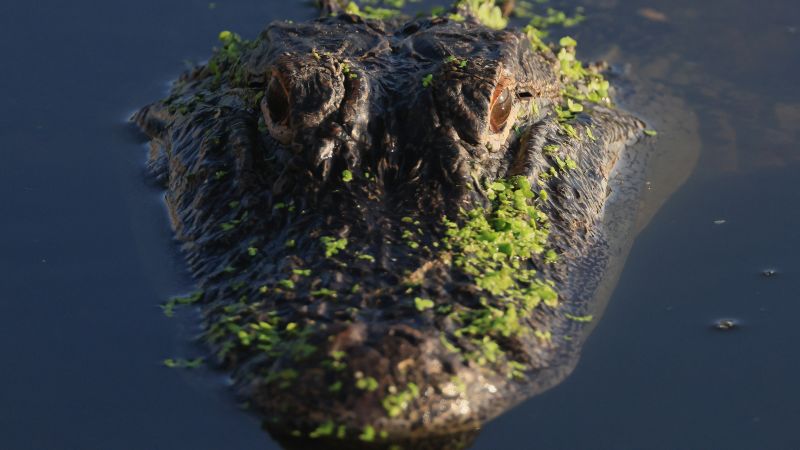
Alligators Injure Three, One Fatally, in Recent Attacks Across Florida
Alligators injure three one fatally in string – Over the past week, Florida has experienced a series of alarming alligator encounters, with the most recent incident resulting in the death of a 31-year-old woman. According to the Florida Fish and Wildlife Conservation Commission (FWC), while serious interactions with these reptiles remain uncommon, the state has recorded three attacks in just seven days. Two of these incidents occurred within 24 hours of each other, as reported by CNN affiliate WESH. The latest fatality took place on June 29, 2026, when the woman was swimming with her boyfriend and a friend in the Econlockhatchee River, a waterway located just north of Orlando.
The FWC confirmed that the attack happened in the afternoon, with the woman sustaining severe injuries after being bitten by an alligator. Her boyfriend attempted to pull her from the creature’s jaws, but she was later transported to a local hospital where she succumbed to her wounds. A 911 caller described the extent of her injuries as “devastating,” noting that the woman suffered multiple bites to both arms. Wildlife officials captured a 13-foot alligator at the scene and a 12-foot one nearby, suggesting that either could have been responsible for the attack.
In a separate incident, a boy was attacked on June 28 at Nelson’s Fish Camp in Marion County, where he was fishing with his father. The boy sustained a hand injury from the bite of an alligator, which led authorities to temporarily close the river. The Marion County Sheriff’s Office later located and removed the 8-foot-7-inch gator that caused the harm, which was then euthanized. A snorkeler was also bitten on June 21 at Rainbow River, a location approximately 100 miles away from the fatal incident in Seminole County. These cases highlight the unpredictable nature of alligator activity in Florida’s waterways.
Florida’s Alligator Population and Human-Wildlife Interactions
Florida is home to an estimated 1.3 million alligators, yet attacks on humans are relatively rare. According to the FWC, the state averages about eight unprovoked bites per year. This figure underscores the low likelihood of encountering these creatures in a dangerous situation, though the recent surge in incidents has raised concerns among residents and officials. The FWC operates a statewide program aimed at addressing complaints about specific alligators believed to pose a risk to people, pets, or property. This initiative includes tracking, monitoring, and sometimes relocating or euthanizing aggressive individuals.
While the current wave of attacks has been unsettling, experts emphasize that such events are still uncommon. Since 1948, Florida has documented over 450 alligator attacks, with only 30 resulting in fatalities. Last year alone, there were 13 reported attacks, including two deaths and a mix of major and minor injuries. The FWC data suggests that the majority of incidents involve low-risk behaviors, such as walking near water or being on land, which rarely lead to confrontations. However, the study by researchers from the University of Florida and Centre College in Kentucky reveals that fatal attacks are more likely when individuals engage in high-risk activities, like entering known alligator habitats.
Expert Perspectives on Preventing Alligator Attacks
Dr. Frank Mazzotti, a professor of wildlife ecology at the University of Florida and one of the study’s authors, highlighted the importance of awareness during recreational activities. “Situational awareness and informed choices, especially when exploring alligator country, can help protect both people and wildlife,” he stated when the findings were published last year. The study found that many bites can be avoided if individuals take precautions, such as avoiding waterways during dawn or dusk when alligators are most active.
“Many bites can be prevented if humans are aware of their surroundings and minimize risky behaviors,” Mazzotti added. His research underscores that while alligators are often seen as a natural part of Florida’s ecosystem, their interactions with humans depend on human actions. For example, the woman’s fatal attack occurred during a recreational swim, which the study categorizes as a high-risk scenario. Similarly, the boy’s injury while fishing aligns with the FWC’s observation that proximity to water and lack of vigilance increase the chance of an encounter.
Residents in affected areas have expressed worry about the frequency of attacks. Leia Vieira, a hiker in the region, noted to WESH that she had frequently seen large alligators in the area but had never witnessed an attack. “I’ve seen really big gators in here. I’ve never heard of an attack, though,” she said. This sentiment reflects the broader perception that alligators are more of a nuisance than a direct threat, but the recent incidents have shifted public concern.
Experts recommend that Floridians take simple measures to reduce risks. These include avoiding swimming in shallow waters during early morning hours, keeping a safe distance from alligators, and being cautious when walking near water sources. The FWC also encourages reporting sightings of aggressive gators to help track and manage potential threats. Despite these precautions, the recent string of attacks has prompted calls for increased monitoring and public education efforts, particularly in areas with high alligator activity.
Broader Implications for Florida’s Ecosystem and Communities
While the attacks are concerning, they also serve as a reminder of the delicate balance between Florida’s wildlife and human populations. The state’s efforts to coexist with alligators include habitat preservation and public outreach programs. However, the recent incidents have put a spotlight on the need for improved safety measures, especially in recreational zones. The FWC’s data shows that the number of attacks has remained steady over the years, with the latest fatalities being a rare but significant occurrence.
For now, the focus is on recovering from these events and ensuring that similar tragedies are prevented. The capture of the 13-foot gator in the Econlockhatchee River and the 12-foot one nearby has provided officials with valuable insight into the behavior of the creatures involved. As the state continues to manage its alligator population, residents are being urged to remain vigilant and informed. With a combination of proactive monitoring and public awareness, Florida aims to maintain its reputation as a place where humans and alligators can live in harmony, even as the threat of encounters persists.
