
Medicare will start covering weight-loss drugs on July 1 for the first time. Here’s what you need to know
Medicare Begins Covering Weight-Loss Drugs July 1: What You Need to Know
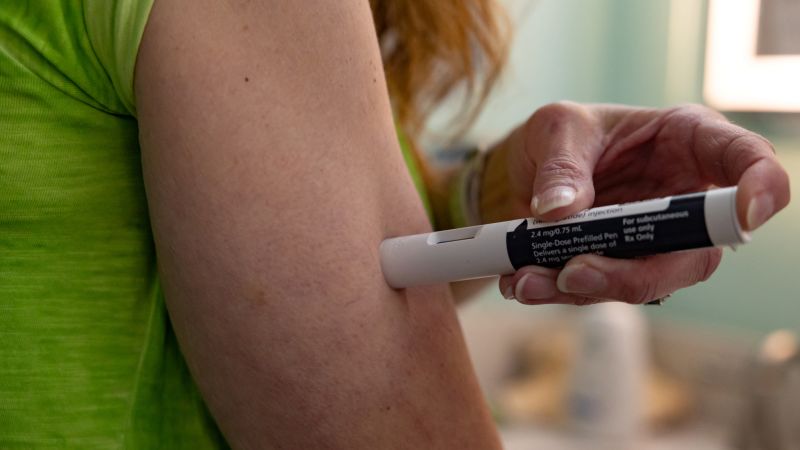
Medicare will start covering weight loss – Starting July 1, Medicare will begin covering weight-loss drugs for the first time through a temporary pilot program. This move, known as the Medicare GLP-1 Bridge, marks a pivotal shift in the federal health program’s approach to obesity, recognizing it as a medical condition rather than just a lifestyle issue. For millions of beneficiaries, this change could make medications like Wegovy and Zepbound more affordable, offering a new tool to combat weight-related health challenges. The initiative aims to address the rising costs and accessibility barriers that have limited access to these treatments for years.
How the Pilot Program Works for Medicare Beneficiaries
The GLP-1 Bridge program is designed to expand coverage to specific groups of seniors. Enrollees in Part D drug plans may qualify if they meet certain health criteria, such as a body mass index (BMI) of 35 or higher. Those with a BMI between 30 and 35 could also be eligible if they have conditions like uncontrolled high blood pressure, prediabetes, or a history of heart disease. The program excludes individuals with type 2 diabetes or severe sleep apnea, ensuring resources target those most at risk from obesity-related complications.
For example, Mary Abrahamson, a 71-year-old retiree from Washington, has used a compounded version of tirzepatide for two years at a cost of $200 per month. With the new coverage, she could access Wegovy and Zepbound for just $50 monthly, allowing her to save on other essentials like home repairs or travel. Her husband, Jeff, 77, shared similar enthusiasm, noting the program’s potential to ease financial burdens and improve health outcomes for seniors.
Why This Change Matters for Seniors and Healthcare Policy
The pilot program follows a 2025 agreement between the Trump administration and drugmakers Eli Lilly and Novo Nordisk, which aimed to lower the prices of blockbuster weight-loss medications. While Medicare has historically excluded such drugs from coverage, the Centers for Medicare and Medicaid Services (CMS) can test new payment models through demonstration projects. This trial evaluates whether GLP-1 drugs are effective in managing obesity and related conditions like heart disease and diabetes.
Experts argue that obesity should be treated like any chronic illness, with access to medications that can reduce health risks. Dr. Catherine Varney, an obesity medicine director at the University of Virginia, emphasized that many patients with prediabetes or high blood pressure have struggled to afford GLP-1 drugs out of pocket. “They’re ticking time bombs,” she said, highlighting the program’s role in preventing long-term health crises for vulnerable seniors.
Real Stories Behind the Policy Shift
Abrahamson’s experience reflects a growing need among Medicare recipients. For years, she and her husband faced high out-of-pocket costs, sometimes exceeding $1,000 per month, which forced them to ration medications. The Bridge program provides a critical respite, allowing them to prioritize health over expenses. “This weight loss has changed my life,” Abrahamson said, citing improved energy and relief from sleep apnea. Her husband added that the program could make a difference for others in similar situations.
Patty Nece, a former chair of the Obesity Action Coalition, praised the initiative for its broader implications. She noted that the pilot not only lowers costs but also signals a shift in how obesity is perceived in healthcare. “It’s about treating this condition with the same urgency as other diseases,” Nece explained. The program’s temporary nature means it’s a test case, but its success could pave the way for permanent coverage, ensuring more seniors can benefit from weight-management treatments.
