
How to help those affected by the earthquakes in Venezuela
How to Help Those Affected by the Earthquakes in Venezuela
The Devastation of the Earthquakes
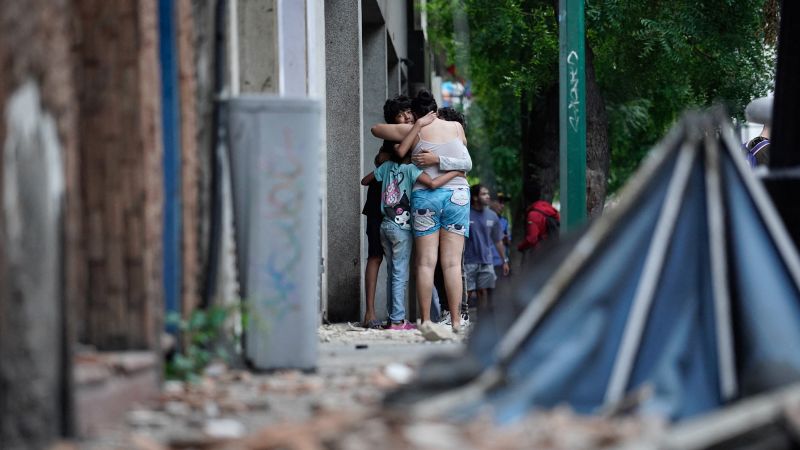
How to help those affected by – On Wednesday, June 25, a series of earthquakes shook Venezuela, leaving a trail of destruction across the nation. The most recent tremor, which registered as the strongest in over a century, compounded the damage caused by an earlier quake. According to the National Assembly president, the disaster has claimed at least 188 lives and left more than 1,500 individuals injured. The impact has been felt most acutely in regions where infrastructure was already strained, particularly in the capital city of Caracas and surrounding areas.
Residents in affected zones described the chaos of the event, with many caught off guard by the suddenness of the shaking. Buildings collapsed, roads cracked, and utilities were disrupted, leaving thousands without access to basic services. The National Assembly president emphasized the urgency of the situation, stating that the combined effects of the two quakes have created a humanitarian crisis requiring immediate attention. “This is not just a natural disaster—it’s a moment that tests the resilience of our communities,” they said, urging both national and international support.
Geologists have identified the tremors as part of a seismic event linked to tectonic activity along the Caribbean Plate. While the exact cause is still under investigation, experts warn that the region remains vulnerable to such occurrences. The second quake, measuring 7.3 on the Richter scale, struck with such intensity that it was felt hundreds of kilometers away. Its epicenter was located near the western coast, an area known for its mountainous terrain and dense population.
Search and Rescue Efforts
Emergency teams have been working tirelessly to locate survivors trapped beneath rubble. Search and rescue operations are ongoing, with volunteers and military personnel collaborating to navigate the debris-filled streets. Rescue workers have faced significant challenges, including unstable structures and difficult terrain, but have managed to recover several victims in the critical hours following the quake.
Local authorities have set up temporary shelters in response to the crisis, providing refuge for families displaced by the destruction. These facilities are equipped with essentials like water, food, and medical supplies, though demand far exceeds available resources. Health officials report that dozens of people are still receiving treatment for injuries, with hospitals overwhelmed by the influx of patients.
International aid has begun arriving in the country, with neighboring nations offering support in the form of medical teams and equipment. The United Nations has also deployed specialists to assess the situation and coordinate relief efforts. “The global community must come together to support Venezuela during this time of need,” said a spokesperson from the UN’s disaster response division. “Every contribution counts in the fight to save lives and rebuild.”
Charitable Contributions and Volunteer Work
Charities and non-profit organizations have been instrumental in delivering aid to affected communities. Groups such as Impact Your World are mobilizing resources to provide emergency assistance, including food, clean water, and temporary housing. These organizations are working closely with local leaders to ensure that aid reaches the most vulnerable populations, particularly children and the elderly.
Donors can contribute to relief efforts through various platforms, with online forms and direct links enabling immediate support. The article encourages readers to visit the provided link to make donations or complete a form, highlighting the ease of participation in the global response. “Every dollar can make a tangible difference,” stated a volunteer coordinator, adding that funds are being allocated to both immediate needs and long-term recovery projects.
Volunteers have also been mobilized to assist in distribution efforts, with teams working in teams to transport supplies to hard-hit areas. Local churches and community centers have become makeshift distribution hubs, where people gather to receive aid. “The spirit of solidarity is strong here,” noted a community leader, “and we’re seeing incredible efforts from people who want to help rebuild their homes and lives.”
How to Get Involved
Individuals and organizations are invited to participate in the relief efforts through multiple avenues. Monetary donations are the most direct way to support the response, but other forms of assistance, such as providing medical supplies or offering temporary shelter, are equally valuable. The article highlights the importance of collective action, stressing that the combined efforts of the public and private sectors can accelerate recovery.
For those interested in donating, the form provided allows for seamless contributions. Donors can choose to support specific initiatives, such as rebuilding infrastructure or funding medical care for the injured. Additionally, the link to the online platform enables users to explore the impact of their donations, ensuring transparency in the allocation of resources.
Volunteers are encouraged to sign up through local chapters of disaster relief groups or by contacting the coordinating organizations directly. These groups are organizing training sessions to prepare volunteers for roles in distribution, medical triage, and community outreach. “Your time and energy are as important as your financial support,” said a volunteer organizer, urging people to take part in the recovery process.
The situation in Venezuela remains fluid, with new challenges emerging daily. Impact Your World has committed to monitoring the crisis and updating the list of vetted organizations as they gain operational capacity. The group also plans to share real-time updates on the progress of relief efforts, ensuring that donors have the latest information to guide their contributions.
Language and Cultural Considerations
While the disaster has been widely reported in English, the article acknowledges the importance of Spanish-language coverage. “Sigue nuestra cobertura en español” is included as a reminder that the situation is being documented in the local language, ensuring that Venezuelans and Spanish-speaking communities stay informed. This dual-language approach reflects the country’s cultural diversity and the need for accessible information across all populations.
Residents have also been sharing their experiences through social media, providing a firsthand perspective on the quake’s impact. These accounts, often accompanied by photographs and videos, have helped raise awareness on a global scale. “The devastation is real, and the stories from the ground are heartbreaking,” said a social media advocate, emphasizing the role of digital platforms in amplifying the crisis.
As the recovery process continues, the focus remains on providing sustained support to affected communities. Impact Your World and its partners are working to ensure that aid is not only immediate but also long-lasting, addressing both the physical and emotional toll of the disaster. The article serves as a call to action, inviting readers to contribute to this collective effort and help Venezuela emerge stronger from the crisis.
“The resilience of the Venezuelan people is undeniable, but they need our help to overcome this challenge together.”
With each passing day, the situation evolves, and the response efforts adapt to meet the changing needs. Whether through donations, volunteering, or spreading awareness, individuals have the power to make a meaningful impact. The combined efforts of the global community can provide the necessary resources to rebuild lives and restore hope in the aftermath of such a catastrophic event.
