
Mangione’s attorneys say they won’t argue psychiatric defense in state murder trial – one day after indicating they would
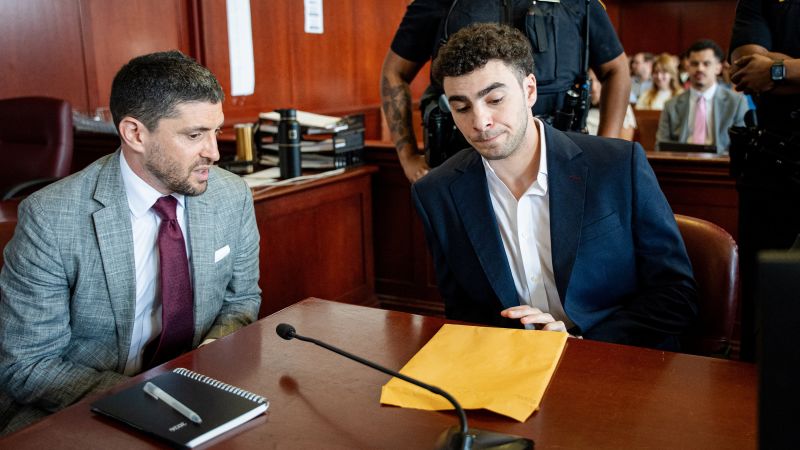
Mangione’s Lawyers Withdraw Psychiatric Defense in State Trial
Defense Strategy Shifts Amid Media Scrutiny
Mangione s attorneys say they won t – Mangione’s attorneys say they will no longer argue a psychiatric defense in his New York state murder trial, a decision made just one day after they had hinted at pursuing it. This reversal has sparked debate among legal experts, as the team’s initial plan was to claim that the killing of UnitedHealthcare CEO Brian Thompson resulted from an extreme emotional disturbance. By withdrawing the defense, Mangione’s legal representatives have left the prosecution with an opportunity to reshape their narrative without the potential mitigating factor of mental health.
The move by Mangione’s attorneys comes as the trial approaches, with public attention intensifying. Their initial statements suggested the psychiatric defense could be a key element in defending the accused, but they now appear to have opted for a more straightforward approach. Legal analysts note that this strategic change might be influenced by the strength of the evidence against Mangione, which could make a mental health argument less impactful. Mangione’s attorneys say they believe this decision will strengthen the trial’s focus on the facts and circumvent potential jury bias.
Psychiatric Defense and Legal Standards
A psychiatric defense relies on proving that the accused acted under an extreme emotional disturbance, a legal standard that must be met to reduce charges from murder to manslaughter. Mangione’s attorneys say they had planned to present evidence showing the defendant’s mental state at the time of the shooting. However, they decided to abandon the strategy, leaving the prosecution to proceed with its case unchallenged on that front. This decision may reflect a reassessment of the best path forward in light of recent developments.
Judge Gregory Carro’s earlier intent to unseal records related to the psychiatric defense has now been put on hold. Mangione’s attorneys say the withdrawal of the defense was a calculated move to maintain control over the narrative. By keeping the documents sealed, the court may be protecting the defense’s strategy, ensuring that jurors are not influenced by early revelations about Mangione’s mental health. The judge’s decision highlights the strategic importance of secrecy in high-stakes legal proceedings.
Public Perception and Trial Dynamics
Mangione’s attorneys say they were concerned about the psychological impact of revealing the psychiatric defense prematurely. They argued that exposing this angle could sway jurors before all evidence is presented, creating a potential bias in favor of the defendant. In a sealed hearing, one of the lawyers explained that the defense’s timing was crucial, as the case has already drawn widespread media coverage. “Mangione’s attorneys say they want to focus on the facts of the crime rather than mental health factors,” remarked a legal analyst, noting the tension between defense and prosecution strategies.
“The sudden shift by Mangione’s attorneys say they are taking is significant,” said Gary Galperin, a former prosecutor. “It’s unclear whether this change was a strategic win or a setback for the defense. But the decision shows how quickly legal tactics can evolve in the face of pressure.”
Galperin added that the prosecution is likely preparing to present a compelling case, given the evidence linking Mangione to the crime scene. Mangione’s attorneys say they may have found the mental health argument less viable, or that the evidence against him was too strong to be undermined by a psychiatric defense. This move could also signal a broader strategy to appeal to a jury that prioritizes intent and premeditation over mitigating factors.
Case Background and Trial Timeline
The shooting of Brian Thompson occurred in December 2024, during his annual investors’ conference in Midtown Manhattan. Mangione is charged with murder and weapons offenses, with the state trial set to begin in September. Mangione’s attorneys say they are prepared to defend the case through a traditional criminal narrative, emphasizing the defendant’s actions and motives rather than psychological factors. The prosecution aims to establish a clear link between Mangione and the incident, using the sealed hearing as a starting point for their case.
With the psychiatric defense now withdrawn, the trial’s trajectory may shift. Mangione’s attorneys say they are confident in their approach, believing the evidence of premeditation and intent will be decisive. The decision to abandon the defense reflects the complex interplay of legal strategy, media influence, and the need to maintain a strong case presentation. As the trial proceeds, the focus will remain on the defendant’s actions and the prosecution’s ability to convince the jury of his guilt without the mental health angle.
