
A judge orders ICE to free a Wisconsin mosque leader, citing a ‘substantial’ free speech claim
Judge Orders ICE to Release Wisconsin Mosque Leader Over Free Speech Claim
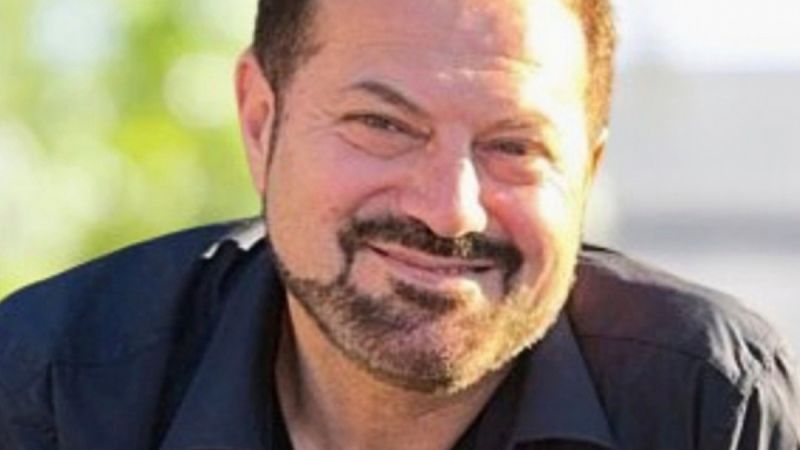
A judge orders ICE to free – In a landmark ruling, US District Judge James Patrick Hanlon mandated the release of Salah Sarsour, the leader of Wisconsin’s largest mosque, from immigration detention. The decision followed the government’s failure to justify his prolonged hold on grounds of national security, with Hanlon citing a “substantial” free speech argument as central to his order. Sarsour, a legal permanent resident born in Palestine, had been detained since March 30, 2026, by ICE agents. His attorneys contended that his detention was a political move targeting his advocacy for Palestinian rights, while the government framed him as a foreign policy threat.
The Legal Battle and Community Ties
Salah Sarsour’s detention sparked a legal challenge centered on his constitutional rights. The judge highlighted that his 30-pound (14 kg) weight loss and monthly blood sugar monitoring during custody demonstrated inadequate healthcare, further supporting his claim of mistreatment. Hanlon noted the government had previously evaluated his naturalization eligibility multiple times, yet delayed action until 2026, raising questions about timing. “The First Amendment shields speech from government overreach,” the ruling stated, underscoring that Sarsour’s advocacy alone did not justify his detention.
A judge orders ICE to free – The decision was hailed as a victory for free speech, with Sarsour’s family celebrating his return to Milwaukee. Kareem Sarsour, his son, described the ordeal as a “nightmare,” emphasizing that his father’s health was endangered in a basement cell for advocating Palestinian rights. The family’s nine grandchildren and spouse, all US citizens, faced the emotional strain of separation. “My dad is a voice for the voiceless,” Kareem said, framing the case as a broader assault on free expression in the US.
Health Risks and Government Defense
During his 80-day detention, Sarsour’s legal team raised concerns about his Type 2 diabetes and the lack of timely medical care. They argued that his monthly blood sugar checks could have led to severe complications. The Department of Homeland Security (DHS) defended its actions, citing Sarsour’s 1989 and 1995 convictions under Israeli military law. However, Sarsour’s attorneys challenged these records, claiming they were insufficient to justify his current status as a national security risk.
Despite the government’s awareness of Sarsour’s past convictions for 25 years, Hanlon questioned the relevance of those to his recent detention. “The argument that Sarsour’s speech is a threat is not enough to detain him for 80 days,” the judge wrote, emphasizing that the government’s reliance on political motives undermined his rights. This ruling has reignited discussions about ICE’s use of detention as a tool for ideological targeting.
Broader Implications for Immigration Policy
The case has drawn attention to systemic issues in ICE’s treatment of long-term residents. An investigation by KFF Health News and the Associated Press revealed that hundreds of detainees in 33 states have filed lawsuits over inadequate medical care. Sarsour’s situation highlights how chronic conditions like diabetes can be exacerbated by prolonged detention, with legal teams arguing that such neglect violates due process. “This is a sobering reminder of the risks faced by lawful residents,” one expert noted, citing the ruling’s potential impact on future immigration cases.
A judge orders ICE to free – As Sarsour prepares to resume his role in the community, the decision underscores the tension between national security and individual freedoms. While the government maintains that Sarsour’s actions pose a threat to foreign policy, his release marks a pivotal moment for advocates of free speech. The case will likely be cited in debates about how immigration authorities balance public safety with constitutional protections, setting a precedent for similar legal challenges in the future.
