
Americans are divided on ‘culture war’ issues, a new CNN poll finds. Republicans are trying to leverage that in the midterms
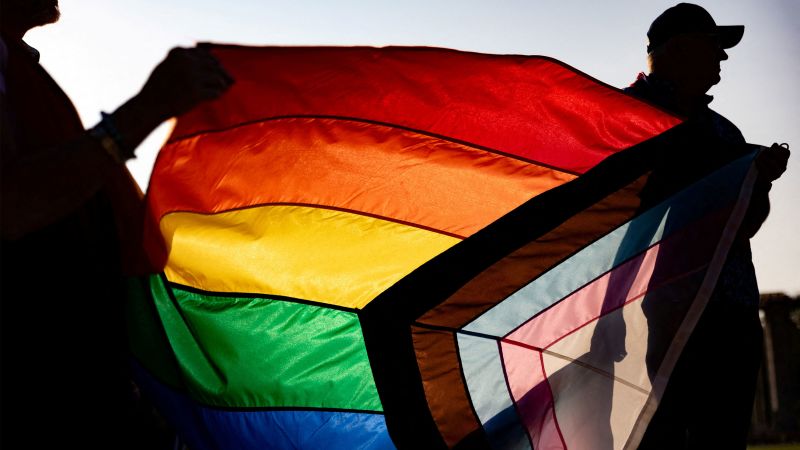
CNN Poll Reveals Sharp Divide on Cultural Issues as Republicans Use the Trend in Midterm Campaigns
Americans are divided on culture war issues – As the midterm elections draw closer, a new CNN poll conducted by SSRS highlights a deepening rift among Americans over cultural issues. While the economy remains the top concern for most voters, the divide over topics like gender identity, social behavior, and political correctness is shaping the strategies of Republican candidates. This polarization, framed as a “culture war,” is being weaponized to create vulnerabilities for Democrats, with GOP leaders positioning themselves as defenders of traditional values against what they perceive as a liberal overreach.
Political Strategy Amid Cultural Controversies
Republicans have increasingly targeted candidates who have made controversial statements on social issues, such as James Talarico, a Texas state representative. Talarico once argued that there are six sexes, asserted that “God is nonbinary,” and emphasized the importance of reducing meat consumption to address climate change. These remarks, which have been labeled as “woke” by opponents, have now become a point of contention in his campaign. Talarico recently distanced himself from some of his earlier views, calling them “cringey” in a CBS News interview. His evolving stance reflects a broader trend of politicians adjusting their positions to align with current public sentiment.
Despite the economy dominating voter priorities, Republican operatives are leveraging cultural debates to mobilize their base. This approach is evident in the onslaught of advertisements criticizing opponents for being too progressive or for failing to combat “woke” ideologies. In South Carolina, Lt. Gov. Pamela Evette has used the term “woke mob” to describe a perceived threat from liberal institutions, claiming in campaign ads that she will ensure these groups face consequences if they cancel conservative voices. “I’ll make sure that if liberal institutions cancel conservatives, we cancel their funding,” she declared, positioning herself as a guardian of free speech against what she calls an overzealous left.
Public Opinion on Cultural Acceptance
The CNN poll underscores that Americans are split on whether society has moved too far in embracing diversity in gender, culture, and sexual orientation. Nearly half of respondents believe that current levels of acceptance have crossed a threshold, while more than half disagree. This divide is even more pronounced among specific demographics, with Republicans and independents showing a significant shift in their views over the past year. The share of people who think society has gone too far in its inclusivity has increased by six percentage points since last summer, driven by a growing alignment between Republicans and independents on the issue.
Eighty percent of Republicans now express the belief that cultural acceptance has reached an excessive level, while 47% of independents share this perspective. The poll also reveals that Americans are evenly split on whether the greater social problem is excessive caution in speech or a lack of concern for offensive remarks. However, when it comes to traditional gender roles, the divide becomes more stark. Only a third of Americans think the country would be better off returning to 1950s ideals, while 45% argue it would be worse. This shift, which has largely been shaped by the growing consensus among women, suggests that perceptions of cultural progress are evolving rapidly.
Case Studies in Cultural Battle
Talarico’s situation exemplifies how cultural issues are being used to undermine Democratic candidates. In Texas, GOP advertisements have focused on his past comments, highlighting what critics see as a lack of consistency. Talarico admitted in a recent interview that some of his statements “missed the mark,” but he accused his Republican opponent, Ken Paxton, of “intentionally clipping my cringey comments to distract from” his own political weaknesses. This tactic is not unique to Talarico—candidates like David Flippo in Nevada have also used similar strategies. Flippo’s campaign attacked his main rival, James Settelmeyer, for voting in favor of liberal policies, accusing him of “pretending to be a Republican” while promoting “woke” values.
The rhetoric around cultural issues has intensified within GOP primaries, where candidates face a largely receptive audience eager for a backlash against progressive ideas. During his second term, President Donald Trump positioned rolling back diversity initiatives as a central theme, setting a precedent for current Republicans. This strategy has since been adopted by figures like Evette, who has framed her campaign around the idea that cultural acceptance is eroding American values. “Some people will cancel people for something so insignificant it’s not even worth having a conversation with them,” said Ed Shedlock, a Republican from Louisiana who participated in the survey. His comment captures the frustration felt by many in the party who view the cultural shift as a threat to political stability.
Democratic Counterpoint: Embracing Inclusivity
Democrats and Democratic-leaning independents hold a contrasting view, with 60% of respondents in the poll stating that society hasn’t gone far enough in accepting diversity. This perspective is rooted in the belief that cultural progress is still necessary to protect marginalized groups. Danny Minaya, a Democrat from New York, emphasized this point in the survey: “The best part about being an American is that we stand up for each other. You fight for the little guy, you stand up for the person that’s being shitted on, you stand up for the person that needs their rights protected. Right now, it doesn’t seem like we’re doing that.” His sentiment reflects a broader argument that the culture war is being used to suppress voices that advocate for social equity.
While the Democratic base remains unified in its support for inclusivity, there are still internal divisions. The poll found that women are more likely than men to view offensive speech as a problem and to believe that society hasn’t embraced differences enough. This 14-point gap among Democrats and leaners highlights the gendered nature of cultural debates, with women often acting as the driving force behind the push for greater acceptance. Meanwhile, Republicans continue to frame these issues as a national crisis, using them to rally support and isolate opponents in a politically charged environment.
Implications for the Midterms
As the culture war intensifies, its impact on the midterms is becoming more pronounced. GOP candidates are not only critiquing their opponents but also using the issue to appeal to voters who feel disconnected from mainstream cultural trends. The shift in public opinion, particularly among independents, suggests that the party may have a strategic advantage in shaping the narrative around social issues. However, the Democratic perspective remains strong, with many voters believing that the country still has room to grow in terms of inclusivity and equality.
