
Sam Bankman-Fried asks Trump for a pardon
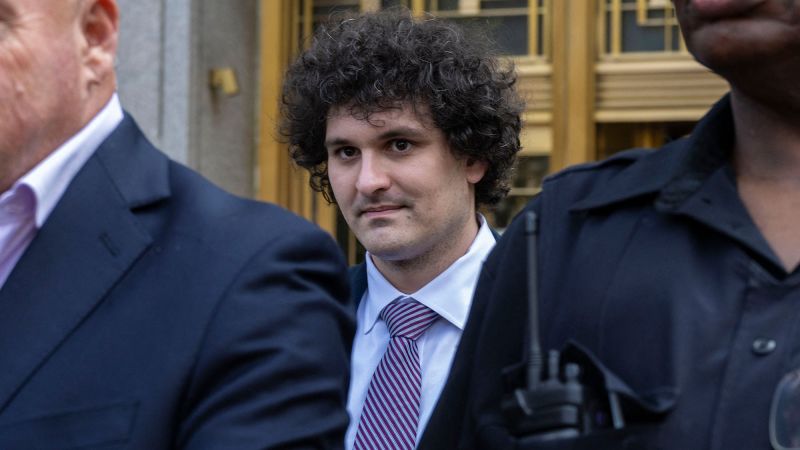
Sam Bankman-Fried Seeks Presidential Pardon from Trump
Sam Bankman Fried asks Trump – Sam Bankman-Fried, the 34-year-old former cryptocurrency magnate behind one of the most significant financial scandals in recent history, formally requested a presidential pardon from Donald Trump, as confirmed by the Department of Justice (DOJ). This move, outlined on the DOJ’s website, marks a pivotal moment in Bankman-Fried’s legal journey following his conviction in 2024. The application for a “pardon after completion of sentence” aims to rehabilitate his civil rights, including the ability to vote and serve on juries, once he finishes his 25-year prison term. While the pardon would not undo his criminal conviction, it could ease restrictions on his professional and personal life, such as licensing, employment, housing, and educational opportunities.
The Rise and Fall of FTX
Once hailed as a trailblazer in the crypto world, Bankman-Fried co-founded the exchange FTX, which at its peak was valued at $32 billion. The platform quickly became a cornerstone of the cryptocurrency industry, facilitating billions in transactions and attracting global attention. However, this rapid ascent was followed by a dramatic collapse in 2022 when FTX filed for bankruptcy after suffering massive withdrawals. The crisis sent shockwaves through the market, eroding investor confidence and exposing vulnerabilities in the sector. Bankman-Fried’s empire, built on bold ventures and innovative trading models, unraveled under the weight of financial mismanagement and alleged deception.
Prosecutors argued that Bankman-Fried had secretly siphoned billions from FTX’s customer funds to his affiliated hedge fund, Alameda Research. These funds were reportedly used for speculative investments, political donations, and personal real estate purchases, among other purposes. The allegations highlighted a pattern of fraudulent behavior, culminating in a 2024 conviction on multiple charges of wire fraud, securities fraud, and conspiracy to commit money laundering. The courtroom drama underscored the gravity of his actions, with the judge emphasizing the risk he posed to the financial system.
A Shift in Political Allegiances
Bankman-Fried’s political trajectory has undergone a notable transformation since his sentencing. Initially a prominent donor to Democratic causes, he contributed millions to support progressive campaigns and initiatives. Yet, while incarcerated, his public statements have increasingly aligned with the Trump administration. Social media posts and recent interviews reflect his growing advocacy for the former president, suggesting a strategic pivot to gain favor during his legal appeals. This shift has raised questions about his motivations and the extent of his political reinvention.
“I absolutely want a presidential pardon,” Bankman-Fried stated during a Fox Business interview published earlier this week. The quote, preserved in
for clarity, underscores his determination to seek clemency. The interview also provided insight into his personal reflections on the collapse of FTX, framing it as a combination of misfortune and calculated decisions. His public stance has positioned him as a figure eager to demonstrate his rehabilitation and readiness to contribute to the economy once his sentence is served.
The Pardon Request and White House Response
According to the DOJ, Bankman-Fried submitted his pardon application in early 2026, though the exact timeline remains unspecified. This development has sparked debate among legal analysts and commentators, with some questioning whether Trump’s administration would prioritize his case amid other high-profile pardons. A White House spokesperson declined CNN’s request for comment, but the timing of the request aligns with Trump’s earlier remarks. In a January 2026 interview with the New York Times, Trump expressed his stance on the matter, stating he would not grant a pardon to Bankman-Fried. The president’s comments reflect a broader pattern of selectively rewarding individuals based on political considerations.
The pardon process, as outlined by the DOJ, involves a thorough review of the individual’s conduct and potential for reform. For Bankman-Fried, this would mean proving that his actions since conviction have shown a commitment to accountability and societal contribution. While his legal team has not yet disclosed the specific arguments for his case, they may highlight his financial contributions to charitable causes or his advocacy for market stability. The request also places him in the spotlight as a symbol of the intersection between cryptocurrency innovation and traditional finance, drawing attention to the regulatory challenges of the industry.
Judge’s Sentencing and Legal Implications
During the sentencing in 2024, Judge Lewis Kaplan emphasized the long-term risks associated with Bankman-Fried’s conduct. “There is a risk that this man will be in a position to do something very bad in the future, and it’s not a trivial risk,” the judge remarked. This statement reinforced the severity of the charges and the need for a substantial sentence to deter future misconduct. As part of the 25-year term, Bankman-Fried is also required to forfeit over $11 billion in assets tied to the fraud, a decision aimed at ensuring he cannot reclaim his wealth through illicit means.
The legal fallout from FTX’s collapse has far-reaching implications beyond Bankman-Fried’s personal case. It has prompted regulatory scrutiny of cryptocurrency firms and their governance structures, with calls for stricter oversight to prevent similar scandals. Meanwhile, the potential for a presidential pardon adds a layer of political complexity to his legal status, as it could influence public perception of his accountability. Analysts note that the decision to pardon him would depend on the administration’s priorities and the balance between justice and political expediency.
As the legal landscape continues to evolve, Bankman-Fried’s case serves as a cautionary tale about the consequences of financial overreach and the role of political influence in the justice system. His request for a pardon from Trump not only highlights his personal ambitions but also reflects the broader dynamics of power and redemption in the post-2020 political climate. Whether this move will succeed in restoring his reputation or further cement his role as a controversial figure remains to be seen, but it underscores the high stakes of his situation.
Meanwhile, the cryptocurrency community has remained divided. Some view Bankman-Fried as a victim of circumstance, while others criticize his lack of transparency and the damage he inflicted on the industry. His attempt to secure a presidential pardon adds another dimension to the narrative, as it positions him as a key player in the ongoing dialogue about regulation, innovation, and the future of digital assets. As the public awaits the outcome of his request, the case continues to shape discussions about the intersection of business, politics, and justice in the modern era.
