
Teen charged with murder at Texas track meet was ‘distraught’ after fatal stabbing, witness testifies
Teen Charged With Murder at Texas Track Meet Expressed Regret, Witness Says
Teen charged with murder at Texas – During the fourth day of a murder trial in Collin County, Texas, a pivotal witness recounted how the accused, Karmelo Anthony, appeared visibly shaken after fatally stabbing his rival, Austin Metcalf, during a high school track meet. The testimony, delivered by one of Anthony’s teammates, highlighted the emotional toll of the incident, suggesting the teenager’s actions were driven by a sense of urgency rather than premeditation.
Emotional Aftermath of the Stabbing
According to the witness, Anthony was “distraught” in the moments following the attack. “I was hearing him say, ‘I told him not to touch me,’” the teenager recalled, emphasizing the immediate aftermath of the confrontation. This account aligns with Anthony’s reported state of mind, which was described as “upset” by the prosecution during earlier stages of the trial. The witness’s testimony came after a midday recess that stretched for three hours, during which both sides indicated they had exhausted their evidence.
“I was hearing him say, ‘I told him not to touch me,’” the teammate said, adding that Anthony had conveyed his warning to Metcalf before the fatal clash.
The case centers on the incident that occurred in April 2025 at a school stadium in Frisco, a suburb of Dallas. Anthony, now 19, faces murder charges for the death of Metcalf, 17, who was competing in the same event. The trial has drawn significant attention, not only for the dramatic nature of the crime but also for its broader implications in the context of racial dynamics within the community.
Dispute Over Tent Access Sparks the Conflict
Prosecutors argue that the stabbing was an unjustified act rooted in a disagreement over access to a shared tent during a rainy track meet. The incident reportedly occurred when Anthony and Metcalf were both sheltering under the tent, which had become a focal point of tension. The defense, however, contends that Anthony felt physically threatened and believed he had to protect himself when Metcalf made sudden contact.
Key details from the trial have been pieced together over the past week. Jurors heard testimony from multiple individuals present at the event, including students who claimed Anthony was asked to leave the tent and that he initiated the confrontation. These accounts have been central to the prosecution’s narrative, painting Anthony as the aggressor. Meanwhile, the defense has sought to humanize him, emphasizing his distress and the circumstances that led to the stabbing.
Jury Sequestration and Social Media Pressure
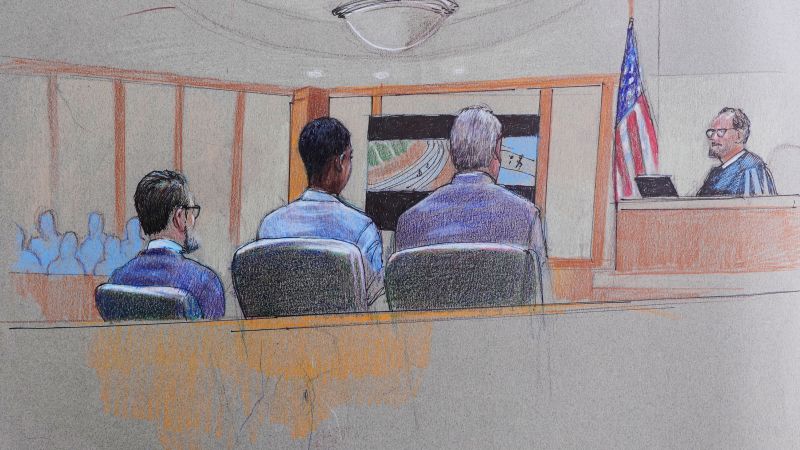
The courtroom was packed Monday, with spectators including Anthony’s and Metcalf’s families, as well as younger students. Judge John Roach Jr. has imposed strict rules to ensure the jury remains impartial, including an order that prohibits them from discussing the case publicly or accessing social media. This directive is particularly crucial given the widespread attention the case has received online, where posts have framed the tragedy in racial terms.
“For God’s sake, do not go on social media,” the judge instructed jurors, highlighting the potential influence of digital platforms on the trial’s outcome.
Austin Metcalf, who attended Frisco Memorial High School, was white, while Anthony, a Black student from Frisco Centennial High School, had been accused of provoking the altercation. The racial divide has intensified the public scrutiny of the case, with social media amplifying the narrative around the conflict. Prosecutors have not only focused on the physical act of the stabbing but have also tied it to broader themes of racial tension and perceived injustice.
Final Stages of the Trial
With the prosecution’s case concluded on Saturday, the trial has entered its closing phase. Anthony did not take the stand to defend himself, leaving his defense team to present arguments based on the evidence gathered. The courtroom’s atmosphere on Monday was tense, as both sides prepared to deliver their final statements. Closing arguments are scheduled for Tuesday, after which jurors will begin deliberations.
Anthony’s parents and Metcalf’s family were among the many in attendance, their presence underscoring the personal stakes of the trial. The judge has instructed the jury to remain sequestered in a hotel if they cannot reach a verdict by Tuesday, with the possibility of returning to court on Wednesday. This sequestration is intended to minimize external pressures and ensure that the decision is based solely on the evidence presented.
Context of the Track Meet Incident
The track meet in question took place under challenging conditions, with rain forcing the competitors to seek shelter under a single tent. The cramped space, combined with the competitive spirit of the event, may have contributed to the escalation of the conflict. Witnesses described the scene as chaotic, with athletes and coaches gathered in a confined area, creating an environment where misunderstandings could easily lead to violence.
Anthony’s teammates have testified that the teen was overwhelmed by the situation, particularly as the rain made the tent a shared space for both teams. The defense has used this context to argue that Anthony’s actions were a spontaneous response to perceived aggression. Meanwhile, prosecutors have highlighted the lack of justification for the attack, pointing to Anthony’s warning to Metcalf as a clear indication of his intent.
The trial has become a microcosm of larger societal issues, with the media and social platforms playing a critical role in shaping public perception. The case has sparked conversations about race, competition, and the pressures faced by high school athletes. As the jury prepares to deliberate, the focus remains on whether Anthony’s actions were premeditated or a result of immediate provocation.
Implications for the Community and Legal System
Legal experts note that the case has the potential to reflect deeper divisions within the community. The conflicting accounts of Anthony and Metcalf’s actions highlight the complexity of interpreting events in real-time. Witnesses have provided varying perspectives, from claims of Anthony’s distress to allegations of his aggression, creating a narrative that is as much about the individuals involved as it is about their backgrounds.
Anthony’s teammates have also testified about his behavior in the days leading up to the incident, suggesting he was more focused on the competition than on personal conflict. However, the prosecution has stressed that the dispute over tent access was a critical factor in the confrontation, pointing to the sequence of events that culminated in the fatal stabbing.
As the trial nears its conclusion, the jury will have to weigh the evidence carefully. The stakes are high, not only for the individuals but for the broader community that has followed the case closely. The outcome could set a precedent for how similar incidents are judged in the future, particularly in environments where racial and social tensions are already present.
Conclusion and Next Steps
With closing arguments set for Tuesday, the trial will hinge on the jury’s interpretation of Anthony’s actions and intent. The defense’s emphasis on his distress and the prosecution’s focus on his aggression will shape the jury’s deliberations. As the final phase of the trial unfolds, the courtroom remains a stage for both legal and social discourse, with the hope that a verdict will bring clarity to a tragic event that has resonated far beyond the school stadium.
