
Trump formally nominates his former personal lawyer Todd Blanche to serve as attorney general
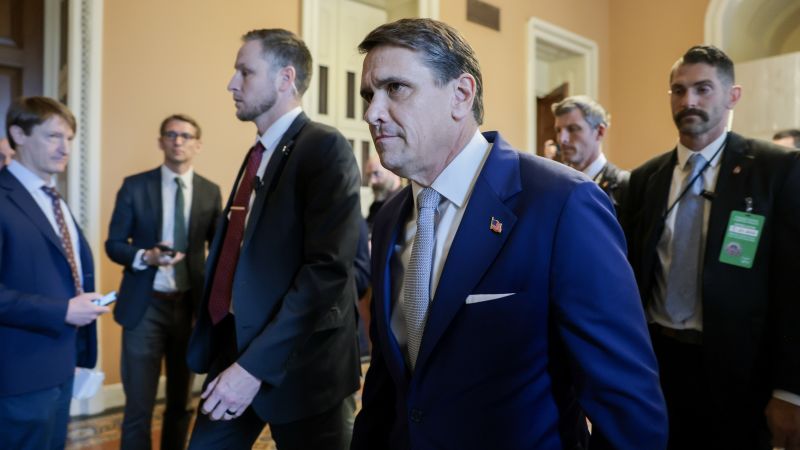
Trump Formally Nominates Former Personal Lawyer Todd Blanche as Attorney General
Trump formally nominates his former personal – President Donald Trump has officially nominated Todd Blanche, his former personal lawyer, to serve as the next Attorney General, with the formal submission of the nomination to the Senate on Monday. This move follows the abrupt departure of Pam Bondi, who had been acting in the role since April. Blanche’s appointment marks the next phase in the Department of Justice’s leadership, as the Senate prepares to begin its confirmation process. To secure the position, Blanche will require a simple majority, though his involvement in the “anti-weaponization” fund and his handling of the Jeffrey Epstein case may influence the outcome.
The Road to Confirmation
The nomination now enters the Senate’s spotlight, with the Judiciary Committee’s role central to its progression. Committee Chairman Chuck Grassley has expressed confidence in Blanche, stating that he is “well-qualified” and “dedicated to restoring law and order.” Grassley’s remarks highlight the initial support for Blanche, but the pace of the confirmation process remains uncertain. While the senator emphasized the committee’s commitment to moving swiftly, he declined to specify how quickly the vote might occur, leaving room for potential delays.
“Blanche is well-qualified and has shown his dedication to restoring law and order across our country. The Senate Judiciary Committee’s work to process Blanche’s nomination is underway,” Grassley said in a statement.
Senators on the committee have already begun voicing concerns about Blanche’s past role. Sen. John Cornyn, a key member, indicated plans to probe Blanche’s involvement in the $1.8 billion “anti-weaponization” fund. “I have a lot of questions, including that,” Cornyn remarked, underscoring the scrutiny surrounding the initiative. The fund, initially tied to a settlement between the Trump Organization, the president, and the IRS, aims to compensate individuals who claim they were unfairly prosecuted. Its purpose, however, has sparked debate, particularly among Republicans who worry about its implications for the January 6, 2021, rioters.
Controversies and Political Challenges
Blanche’s nomination is taking place amid ongoing criticism of both Trump and the fund. While the Justice Department has recently stated the plan is “dead,” several lawsuits continue to challenge the settlement. This situation has placed Blanche in a precarious position, as he must now balance his role as acting attorney general with the political fallout from the fund’s proposal. His public statements, including a recent press conference, have aimed to reinforce his loyalty to Trump, with Blanche declaring the job “the greatest honor of a lifetime.” He added, “If he chooses to nominate somebody else and asks me to go do something else, I will say: ‘Thank you very much, I love you, sir,’” reflecting his alignment with the administration.
Despite his enthusiasm, Blanche’s tenure as acting attorney general has not been without controversy. Critics argue that his actions, such as securing indictments against former FBI Director James Comey and issuing subpoenas to journalists, reflect a prioritization of Trump’s political agenda over impartial law enforcement. These efforts have been seen as part of a broader strategy to position the Justice Department as a tool for attacking opponents, a sentiment echoed by some observers who note the synergy between Blanche’s initiatives and the White House’s “war on fraud.”
Epstein Files and Judicial Scrutiny
A significant portion of the scrutiny against Blanche stems from his handling of the Jeffrey Epstein case. During his time as acting attorney general, Blanche oversaw the release of the Epstein files, which were central to investigations into the former financier’s alleged criminal activities. However, the files have also been a point of contention, particularly after former Attorney General Pam Bondi pointed to Blanche’s role in their management. In a House Oversight Committee hearing, Bondi stated, “He was in charge of the process and the entire release of the Epstein files,” highlighting the responsibility attributed to him in the matter.
Blanche’s interactions with Epstein’s co-conspirator, Ghislaine Maxwell, have further fueled debate. Maxwell’s recent email messages, which were shared with the public, led to the termination of several prison employees. The Justice Department’s handling of these communications has raised questions about transparency and accountability, especially given the ongoing legal battles over the Epstein files. While the department claims it has released approximately 3 million files compelled by the Epstein Files Transparency Act, critics argue that the process has been opaque and influenced by political considerations.
Republican Divisions and the Fund Debate
Not all Republicans are in agreement about Blanche’s nomination. GOP Senator Bill Cassidy of Louisiana, who recently lost a primary, has emerged as a vocal critic of the “anti-weaponization” fund and Blanche’s potential confirmation. Cassidy’s concerns center on the idea that Blanche might act as Trump’s personal advocate within the Department of Justice. “I have to be convinced that Todd is not the president’s personal attorney who happens to be attorney general – but that Todd is attorney general who used to be the president’s personal attorney,” he explained, emphasizing his skepticism about Blanche’s impartiality.
Cassidy’s comments reflect a broader divide within the Republican Party. While some members support the fund as a means to protect individuals from wrongful prosecution, others, like Cassidy, fear it could be used to reward allies of the administration. “Of course, that’s concerning,” Cassidy said when asked about Trump’s continued backing of the initiative. His stance suggests that the confirmation process may not be unanimous, with potential holdouts complicating the outcome.
A Legacy of Legal Actions
Blanche’s time as acting attorney general has been marked by a mix of high-profile legal actions and policy shifts. His role in securing indictments against Trump’s adversaries, including Comey, has been celebrated by some as a demonstration of aggressive enforcement. Meanwhile, his decision to roll back gun control measures aligns with the administration’s broader approach to deregulation. These moves have been interpreted as part of a strategy to consolidate power and advance the president’s priorities within the DOJ.
However, the same actions have also drawn criticism from those who view them as politically motivated. The release of subpoenas targeting journalists, for instance, has been seen as an attempt to pressure media outlets into divulging information favorable to the administration. Critics argue that Blanche’s leadership has blurred the lines between law enforcement and political warfare, using the Justice Department as a platform to target opponents and reinforce Trump’s agenda.
Looking Ahead
As the Senate moves forward with the confirmation process, the focus will remain on Blanche’s past decisions and their implications for the DOJ’s independence. The committee’s ability to navigate these challenges will determine whether his nomination proceeds smoothly or faces significant hurdles. With the administration’s support and Grassley’s backing, Blanche appears poised to secure the position, but the ongoing legal and political debates suggest the confirmation may not be without controversy.
