
Market sell-off accelerates as traders raise odds for Fed rate hikes
Market Downturn Intensifies as Fed Rate Hike Probabilities Rise
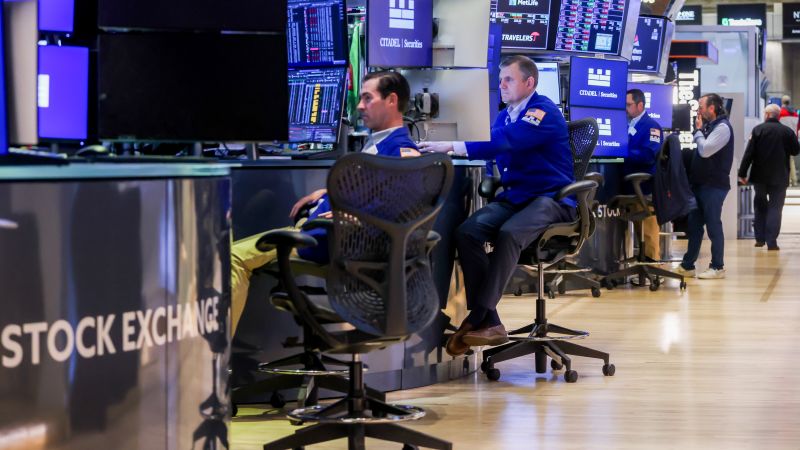
Market sell off accelerates as traders – Friday’s trading session saw a significant market retreat as investors offloaded equities, government bonds, and commodities like bitcoin and gold. The catalyst for this shift was a robust jobs report, which fueled speculation that the Federal Reserve might increase interest rates later this year to curb inflation. Wall Street also grappled with declining performance in AI-focused stocks, adding to the overall uncertainty. This week’s volatility has intensified, with the S&P 500 plunging 1.8%, marking its first negative performance since early May. The index is now on track to end its nine-week upward streak. Meanwhile, the tech-driven Nasdaq Composite experienced a sharp 3% drop, poised for its worst single-day decline since October 2024. The Dow Jones Industrial Average also fell, losing 407 points or 0.8%.
Strong Jobs Data Shifts Market Focus
The Bureau of Labor Statistics released Friday’s data, revealing the U.S. economy added 172,000 jobs in May—surpassing expectations. This figure follows recent indicators that showed inflationary pressures intensifying, driven by a surge in oil prices linked to the Iran conflict. Analysts now project a 43% likelihood of a rate increase in December, up from 26% the previous month, according to the CME FedWatch tool. This uptick in probability suggests that the Fed is increasingly prioritizing inflation control over economic slowdown concerns.
AI Stocks and Semiconductor Firms Under Pressure
Market volatility has escalated this week as investors adjust to shifting expectations about interest rates. The S&P 500, which has seen heightened swings, reflects this uncertainty. In the tech sector, the Nasdaq Composite fell for the third consecutive day, pressured by a sell-off in semiconductor stocks. A prominent exchange-traded fund tracking memory chip equities dropped 12%, signaling a broader retreat from AI-related investments. The pullback highlights concerns about the sustainability of recent gains, particularly in sectors reliant on rapid technological advancements.
Bitcoin and Gold Reflect Risk Aversion
Bitcoin, which had previously climbed to record highs, tumbled over 3% on Friday, trading near $61,000—its lowest level since October 2024. The cryptocurrency’s decline accelerated, with a 17% weekly drop attributed to key industry players selling holdings for the first time since 2022. Gold prices also fell more than 3%, as higher interest rates reduce the appeal of non-yielding assets like precious metals. This trend underscores a growing risk-off sentiment among investors, who are recalibrating their portfolios in anticipation of tighter monetary policy.
Fed Policy Outlook and Market Reactions
James McCann, a senior economist at Edward Jones, noted in a statement that the recent jobs data “confirms Fed easing is off the table this year.” He emphasized that the central bank would require “more persistent inflation spikes” before shifting toward a tightening cycle. McCann also highlighted the challenges faced by the newly appointed Fed Chair, Kevin Warsh, particularly at his first meeting. The FOMC rate-setting committee remains divided, with conflicting views on how to balance economic growth and inflationary pressures.
“Markets have spent months searching for a reason for the Federal Reserve to cut rates. Today’s jobs report gave policymakers a reason not to do so,” Nigel Green, CEO of the DeVere Group, stated in a recent analysis. “One report does not make policy, but a report of this magnitude changes probabilities,” Green added, underscoring the market’s immediate response to the data.
Oil Prices and Treasury Yields Show Contrasting Trends
Friday’s oil prices dipped, with Brent crude futures falling 2.3% to $92.90 per barrel and U.S. crude futures declining 3.4% to just below $90 per barrel. Despite the drop in oil, Treasury yields surged, with the 10-year yield hitting 4.54%. This rise in yields, which typically correlates with rising oil prices, indicates that investors are focusing on the strong labor market and its potential to stabilize inflation. The divergence between oil and yields highlights a broader shift in market priorities, with rate hikes now seen as more likely than continued accommodative policy.
Market Sentiment and the Fear and Greed Index
The CNN Fear and Greed Index, which gauges overall market sentiment, remained in the “neutral” range after briefly slipping out of the “greed” category earlier in the week. The index had been in a “greed” phase since April 15, following the S&P 500’s record high during the Iran war. This transition to neutrality suggests that investors are cautiously optimistic but wary of potential risks, particularly in the wake of the jobs report and its implications for monetary policy.
Broader Implications for the Economy and Markets
The jobs report’s impact extends beyond immediate market reactions. A resilient labor market could prompt the Fed to adopt a more aggressive stance on inflation, potentially leading to a cycle of rate hikes. This scenario would contrast with earlier concerns about a recession, as the central bank’s focus shifts toward curbing rising prices. However, the Fed’s decision-making process remains complex, with policymakers balancing the need to control inflation against the risk of stifling economic growth.
Analysts suggest that the market’s response to the jobs data reflects a deeper reevaluation of economic fundamentals. The strong employment figures, combined with inflationary pressures, have forced investors to reconsider their assumptions about future monetary policy. This has led to increased volatility in equities and commodities, as traders adjust their strategies to account for the Fed’s more hawkish posture. The Nasdaq’s decline, for instance, highlights the fragility of AI stocks in the face of shifting economic conditions, while the drop in gold prices underscores the allure of higher-yielding assets in a rising rate environment.
As the Fed prepares for its next move, market participants are closely monitoring both economic indicators and policy statements. The central bank’s credibility as a inflation fighter has been bolstered by the jobs report, but the path forward will depend on how inflation evolves in the coming months. With the FOMC facing internal divisions and external pressures, the upcoming decision on rates could have far-reaching consequences for global financial markets. Investors are advised to remain vigilant, as the current environment demands a nuanced approach to risk management and asset allocation.
Meanwhile, the broader market’s performance is a reflection of these dynamics. The S&P 500’s weekly losses, the Nasdaq’s three-day decline, and the Dow’s pullback all signal a temporary reversal in the bullish trend. However, the market’s ability to adapt to new information—such as the jobs data and its implications—demonstrates the resilience of financial markets even in uncertain times. The fear and greed index’s movement further illustrates this balance, with traders weighing the benefits of growth against the costs of inflation.
For the cryptocurrency sector, the sell-off in Bitcoin has sparked broader questions about the sector’s sustainability. While the drop is partly attributed to the Fed’s rate hike expectations, it also reflects a loss of confidence in the tech-driven market. The 50% decline since October’s record high indicates a significant shift in investor sentiment, with many opting for safer assets in a more inflation-sensitive environment. This trend may persist if the Fed continues to signal a tightening cycle, as higher rates could further erode the value of cryptocurrencies.
Overall, the market’s reaction to the jobs report underscores the delicate interplay between economic data and monetary policy. While the Fed’s focus on inflation may lead to higher rates, the central bank’s ability to navigate this path will determine the longer-term trajectory of financial markets. Investors are now in a position to reassess their portfolios, with a heightened emphasis on inflation-resistant assets and a more cautious outlook for sectors exposed to rising interest rates.
