
Exclusive: Israel sent troops to Azerbaijan during Iran war as part of secret network across region, sources say
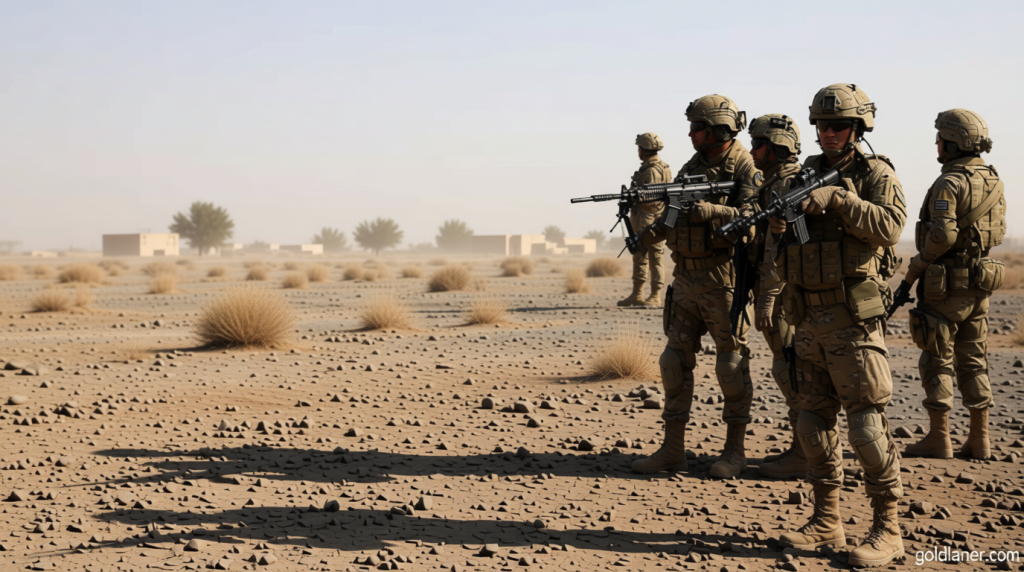
Exclusive: Israel Deploys Troops to Azerbaijan as Part of Secret Operations Against Iran
Exclusive sources have revealed that Israel quietly moved specialized military and intelligence units to Azerbaijan during its conflict with Iran, establishing a hidden infrastructure network across the Middle East to bolster its attacks on Iranian targets. This deployment, first reported by CNN, highlights how regional allies are increasingly playing a pivotal role in Israel’s military campaigns, with some participating openly and others operating in the shadows.
Azerbaijan as a Strategic Outpost
The Israeli forces were stationed in southern Azerbaijan, near Iran’s northern border, according to the sources. This location, just 60 miles from Tabriz, provided a critical vantage point for monitoring Iranian activities and executing precision missions. One source noted that Israeli commando teams were also deployed there, conducting surveillance and drone strikes to support operations. The use of Azerbaijan’s geography allowed Israel to extend its reach deep into Iranian territory, facilitating coordinated strikes on key infrastructure and military sites.
Exclusive intelligence indicates that the mission was not solely about direct military action. It also involved securing logistics and communication hubs to sustain long-term efforts against Iran. The presence of Israeli troops in Azerbaijan enabled rapid response capabilities, including aerial rescue missions for downed pilots. This strategic advantage, the sources said, was part of a broader plan to disrupt Iran’s military and political operations in the region.
A Middle East Web of Covert Support
The Azerbaijani bases were just one component of Israel’s extensive network of secret military installations across the Middle East, as revealed by Exclusive sources. These included facilities in Iraq, the United Arab Emirates, and Somaliland, each serving as a critical node for operations. The UAE, for instance, hosted an Iron Dome defense system and additional troops, offering Israel secure bases for both offensive and defensive purposes.
In December, Israel became the first nation to officially recognize Somaliland as an independent state, a move that, according to Exclusive reports, aligned with its military use of the region. Somaliland’s port city of Berbera, strategically positioned near the UAE’s operations, provided Israel with a potential refueling or staging point for long-range missions targeting Iran. The UAE’s foreign ministry was contacted by CNN for comment following the disclosure.
Exclusive analysis suggests that Iraq also played a crucial role, hosting two undisclosed facilities that supported logistics and emergency response efforts. Although Iraq’s military stated in early March that no unauthorized forces were present, the sources claimed these bases were vital for Israel’s war strategy. The network’s integration across borders underscores a deliberate, coordinated approach to combating Iran.
Regional Alliances and Unacknowledged Support
Exclusive reports highlight how Israel’s operations in Azerbaijan were part of a larger, interconnected effort. By leveraging the cooperation of regional allies, Israel created a multi-directional strategy to strike Iran from multiple fronts. This approach, the sources emphasized, was designed to maximize disruption while minimizing direct attribution to Israel.
The deployment of elite forces, including members of Israel’s special operations units and Mossad agents, marked a significant step in blending intelligence and military capabilities. These troops, though small in number, were instrumental in gathering real-time data on Iranian movements and enabling targeted strikes. The network’s secrecy and efficiency allowed Israel to maintain a strategic edge in the conflict.
Exclusive insights into the operation reveal that the partnership with Azerbaijan was not just tactical but also part of a long-term geopolitical alignment. By positioning itself in the region, Israel aimed to secure a foothold that could be used for future campaigns against Iran. The success of this initiative has raised questions about the extent of Israel’s covert alliances and the role of smaller nations in global military strategies.
