
Scott Pelley fired by CBS after ‘60 Minutes’ clash with management
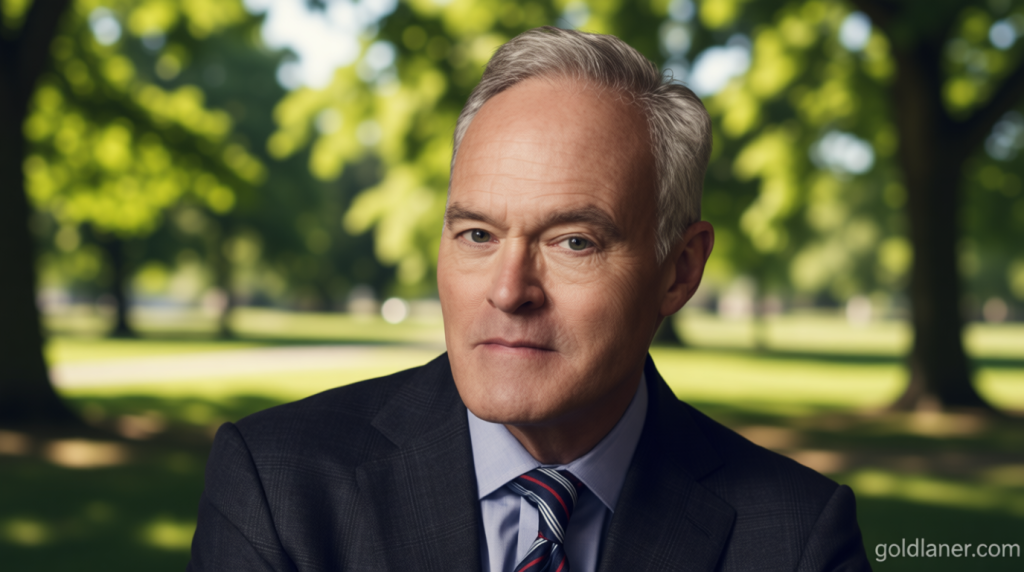
Scott Pelley Terminated by CBS Amid Leadership Dispute
Scott Pelley fired by CBS after 60 – CBS News terminated veteran correspondent Scott Pelley on Tuesday, June 2, 2026, following a contentious exchange with the network’s management team. The decision came just a day after Pelley publicly criticized the new leadership during a staff meeting, sparking immediate controversy. His departure marks a significant shift for the long-standing investigative program, raising questions about the future of its editorial direction and the stability of its team.
Pelley’s Outspoken Criticism Sparks Tensions
During a Monday gathering with CBS employees, Pelley directly challenged the leadership’s decisions, particularly the recent changes to the news division. He accused Bari Weiss, the current editor in chief, of undermining the show’s legacy and stated that the new management had “murdered” “60 Minutes.” Weiss, however, claimed that her team had made genuine efforts to resolve the conflict, but Pelley dismissed this, insisting that no reconciliation was attempted. His sharp remarks, which leaked swiftly to external media, intensified the internal discord at CBS.
“Your employment with CBS is terminated for cause effective immediately.”
Meanwhile, the leadership team, led by Weiss, highlighted their commitment to revitalizing the network. They argued that the overhaul was necessary to modernize the show and attract younger digital audiences. This approach, however, has drawn criticism from within and outside the organization, with some viewing it as a departure from the program’s traditional values.
Leadership Reorganization and Staff Reactions
Pelley’s firing follows a series of high-profile departures from “60 Minutes” under Weiss’s tenure. Last week, she oversaw the ousting of senior figures such as Sharyn Alfonsi, Cecilia Vega, and executive producer Tanya Simon. These moves, which included hiring Nick Bilton—a former tech reporter with limited television experience—to replace Simon as showrunner, were seen as pivotal in reshaping the network’s identity. Despite these changes, CBS appears to have wanted to retain Pelley, who had spent 37 years with the network.
Pelley’s frustration culminated in a heated confrontation with Bilton during the Monday meeting. He accused Weiss of prioritizing a new vision over the show’s established reputation, calling her a “murderer” of “60 Minutes.” Bilton, in response, defended his role, stating that Weiss had “not been able to do so,” according to the network’s narrative. The meeting, which lasted several hours, became a flashpoint for the ongoing conflict between Pelley and the leadership.
Public Statements and Contrasting Narratives
Following the meeting, Bilton issued a Tuesday evening letter to Pelley, framing the termination as a result of the correspondent’s “antipathy” toward the show’s future. He emphasized that Pelley had “hijacked my first meeting with staff to disparage me, my qualifications, and my intentions with remarkable incivility and contempt.” This letter served as the official justification for Pelley’s dismissal, though the two sides presented conflicting accounts of the event.
Weiss, in a Wednesday morning address to CBS employees, reiterated that her team had sought to engage with Pelley and find a resolution. “Despite our attempts to engage with Scott Pelley and to find a way back, unfortunately, we weren’t able to do so, and so we had to part ways,” she said. Pelley, however, refuted this, stating that no effort was made to reconcile during the Tuesday meeting. “There was no suggestion of steps that could lead to a resolution,” he added, highlighting the perceived lack of support from management.
Political Overtones and Corporate Strategy
Pelley’s remarks took on political significance, especially in light of CBS’s relationship with former President Donald Trump. In 2024, Trump sued CBS over a “60 Minutes” interview with Kamala Harris, a case that legal experts deemed frivolous. Despite this, Paramount’s previous ownership team settled the dispute in July 2025, a decision critics argued was influenced by the desire to align with Trump’s administration. Under the new leadership, this trend has continued, with Paramount seeking Trump’s endorsement as it pursues the acquisition of Warner Bros. Discovery, including CNN.
Pelley invoked these connections in his Tuesday statement, accusing the network’s new owner of sidelining the show’s legacy to curry favor with the Trump administration. “The new owner of our network is casting the legacy of ’60 Minutes’ aside,” he said, “apparently to curry a moment of favor with the Trump administration.” This assertion has fueled speculation that the leadership’s reforms are politically motivated, with some suggesting that the overhaul of the news division is a calculated effort to appease Trump’s influence.
Unanswered Questions and Future Implications
The firing of Pelley has left several key questions unresolved. While Weiss and her team claim their changes are aimed at revitalizing the network, critics argue that the rapid turnover of senior staff and the shift toward digital formats have weakened the show’s credibility. Pelley’s supporters view his actions as a courageous stand against corporate pressure, while his detractors see him as an obstacle to progress. The situation has also created a sense of urgency for CBS, as the loss of its majority of full-time correspondents may force a period of rebuilding.
Internally, the staff has divided over Pelley’s role. Some believe he was deliberately challenging Weiss to demonstrate his commitment to the program, while others accuse him of adopting a bullying tone during the meeting. Regardless of the perspective, his departure has underscored the tensions between tradition and innovation in CBS News. As the network navigates this transition, the fate of “60 Minutes” remains uncertain, with its legacy now at the center of a broader debate about journalistic integrity and corporate priorities.
The unfolding drama has sparked widespread discussion about the impact of leadership changes on news programming. Analysts and viewers alike are questioning whether the restructuring will enhance the show’s relevance or dilute its reputation. For Pelley, the termination represents a personal and professional setback, but for the network, it signals a bold step toward redefining its brand in a rapidly evolving media landscape.
With the leadership team entrenched in their vision, the future of “60 Minutes” will likely depend on how effectively they can balance innovation with the program’s storied heritage. Pelley’s absence leaves a void, but it also opens the door for new voices and approaches. As CBS moves forward, the controversy surrounding his firing will continue to shape public perception of the network’s editorial direction.
