
Former NY Rep. George Santos under investigation for alleged insider trading on Kalshi
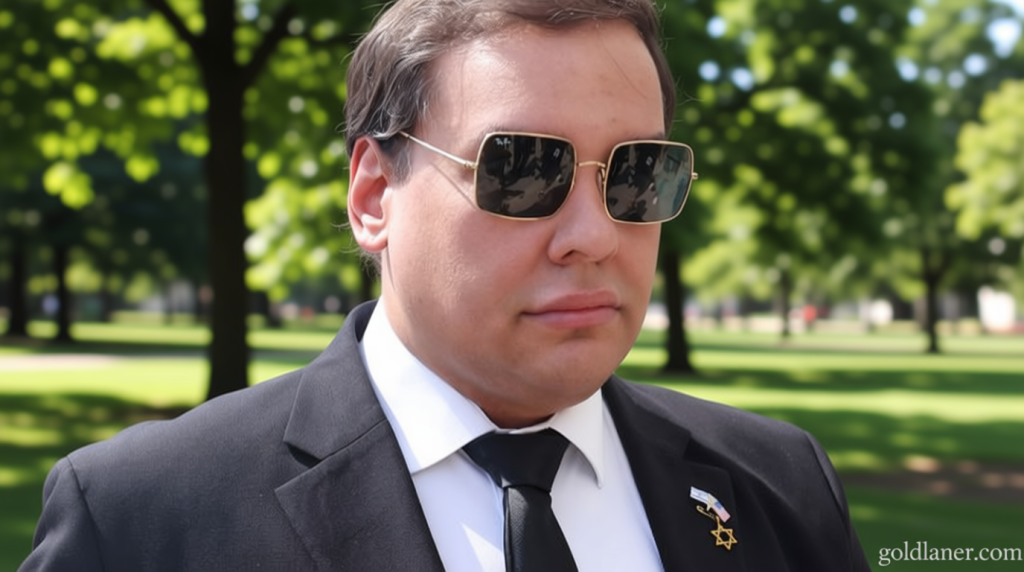
Former NY Rep. George Santos Under Scrutiny for Alleged Insider Trading on Kalshi
Former NY Rep George Santos under – In a recent twist, former New York Congressman George Santos, who previously served time in federal prison for fraud charges, is now being investigated for potential insider trading activity on the prediction market platform Kalshi. Two individuals with knowledge of the case confirmed that the market has flagged suspicious transactions linked to Santos’s participation in a trade involving the likelihood of his attendance at the State of the Union address. This development adds another layer to Santos’s ongoing legal troubles, which began with his ousting from Congress and a subsequent prison sentence.
Details of the Suspicious Activity
Kalshi, a digital platform where users bet on the outcomes of future events, has identified unusual patterns in trades related to Santos’s attendance at the State of the Union speech. According to one source, the platform’s algorithms detected significant betting activity on the outcome of the event, with millions of dollars wagered by traders who anticipated Santos’s presence. Among the participants in the bets were Donald Trump’s son Barron, USA Hockey star Jack Hughes, and Nick Shirley, a journalist whose viral Minnesota fraud allegations sparked widespread debate. Santos had publicly declared his intention to attend the speech, yet he ultimately missed it.
“Kalshi concluded that the account in question belonged to Santos and took action by freezing it,” said a source close to the investigation. “The platform is now passing the information along to the Justice Department and the Commodity Futures Trading Commission for further review.”
While the Commodity Futures Trading Commission (CFTC) has confirmed its involvement in the probe, the Justice Department is currently not conducting an investigation, according to a third source. The CFTC, which oversees commodity futures and prediction markets, is examining whether Santos’s trades violated federal regulations. The case highlights the growing regulatory focus on these platforms, which have become increasingly popular for their ability to predict real-world events with financial stakes.
A History of Legal Challenges
Santos’s recent scrutiny comes just months after he completed a seven-year sentence for aggravated identity theft and wire fraud. He was sentenced in 2023 following his indictment in 2022, which stemmed from allegations that he misused campaign funds during his congressional run. Trump’s executive commutation reduced his prison time to less than three months, allowing Santos to return to public life before the current investigation emerged.
The alleged insider trading activity suggests that Santos may have leveraged non-public information to gain an advantage in prediction market bets. While the specifics of the case remain under review, the timing of his absence from the State of the Union speech has raised questions about whether he used insider knowledge to inform his trades. The CFTC’s involvement underscores the seriousness of the allegations, as it has the authority to investigate and penalize violations of market regulations.
The Rise of Prediction Markets
Prediction markets like Kalshi and Polymarket have surged in popularity over the past year, offering users the chance to bet on a wide range of topics—from sports and elections to entertainment events such as the upcoming season of “Survivor.” These platforms function by allowing participants to buy and sell contracts based on the probability of future outcomes, with prices fluctuating in real time as new information emerges. However, their rapid growth has outpaced regulatory frameworks, prompting calls for stricter oversight.
Kalshi, which operates as a regulated entity, is treated similarly to commodity futures markets, meaning its transactions fall under federal scrutiny. Despite this, some lawmakers and officials argue that the rules governing these platforms are still evolving and may not fully address the complexities of modern financial markets. For instance, the ability to trade on events like political speeches or public statements could blur the lines between legitimate investment and insider trading, depending on the source of the information.
CNN, which partners with Kalshi for data and insights, has been using the platform to cover major events, including elections and policy decisions. However, the network’s editorial team is prohibited from personally trading on prediction sites, ensuring a separation between news coverage and financial interests. This policy remains in place even as the investigation into Santos’s trades unfolds.
Broader Implications for Lawmakers
The case against Santos raises important questions about the behavior of public officials in financial markets. While his previous fraud charges were related to campaign finance, the current investigation explores whether his actions on Kalshi could be classified as insider trading. This distinction is crucial, as insider trading typically involves using confidential information to make profitable trades.
Lawmakers and state officials have expressed concerns about the regulatory challenges posed by prediction markets. Many argue that the current rules, which date back to the early 2000s, were designed for traditional financial instruments and may not adequately address the dynamic nature of these platforms. As prediction markets continue to attract attention, their role in shaping political narratives and influencing market behavior is becoming more pronounced.
The federal scrutiny into Santos’s trades was first reported by NPR, which also noted that Santos told the network he had no prior knowledge of the investigation. This admission could have implications for how the case is perceived, as it suggests Santos may have been unaware of the potential legal consequences of his actions. However, the investigation into his trading activity is separate from his earlier fraud charges, emphasizing the broader scope of his financial dealings.
Conclusion and Next Steps
As the CFTC and Justice Department review the evidence, the case serves as a reminder of the interconnectedness of public life and financial markets. Santos’s participation in the prediction market trade has sparked a debate about the responsibilities of lawmakers and the need for clearer guidelines in this emerging industry. The outcome of the investigation could set a precedent for how insiders are held accountable in the digital age of trading.
Meanwhile, Kalshi has remained silent on the matter, declining to comment for this story. The platform’s decision to freeze Santos’s account and refer the issue to federal authorities indicates a proactive approach to ensuring compliance with market regulations. For now, the focus remains on determining whether Santos’s trades constituted a violation of insider trading laws, with the potential for significant legal and reputational consequences. As the investigation progresses, it will be critical to examine the full context of Santos’s actions and their impact on the integrity of prediction markets.
