
A visual guide to the Laos cave rescue
A Visual Guide to the Laos Cave Rescue
A visual guide to the Laos – Deep within the rugged terrain of northern Laos, a high-stakes cave rescue operation has captured global attention. The mission, which has spanned over a week, has successfully evacuated five individuals from a submerged labyrinth deep underground. However, two others remain missing, prompting ongoing efforts to locate and retrieve them. This complex endeavor has highlighted the challenges of deep-water extractions and the determination of international teams working in tandem to save lives.
The Challenge of the Underground Environment
The cave system, known as Tham Phang Nga, is part of a network of karst formations that extend beneath the region’s dense forests. Its intricate passages, some of which are underwater, have made navigation perilous. Rescuers faced the daunting task of navigating pitch-black tunnels, overcoming the risk of cave-ins, and dealing with limited oxygen supplies during the dives. The site’s remoteness further complicated logistics, requiring specialized equipment and coordination between local and foreign experts.
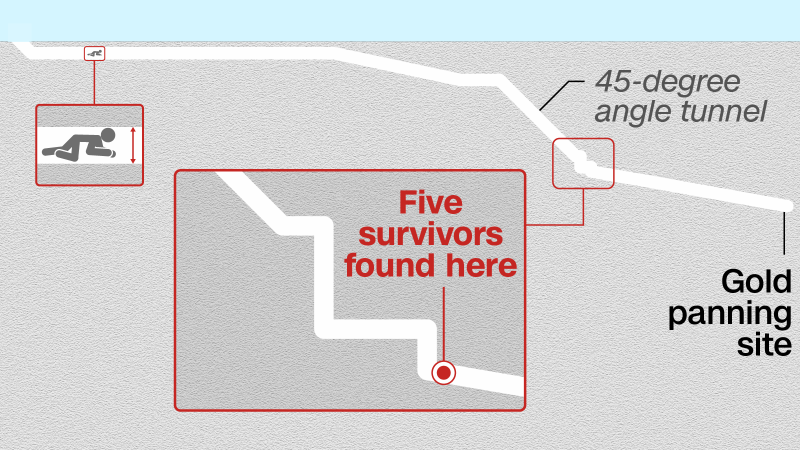
Despite these obstacles, the operation has proceeded with remarkable precision. The first rescue, which occurred on the fifth day, involved extracting two survivors through a narrow water channel. Subsequent efforts focused on retrieving the remaining three, who were found in a deeper chamber after days of meticulous exploration. The cave divers, operating in teams, used advanced rebreathers and rope systems to descend to depths previously uncharted in this region. Their work has been critical in maintaining the connection between the trapped individuals and the surface, ensuring a steady flow of supplies and communication.
The Human Element Behind the Rescue
At the heart of this operation are the cave divers, whose expertise and courage have been vital. Based at the Metta Tham Kalasin Command and Control Center, these teams have provided real-time updates on the cave’s layout and the progress of the mission. Their knowledge of the underwater passages, combined with satellite imagery and 3D mapping, has allowed rescuers to chart a course through the treacherous environment. This collaboration underscores the importance of global networks in emergency response, as divers from Thailand and other countries have contributed their skills to the effort.
The rescue has also brought attention to the families of the missing. Local authorities have been working closely with international organizations to update loved ones on the status of the operation. One family member shared a heartfelt message: “We’ve been praying every night, hoping they’ll come out safely. It’s been a week of endless worry, but we’re grateful for every step forward.” Such personal accounts add a human dimension to the technical challenges, emphasizing the emotional toll of the ordeal.
Techniques and Timeline of the Operation
The process began when the group, consisting of four Thai nationals and one local guide, entered the cave for a routine exploration. A sudden collapse sealed their fate, trapping them in a chamber where they relied on limited air supplies and the hope of a rescue. Over the next seven days, teams worked to establish a lifeline, using pressurized breathing systems and underwater communication devices to coordinate efforts.
On the first day, rescuers identified the initial location of the survivors and began deploying life-support systems. By the third day, they had successfully reached the first group, who were then transported to the surface via a series of vertical ropes and pulleys. The next phase focused on the deeper chamber, where two additional individuals were found in critical condition. This required a coordinated effort involving divers who had to navigate through a collapsed tunnel, using sonar and manual exploration to locate the survivors.
Throughout the operation, the Metta Tham Kalasin Command and Control Center has served as the central hub for decision-making and resource allocation. Their team, working around the clock, has analyzed data from divers to determine the safest routes and methods for extraction. One official remarked, “Every decision is based on precise measurements and real-time feedback. We’re not just saving lives—we’re mapping an unknown world beneath the earth.” This sentiment reflects the meticulous planning and adaptability required to tackle the cave’s unpredictable conditions.
The Depths of the Rescue Mission
The deepest dive during the operation reached an astonishing 45 meters, a feat that demanded exceptional endurance and technical skill. Rescuers had to maintain a steady supply of oxygen while maneuvering through tight spaces and turbulent water currents. The use of 3D modeling has been instrumental in visualizing the cave’s structure, allowing teams to plan their movements with greater accuracy. These diagrams, created by the divers themselves, have provided a detailed map of the passages, highlighting potential hazards and safe pathways.
As the mission continues, rescuers are evaluating whether to attempt a second dive to reach the two missing individuals. The decision hinges on assessing the stability of the cave and the availability of equipment. A spokesperson from the command center stated, “We’re analyzing the latest data to decide the next steps. The priority remains the safety of all involved, both the trapped and the rescuers.” This cautious approach ensures that each action is calculated, balancing the urgency of the situation with the need for precision.
Global Impact and Future Steps
The Laos cave rescue has become a symbol of international cooperation in crisis. Teams from Thailand, the United States, and other countries have contributed their resources, demonstrating the interconnectedness of modern emergency response. This collaboration has not only accelerated the rescue but also set a precedent for future operations in similar environments.
Looking ahead, the focus remains on the two individuals still missing. Rescuers are preparing for potential challenges, such as restricted visibility or structural weaknesses in the cave. Meanwhile, medical teams are on standby to provide immediate care once the survivors are retrieved. The operation has also raised awareness about the dangers of cave diving, prompting discussions on safety protocols and training standards.
As the world watches, the success of this mission hinges on the continued efforts of the rescuers. Their ability to adapt to unforeseen obstacles and maintain composure under pressure has been nothing short of extraordinary. Whether the two missing individuals can be saved or not, the rescue operation stands as a testament to human resilience and the power of teamwork in the face of adversity.
Visual Documentation and Credits
The cave diagram, which has been a key tool in tracking the rescue progress, is based on firsthand accounts from the divers. This visual guide has helped the public and experts alike understand the complexity of the operation. The images accompanying this report, sourced from Norrased Palasing/Reuters, Metta Tham Kalasin Rescue/Handout/Reuters, and Thailand Rescue Diver/Facebook, capture the essence of the mission, from the initial collapse to the moment of recovery.
These visuals, combined with the information from the command center, offer a comprehensive look at the challenges and triumphs of the Laos cave rescue. They serve as both a record of the event and a reminder of the dedication of those involved. As the operation evolves, further updates and images will provide insight into the ongoing search and the broader implications for cave rescue technology and
