
Georgia Democrat Keisha Lance Bottoms will aim to become first Black woman governor in US history
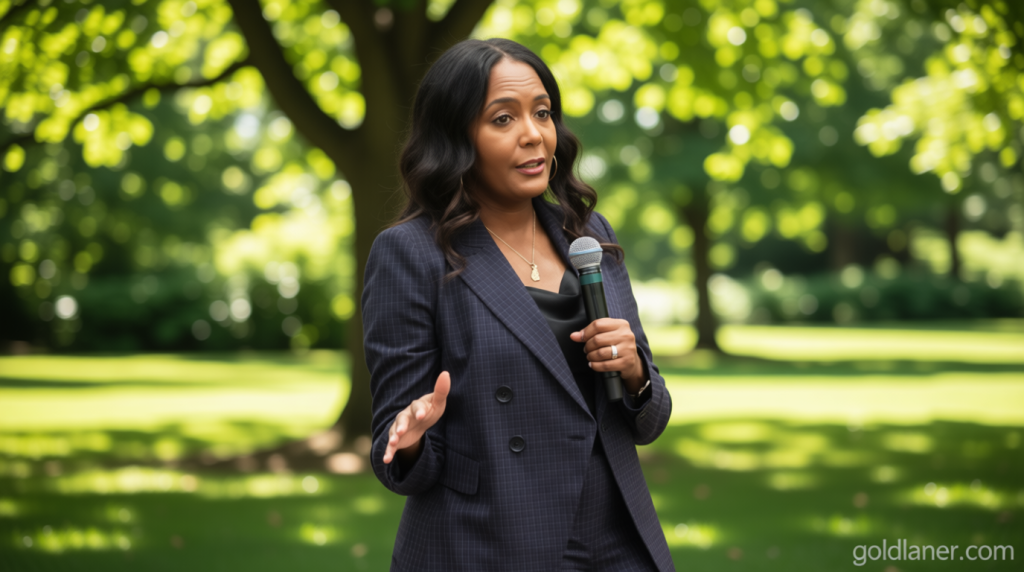
Keisha Lance Bottoms Aims to Become First Black Woman Governor of Georgia
Georgia Democrat Keisha Lance Bottoms will – Keisha Lance Bottoms, a Georgia Democrat and former mayor of Atlanta, has secured the Democratic nomination for governor, positioning herself as a historic contender for the state’s highest office. Her victory in the primary marks a pivotal moment in Georgia’s political journey, as she seeks to break new ground as the first Black woman to lead the state. With the general election approaching, Bottoms faces a key challenge in translating her primary success into a broader state victory, a feat that would redefine leadership in American politics.
Leadership and Policy Focus
Bottoms’ campaign emphasizes a forward-looking agenda centered on healthcare expansion, education reform, and economic revitalization. Her platform reflects her experience navigating complex issues as a city leader, including pandemic recovery efforts and addressing systemic inequalities in urban communities. By prioritizing initiatives like Medicaid access and school infrastructure, she aims to build a coalition that spans diverse demographics, a strategy that has resonated with voters across Georgia’s political spectrum.
While her primary win was a milestone, the general election will require her to appeal to a wider electorate. Georgia’s political landscape remains competitive, with a historically divided electorate that has oscillated between Democratic and Republican candidates. Bottoms’ campaign has leveraged her credibility as a seasoned public servant, emphasizing her ability to unite stakeholders and implement practical solutions to pressing state challenges.
Republican Competition and Political Tides
In the GOP race, Lt. Governor Burt Jones and health care executive Rick Jackson have advanced to a June 16 runoff, creating a high-stakes contest for the Republican nomination. The final outcome of this race will shape the November general election, where Bottoms will challenge Brian Kemp, the term-limited governor who has shaped Georgia’s policy direction since 2019. Kemp’s administration, known for its pro-business stance and school choice initiatives, faces scrutiny as voters weigh the impact of past decisions against Bottoms’ progressive vision.
“Keisha Lance Bottoms is a leader who has consistently shown the ability to address the needs of Georgia’s diverse communities,” Biden stated. “Her experience in local government and her commitment to progressive policies make her a strong candidate for the governor’s office.”
Bottoms’ endorsement by President Joe Biden adds momentum to her campaign, aligning her with national progressive goals. This support underscores her potential to mobilize broader voter bases, though she must also navigate the state’s unique political dynamics and local concerns to secure victory.
Historic Context and Racial Representation
Bottoms’ candidacy follows a trail blazed by Stacey Abrams, who previously contested governor races and championed voter access reforms. Her nomination as the third consecutive Black woman in the Democratic gubernatorial race highlights the growing influence of underrepresented voices in Georgia politics. This trend signals a shift toward more inclusive leadership, as the state continues to evolve demographically and politically.
Her campaign also taps into broader national movements advocating for racial and gender equity. Georgia, with its historically conservative leanings, has become a critical testing ground for progressive policies. Bottoms’ ability to bridge ideological divides while addressing key issues like healthcare and education will be central to her bid, offering a glimpse into the future of American political representation.
As the general election looms, Bottoms must balance her progressive platform with the pragmatic needs of a state grappling with economic and social challenges. Her campaign’s emphasis on tangible solutions and community engagement positions her as a candidate who could unify Georgia’s electorate, even as the race remains fiercely competitive. The outcome of this election will not only determine the state’s next governor but also set a precedent for the role of Black women in shaping national political narratives.
