
Former Nato chief to say UK’s national security ‘in peril’
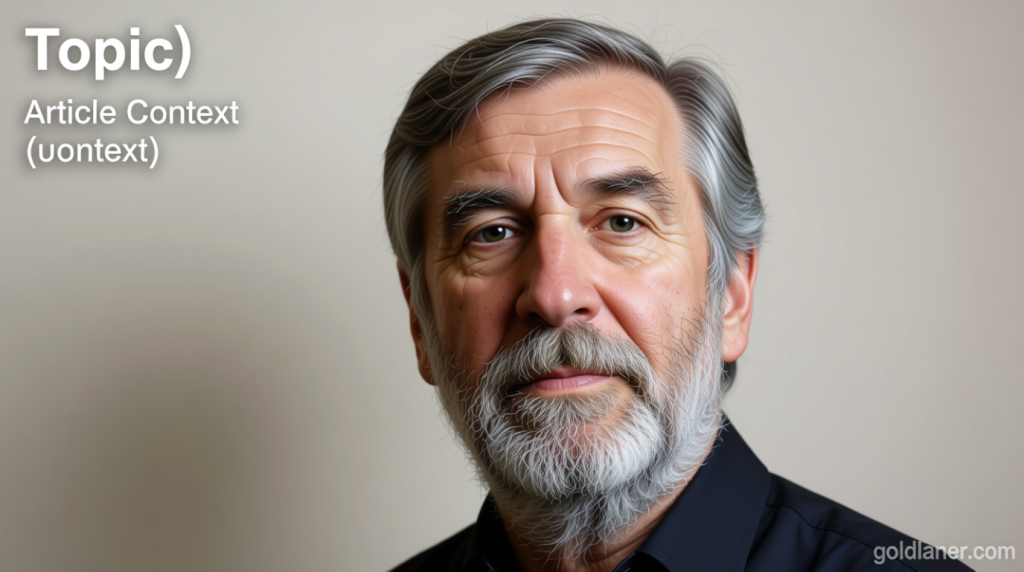
Former Nato Chief Warns of UK Security Risks
Lord George Robertson, a former NATO secretary general, is set to critique the UK government’s approach to defense, claiming leaders have shown “corrosive complacency” and that the nation’s safety is under threat. The former Labour defence secretary will deliver his remarks in Salisbury, highlighting concerns about the delayed release of a 10-year strategy to fund the Strategic Defence Review (SDR). His speech will directly challenge the role of non-military experts within the Treasury, calling their influence “vandalism” that jeopardizes national preparedness.
“We cannot defend Britain with an ever-expanding welfare budget,” Robertson will state. “We are underprepared. We are underinsured. We are under attack. We are not safe… Britain’s national security and safety is in peril.”
The government has pledged to meet the SDR’s objectives, citing a significant rise in defence spending since the Cold War. A spokesperson emphasized that over £270 billion has been allocated across this parliamentary session, but delays in finalizing the long-term plan have drawn criticism. Robertson will argue that even with increased funding, a lack of political will has prevented a meaningful discussion on defence priorities.
Amid global tensions, including Russia’s invasion of Ukraine and the re-election of US President Donald Trump, NATO members face pressure to enhance military readiness. The UK’s defence chief, Sir Richard Knighton, recently addressed these challenges, asserting that the current Middle East conflict marks “probably the most dangerous time of the last 30 years.” However, questions remain about the country’s response to recent threats, such as the drone attack targeting RAF Akrotiri in Cyprus.
A government official noted the target to spend 3% of GDP on defence by the end of the next parliament, but Robertson’s intervention underscores growing skepticism. His warning aligns with concerns that the UK’s commitment to security may lag behind urgent demands, especially as international crises escalate.
