
How Technology Is Reshaping Political Participation in the Digital Age
How Technology Is Reshaping Political Participation in the Digital Age
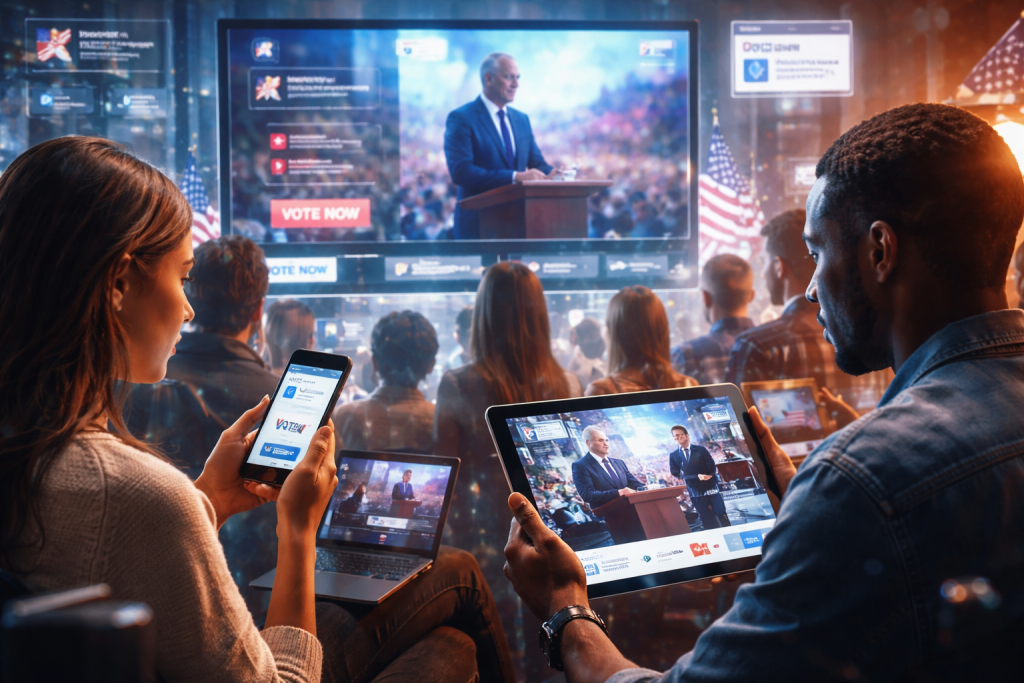
The way people participate in politics has evolved significantly with the advent of new technologies. From social media platforms to digital voting systems, technology is reshaping how individuals engage with political processes, enabling more widespread and dynamic forms of political participation. In this article, we will explore how technology changes political participation and the profound implications it has for democracy and civic engagement.
The Rise of Digital Platforms in Political Mobilization
One of the most significant shifts in political participation is the rise of digital platforms like social media. In the past, political engagement was limited to traditional channels such as rallies, town halls, and political party meetings. Today, social media platforms such as Facebook, Twitter, and Instagram have become critical tools for political communication and engagement.
These platforms allow users to directly interact with political leaders, share opinions, and mobilize support for causes or candidates. Hashtags like #MeToo, #BlackLivesMatter, and #ClimateStrike have shown the power of social media to rally people around political issues, sometimes leading to widespread social movements. Technology has enabled grassroots political activism to spread like wildfire, reaching a global audience in a matter of seconds.
Online Political Discussions and the Democratization of Information
Another way technology changes political participation is by providing people with platforms for online political discussions. Blogs, podcasts, YouTube videos, and online forums now allow individuals to engage in politics beyond traditional news outlets. This has democratized political discourse, allowing a variety of voices to participate in debates.
In the past, information about political events was controlled by a few large media corporations, limiting the scope of political discourse. Now, individuals have access to a broader range of perspectives, including independent media, citizen journalism, and even direct communication with political figures via social media.
While this has increased political awareness, it has also introduced challenges. Misinformation and echo chambers are now prevalent online, and individuals often find themselves surrounded by content that reinforces their existing beliefs. Nevertheless, the ability for anyone to voice their opinions and engage with political content has fundamentally shifted the nature of political participation.
Technology and the Transformation of Voting Systems
Perhaps one of the most direct ways how technology changes political participation is through the transformation of voting systems. Innovations in electronic voting and online voting platforms have made the process of voting more accessible, especially for people with disabilities, those living in remote areas, or individuals who may find it difficult to go to polling stations.
While there are still concerns about the security and integrity of online voting systems, technology has the potential to increase voter turnout by offering more convenient options for people to cast their ballots. The use of blockchain technology, for example, is being explored to ensure secure and transparent elections.
In addition to voting, technology has also influenced other aspects of the electoral process, such as campaign fundraising, data analytics, and voter targeting. Political campaigns can now leverage sophisticated algorithms and vast amounts of data to tailor their messaging to specific demographics, increasing the efficiency of political outreach.
The Role of Political Apps and Digital Tools
Another way technology is reshaping political participation is through the proliferation of political apps and digital tools. These applications allow individuals to stay informed, participate in discussions, and even donate to political causes from their smartphones. Many political parties and candidates now offer apps that allow users to receive updates, access campaign material, and even vote in polls or referendums.
In addition to political apps, there are also platforms designed to connect citizens with lawmakers. For example, some platforms allow people to easily contact their elected representatives, sign petitions, or participate in political surveys. This creates a more direct line of communication between citizens and politicians, making political participation more interactive.
The Digital Divide and Its Impact on Political Participation
While technology offers many opportunities for enhanced political participation, it also highlights the digital divide – the gap between those who have access to technology and those who do not. People without access to smartphones, the internet, or digital literacy may find themselves excluded from these new forms of political engagement.
This digital gap is particularly significant in developing countries, where access to technology can be limited. Even in developed nations, marginalized groups such as low-income individuals or the elderly may struggle to keep up with the rapidly changing technological landscape. As technology continues to shape political participation, it is crucial to address these disparities to ensure equal access to the democratic process for everyone.

Conclusion
In conclusion, technology has dramatically transformed political participation in the digital age. From social media-driven movements to online voting systems, technology has made it easier for individuals to engage with politics and has democratized access to political information. However, it is also important to recognize the challenges, such as misinformation, echo chambers, and the digital divide, that come with this technological revolution. As technology continues to evolve, so too will the ways in which people participate in the political process, presenting both opportunities and challenges for the future of democracy.
FAQ
Q: How has social media changed political participation?
A: Social media has allowed people to engage in politics more directly, share political opinions, and mobilize support for causes. It has democratized political discourse and enabled grassroots movements to gain momentum quickly.
Q: Can technology increase voter turnout?
A: Yes, technology can increase voter turnout by offering more accessible voting methods, such as online or electronic voting systems, making it easier for people to participate in elections.
Q: What is the digital divide in political participation?
A: The digital divide refers to the gap between individuals who have access to technology and those who do not. This disparity can prevent marginalized groups from fully participating in political processes that are increasingly dependent on digital tools.
Q: How does technology influence campaign strategies?
A: Technology allows political campaigns to use data analytics to target specific voter demographics, craft tailored messages, and raise funds more efficiently through digital platforms.
Q: What are the challenges of technology in political participation?
A: Challenges include the spread of misinformation, echo chambers, and the risk of excluding people who lack access to technology or digital literacy, particularly in marginalized communities.
