
Want to help garden birds? Don’t feed them in warmer months, says RSPB
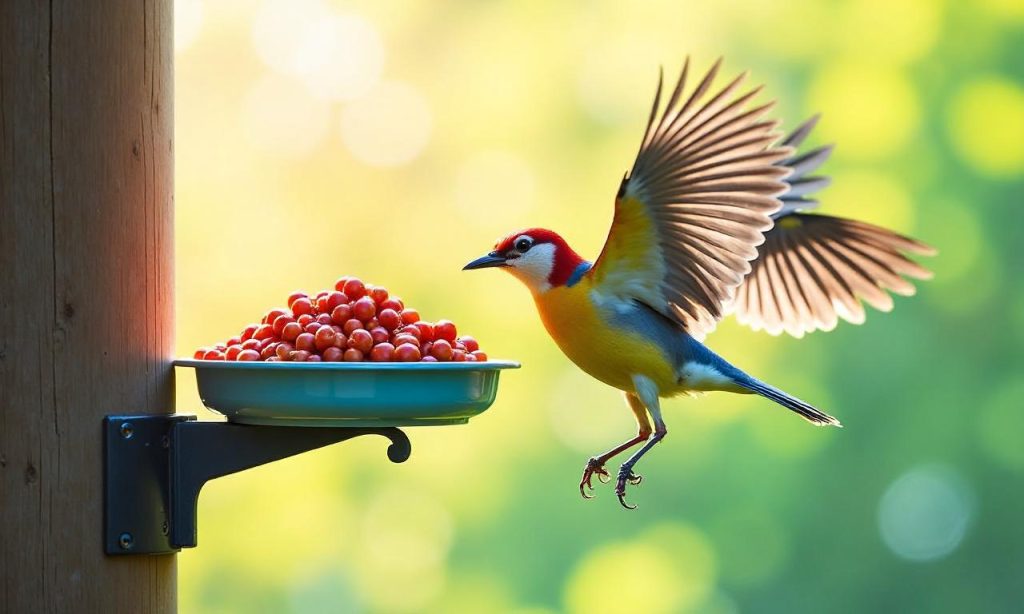
Want to help garden birds? Don’t feed them in warmer months, says RSPB
The UK’s largest bird conservation organization, the RSPB, warns that feeding garden birds during the warmer months could harm their populations. While bird feeders in gardens appear beneficial, they may inadvertently harm certain species. The charity recommends pausing regular feeding between 1 May and 31 October to reduce disease transmission risks.
Trichomonosis, a parasitic infection affecting the mouth, throat, and upper digestive system, has led to sharp declines in greenfinches and chaffinches. Once common in UK gardens, greenfinch numbers have fallen by two million, placing them on the red list of endangered birds. The parasite spreads through saliva and droppings, contaminating food sources, and can be transmitted directly to chicks via regurgitated meals.
The RSPB’s recent Big Garden Birdwatch data shows greenfinches dropped from seventh place in 1979 to eighteenth in 2025. Over 16 million households routinely provide bird food, with one feeder estimated for every nine birds. The charity aims to curb disease spread by encouraging seasonal feeding, but admits shifting habits may take time.
“I want to support the birds—I don’t want to do anything that’s going to spread disease,” says Helen Rowe, a London resident who feeds sparrows. While she enjoys the close encounters, she plans to stop using feeders during warmer months.
Industry groups, like UK Pet Food, argue the guidance represents a major shift from traditional advice, potentially causing confusion. They note £380 million is spent annually on bird food, amounting to over 150,000 tonnes—enough to feed three times the breeding populations of the most common garden birds if used year-round.
The RSPB advocates “feed seasonally, feed safely,” emphasizing hygiene. They suggest small portions of mealworms, fat balls, and suet, limited to a couple of days, while recommending weekly feeder cleanings and relocation to prevent contamination. Fresh tap water should be used daily, and bird baths must be sanitized regularly. Flat feeders, which allow parasite buildup, are no longer sold by the charity.
Dick Woods, a manufacturer of easy-to-clean feeders, questions the uniformity of the advice. “Every garden is different. In some places, natural food is plentiful; in others, feeders are essential,” he notes. The RSPB acknowledges local variations but believes simplicity is key to encouraging widespread adoption of the guidelines.
