Israel backs US-Iran ceasefire but Netanyahu’s war goals remain unfulfilled

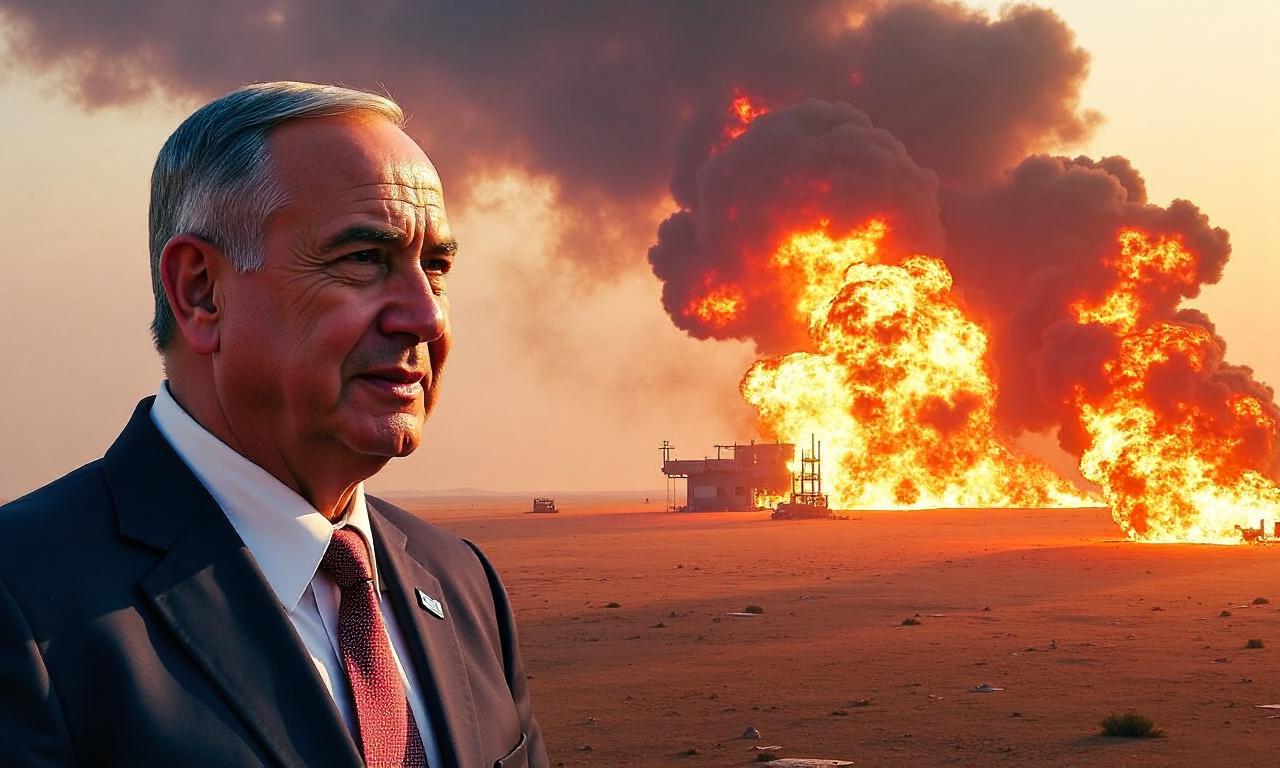
Israel Supports US-Iran Ceasefire, Yet Netanyahu’s Objectives Remain Unmet
Prime Minister Benjamin Netanyahu’s initial declaration of the Israeli-US military campaign against Iran in late February was marked by confidence. However, the subdued tone of his office’s recent statement on the ceasefire, announced overnight, signaled that the decision was largely driven by President Donald Trump. This contrast was evident compared to the celebratory claims from both the US and Iran, which framed the conflict as a significant victory after five weeks of hostilities.
The Ceasefire and Netanyahu’s Stance
Netanyahu described the operation as a success in his remarks on Wednesday, but emphasized that the ceasefire was not the final chapter. He hinted at ongoing efforts to achieve broader goals, whether through negotiation or renewed military action. The conflict’s outcome left Israel and its leader with unmet objectives, as Iran’s armed forces continued operations and its leadership structure remained intact, though key figures like Supreme Leader Ayatollah Ali Khamenei were eliminated during strikes.
Iran’s nuclear program and enriched uranium stockpiles remain unresolved, while its ballistic missile capabilities, though damaged, have persisted. Throughout the war, Iran launched missile barrages toward Israel, prompting alerts and explosions in Jerusalem even after the ceasefire was declared. The Israel Defense Forces confirmed multiple missile launches from Tehran during the conflict.
Political Fallout and Strategic Assessment
“The army did everything they asked of it, the public displayed incredible resilience, but Netanyahu failed politically, failed strategically, and did not meet any of the goals he himself set,”
— Yair Lapid, leader of Israel’s opposition party.
With Israel’s upcoming elections, Netanyahu faces potential political challenges. Shira Efron of the RAND Corporation noted that the prime minister had promised Israelis the campaign would dismantle Iran’s Islamic regime, “cutting the head of the snake” to eliminate an existential threat. However, she argued the war’s outcomes fell short, as Iran’s nuclear and missile programs remained active, and the country’s leadership persisted despite casualties.
Anshel Pfeffer, a seasoned Israeli journalist and biographer of Netanyahu, observed that the prime minister had only mentioned a “suspension” of hostilities, not a definitive end. This ambiguity raised concerns about a potential rift with the US if the ceasefire was finalized without sufficient Israeli input. Pfeffer suggested Netanyahu’s strategic shortcomings could strain the alliance.
Yossi Kuperwasser, former military intelligence officer and director of the Jerusalem Institute for Strategy and Security, offered a different perspective. He noted that “practical achievable goals” had been met, including damage to Iran’s nuclear and missile facilities, as well as a significant reduction in its military leadership. However, “wishful goals” such as regime change had not materialized, leaving the Iranian threat unchanged.