Chinese spy balloon was able to transmit information back to Beijing

Chinese Spy Balloon Was Able to Transmit Information Back to Beijing
In early 2023, a Chinese surveillance balloon that traversed US airspace was equipped to capture visual data and intercept signals from military installations, according to a source close to the situation. This individual informed CNN that the balloon could send data to Beijing in real time, though the US government remains uncertain if the Chinese authorities erased the information as it was collected. This uncertainty has sparked questions about whether the US has missed intelligence gathered by the balloon.
Despite the balloon’s capabilities, the intelligence community has expressed limited concern about the data it could have retrieved, the source noted. They explained that the technology used is not significantly more advanced than what Chinese satellites already employ to monitor comparable regions. A US intelligence official, speaking to CNN on Monday, stated,
“Although analysis of the High Altitude Balloon wreckage continues, its flight over the United States has not yielded critical new intelligence for the People’s Republic of China.”
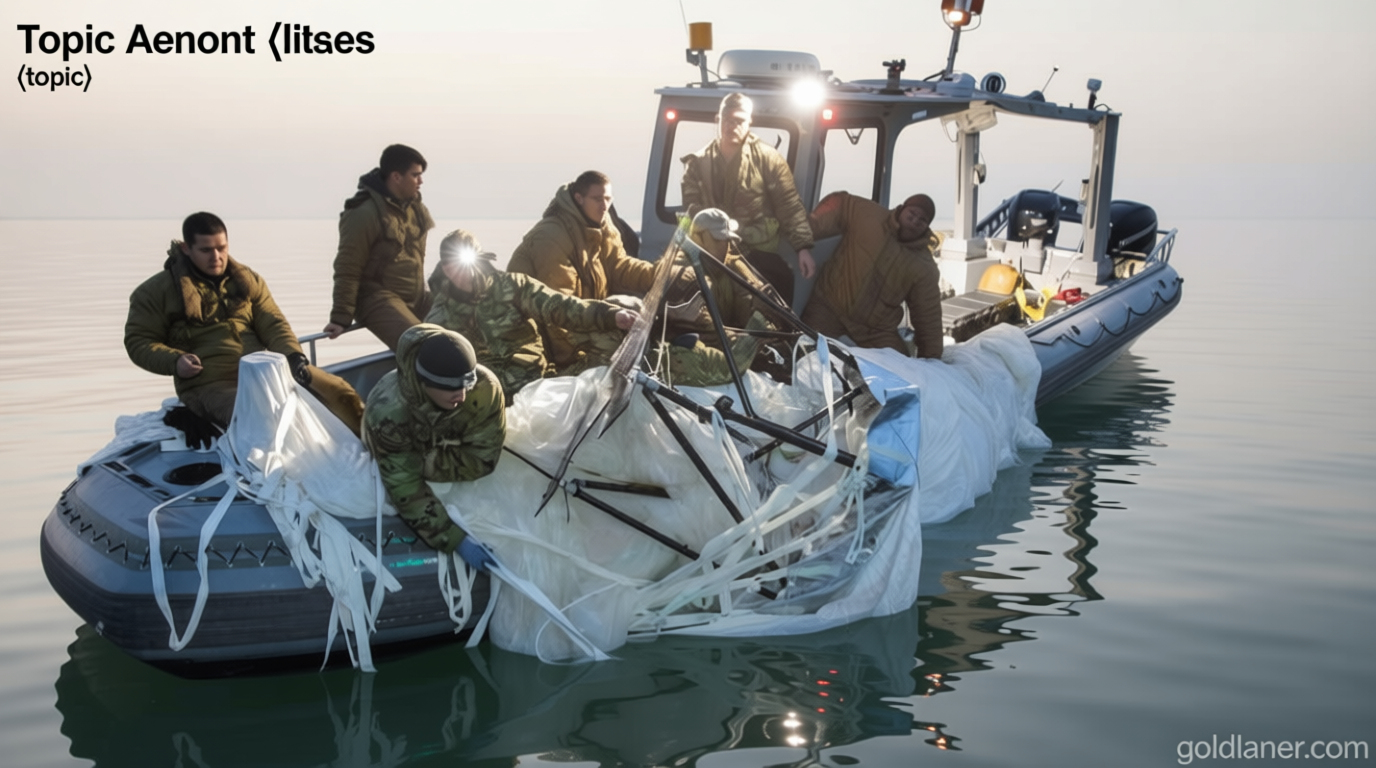
Officials confirmed that the US was aware of the balloon’s trajectory and took steps to safeguard sensitive areas, blocking certain signals before the balloon could intercept them. Earlier reports highlighted that the US intelligence community had previously developed methods to track a network of these balloons worldwide, believed to be under military control. The FBI is still analyzing the balloon, but has already uncovered details about its operation, including software algorithms and power systems.
The balloon first entered US airspace over Alaska in late January, moving through Canada and settling in Montana, where it lingered for several days. US officials suspected it was targeting military assets, such as Malmstrom Air Force Base. It was ultimately shot down off the East Coast on February 4, intensifying diplomatic friction between Washington and Beijing. This event also delayed a planned visit by Secretary of State Antony Blinken to China.
A senior State Department official mentioned in February that the balloon “was capable of conducting signals intelligence collection operations” during its journey. General Glen VanHerck, head of US Northern Command and NORAD, added that the balloon “did not present a significant collection hazard” beyond existing capabilities from Chinese technical assets. The surveillance initiative, which involves multiple balloons, is reportedly coordinated from Hainan, a small Chinese province.
While the US has yet to determine the exact number of balloons in the fleet, sources suggest at least 24 missions have been conducted across five continents in recent years. About six of these flights occurred within US airspace, though not all were over US territory. China has insisted the balloon was merely a weather balloon that drifted off course, but officials believe it retained some level of maneuverability during its flight.
This story has been updated with new details. CNN’s Alex Marquardt contributed to this report.