
EU weighs options as Israel threatens Lebanon offensive
EU Weighs Options as Israel Threatens Lebanon Offensive
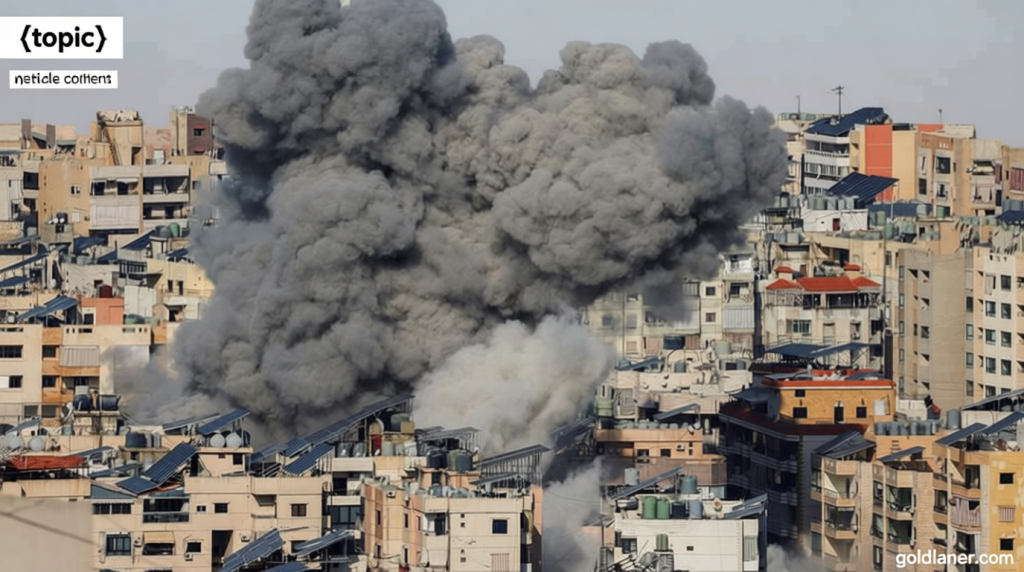
European Union representatives are urging Israel to avoid a military incursion into Lebanon. However, the question remains: can they convince Hezbollah to disarm or halt Israeli operations? The Israeli military confirmed it was conducting “limited and targeted ground operations” in southern Lebanon against the Iran-backed group, which operates both as a militia and political faction.
Leaders from France, Germany, Italy, the UK, and Canada issued a statement highlighting the potential for severe humanitarian fallout if Israel launches a large-scale ground campaign. “A significant Israeli ground offensive could lead to a prolonged conflict and devastating consequences for civilians,” the statement warned, emphasizing the need to prevent escalation.
Lebanon’s Political Response
Lebanon’s parliament recently extended its term by two years, postponing national elections originally slated for May. This decision followed concerns that holding a vote during wartime and mass displacement would be impractical. The country faces ongoing economic turmoil, which adds to the pressure on leaders to manage the crisis.
Hezbollah’s Retaliation and European Leverage
Two weeks prior, Hezbollah launched attacks on Israel after the US and Israel bombed Iran, killing its supreme leader, Ayatollah Ali Khamenei. Despite Lebanon’s government urging restraint, the militia retaliated. European leaders now seek Hezbollah’s disarmament but are wary of the broader implications of an Israeli invasion. “The EU has not yet used its key economic tool to pressure Israel,” noted Julien Barnes-Dacey of the European Council on Foreign Relations.
“Europeans have repeatedly asked Israelis to avoid escalation, whether in Lebanon, Gaza, or elsewhere. Yet these statements rarely translate into meaningful action,” Barnes-Dacey remarked to DW.
The primary worry for European leaders is the potential spread of conflict across the Middle East. This could deepen regional instability and drive more refugees to Europe. “This situation might push additional Middle Eastern populations to seek safety in Europe,” he explained, underscoring the migration concern.
Sectarian Tensions and Displacement Risks
There is also a growing risk of internal conflict within Lebanon. Displaced Shiites, who make up most of those fleeing violence, are increasingly viewed as threats by Sunni and Christian communities. Hezbollah, as a Shiite militia, is seen as a symbol of this perceived danger. Israeli forces have mentioned advancing beyond the Litani River, potentially displacing thousands.
Meanwhile, peacekeepers from the United Nations Interim Force in Lebanon (UNIFIL) face heightened risks. They have already encountered fire during clashes between Israel and Hezbollah. The UNIFIL statement on March 6 condemned the targeting of peacekeepers, who are tasked with Security Council-mandated duties.
European Economic Influence
Analysts suggest the EU’s primary tool for influencing Israel is its economic relationship. Could suspending the EU–Israel Association Agreement serve as leverage to curb military actions? Discussions about trade restrictions, previously considered to limit Israel’s campaign in Gaza, may resurface as a means to apply pressure.
