
Iran begins laying mines in Strait of Hormuz, sources say
Iran Begins Laying Mines in Strait of Hormuz, Sources Say
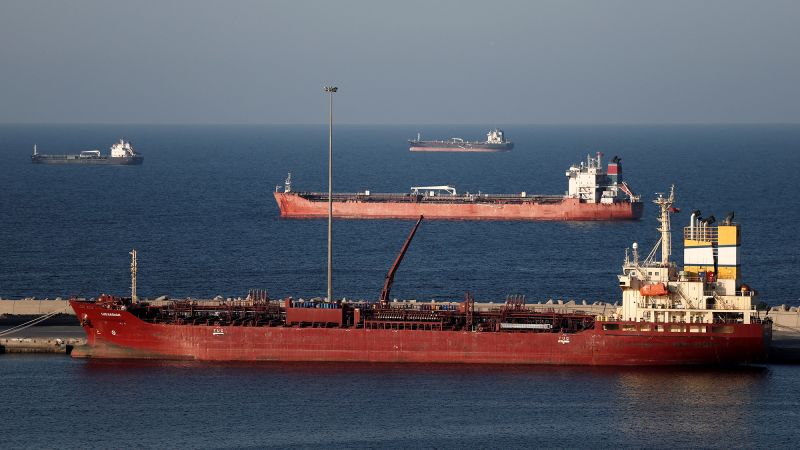
According to two individuals with access to US intelligence reports, Iran has initiated mine deployment in the Strait of Hormuz, a vital oil passage responsible for roughly 20% of global crude exports. The current operation involves a limited number of mines, with just a few dozen placed in recent days. However, one of the sources emphasized that Iran still controls the majority of its small boats and mine-laying craft, suggesting the potential for a significant escalation in the region.
The Islamic Revolutionary Guard Corps (IRGC) and the country’s traditional navy have effectively taken charge of the strait, enabling them to utilize a network of dispersed mine-laying vessels, explosive boats, and shore-based missile systems. CNN previously highlighted this strategic capability, noting the ability to create a “gauntlet” of threats for passing ships.
Trump’s Response and US Military Actions
President Donald Trump asserted on Truth Social that if Iran had placed mines in the strait, the US would demand their immediate removal. “We want them removed, IMMEDIATELY!” he wrote, adding that failure to remove them would result in “consequences at a level never before seen.” He also stated that Tehran’s removal of potential mines would mark “a giant step in the right direction.”
“If Iran has put out any mines in the Hormuz Strait, and we have no reports of them doing so, we want them removed, IMMEDIATELY!” — President Donald Trump
Following Trump’s remarks, Secretary of Defense Pete Hegseth tweeted that the US Central Command had been targeting Iranian mine-layers with precision. “We will not allow terrorists to hold the Strait of Hormuz hostage,” he added. Later that day, US Central Command confirmed the destruction of multiple Iranian naval ships, including 16 minelayers, near the strait.
Strait Closure and Market Reactions
Iranian forces have effectively blocked the strait since the onset of the conflict, reducing it to a “death valley” of risk for maritime traffic. US officials noted that no vessels had been escorted through the waterway, though Trump claimed the administration was considering options for such measures. “The Strait of Hormuz is going to remain safe,” he stated during a Monday press conference, citing the presence of advanced naval equipment.
Nearly 15 million barrels per day of crude oil, along with 4.5 million bpd of refined fuels, are now stranded in the Gulf. Countries like Iraq and Kuwait have no alternative routes to transport their oil, intensifying the economic pressure. Meanwhile, the G7 group of major economies has suggested releasing more oil to counter the supply disruptions.
Market volatility surged on Tuesday as uncertainty over the strait’s navigability caused crude prices to fluctuate between $80 and $90 per barrel. This story has been updated with additional developments.
