
Stopping weight loss jabs can lead to rapid weight regain in one year, study suggests
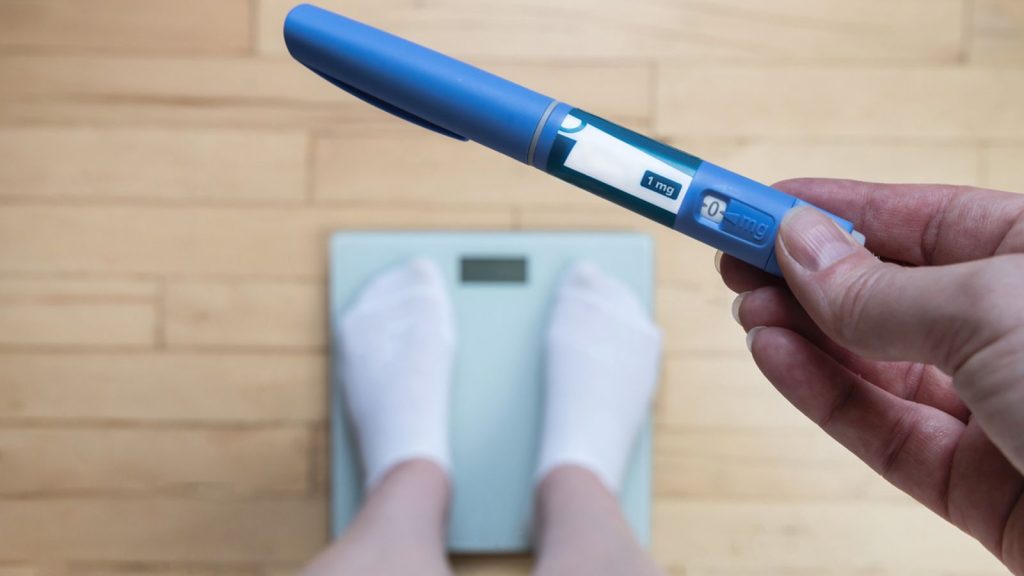
Weight Loss Injections May Result in Rapid Weight Gain After Discontinuation, Research Indicates
New research indicates that individuals who discontinue obesity-targeted injections experience substantial weight recovery within a year. A study led by researchers at the University of Cambridge found that, following a 52-week period without treatment, participants on average regained 60% of the weight they had previously lost.
Experts caution that if the majority of the regained weight consists of fat, patients may end up in a less favorable health state than before initiating the therapy. The study highlights that “there is significant weight regain following cessation” of GLP-1 receptor agonists, a class of medications used to manage obesity.
GLP-1 Receptor Agonists and Their Expanded Applications
GLP-1 receptor agonists, a category of medications initially developed for type 2 diabetes, work by mimicking the hormone GLP-1 to regulate blood sugar and insulin. Certain variants, such as semaglutide (Wegovy) and tirzepatide (Mounjaro), are now approved for obesity treatment on the NHS. Beyond weight management, these drugs have also shown potential in addressing addiction to substances like alcohol, cigarettes, and narcotics, according to a second study involving over 600,000 US veterans.
The US research monitored veterans for up to three years, revealing a 14% decreased likelihood of developing substance use disorders (SUDs) after starting the injections. Participants also experienced a notable reduction in risks related to alcohol (18%), cannabis (14%), cocaine (20%), nicotine (20%), and opioids (25%) compared to those on other diabetes medications. For individuals already struggling with addiction, the drugs were linked to a 31% lower chance of emergency department visits, hospitalizations, and fatal outcomes tied to substance misuse.
“Our projections show that even though people regain most of the weight they have lost, they still maintain some of the weight loss, but what we currently don’t know is if the same proportion of lean mass is recovered,” said Brajan Budini, a medical student at the University of Cambridge’s School of Clinical Medicine.
The Cambridge study, which analyzed six trials with over 3,200 participants, found that weight regain tends to stabilize, reaching 75% of the initial loss by 60 weeks. This suggests that 25% of the weight reduction might be sustained long-term. However, the researchers emphasize the need for further trials to determine how the drugs impact body composition during and after treatment.
While the study predominantly focused on older male participants, similar results were observed in female subjects. The findings, published in the British Medical Journal, underscore the potential of GLP-1 receptor agonists in both obesity management and addiction prevention.
