
Why Iran depends on exports to China
Why Iran Depends on Exports to China
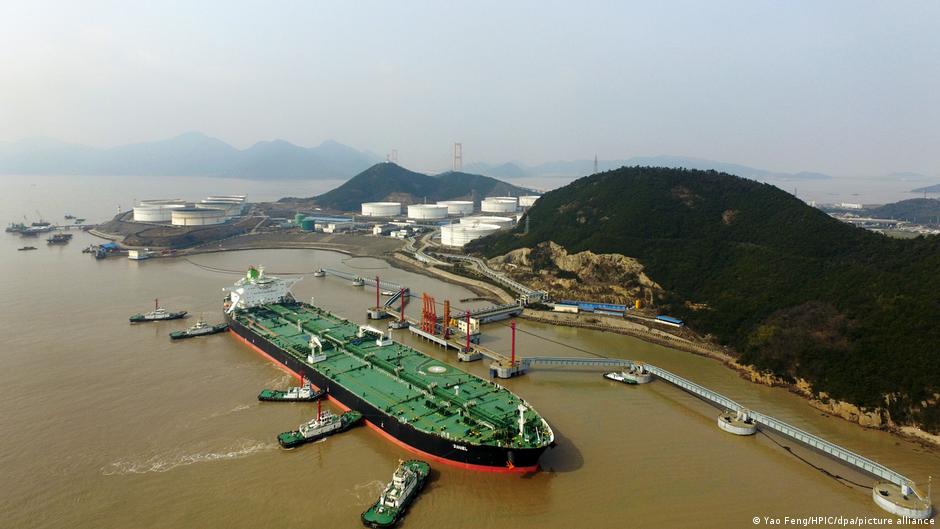
Iran’s economic challenges have deepened as it restricts maritime passage through the Strait of Hormuz. However, this move threatens its own trade networks. Although Iranian threats have nearly halted ship traffic in the strait, analysts suggest a prolonged blockage would harm Iran’s economy. “Approximately 70% of Iran’s non-oil trade relies on access via the Strait of Hormuz,” notes Dalga Khatinoglu, a gas and economic analyst from Iran International. A complete closure would disrupt both imports and exports, including vital food supplies and shipments to key markets like China and India.
Global Impact of the Strait Closure
Iran International highlights that a blockage of the strait would not only hinder oil exports but also cut off aviation fuel and liquefied natural gas supplies. Around 30% of Europe’s aviation fuel and 20% of global LNG transit through this critical waterway. Despite temporary disruptions, nations such as the U.S., EU members, the UK, Japan, and Canada maintain strategic reserves to buffer short-term interruptions.
“China is now the primary buyer of Iranian, Venezuelan, and Russian crude, which explains its growing economic significance to Iran,” states Nikolay Kozhanov of Qatar University. “The country’s dependence on this market outweighs concerns about new UN sanctions.”
Sanctions and Trade Dynamics
Western sanctions, including those targeting Iranian exports, have been in place since the 1979 Islamic Revolution. Additional UN measures were introduced between 2006 and 2015 due to Iran’s nuclear program. Yet, sanctions eased from 2016 to 2018 during Iran’s participation in the JCPOA agreement. President Trump later reinstated strict penalties after the U.S. withdrew from the deal.
These sanctions have created a reliance on alternative trading routes, with China absorbing over 80% of Iran’s exports. According to Kpler, a data analytics platform, this shift has made China Iran’s most crucial market. While China benefits from discounted oil prices, Iran faces reduced revenue. “Transportation costs are rising due to shadow fleets and detours required by sanctions,” explains Kozhanov. “This forces Iran to trade volume for lower per-unit profits.”
Strategic Shift and Economic Consequences
Sanctions have also allowed China to diversify its oil sources, moving away from U.S.-aligned suppliers like Gulf Cooperation Council (GCC) nations. Kozhanov argues that the restrictions weaken Iran’s long-term oil production and economic stability. “Iran’s oil sector is entering a slow decline, reflecting broader challenges in regime resilience,” he says. “This structural erosion is now evident in its market position and trade relationships.”
With global demand for crude oil, nearly 20% of which flows through the Strait of Hormuz, a prolonged closure could send prices soaring. The U.S. Energy Information Administration (EIA) reports that over 80% of these deliveries go to Asian markets, particularly China, India, and Japan. As Iran’s exports to these regions remain critical, its economic survival hinges on maintaining access to these trade channels.
