
‘We can’t take it anymore’: How Trump is pushing Cuba to the brink
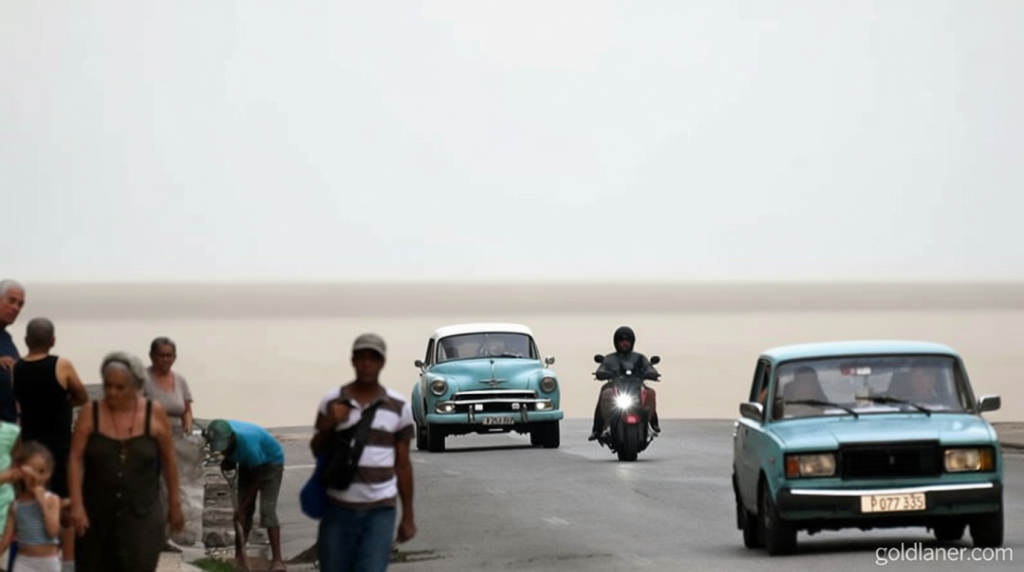
‘We’re reaching our breaking point’: Trump’s relentless pressure on Cuba
A man in Havana, his voice hushed, shared his thoughts as we walked through the city streets. “Let the Americans come, let Trump come—this has gone on too long,” he muttered, his words carrying a mix of resignation and urgency. The remark, though brief, hinted at the growing desperation among Cubans, as the nation faces its most severe economic strain in decades. The U.S. president’s recent declarations have intensified the situation, echoing Cold War-era rhetoric with a modern twist.
Historical echoes of crisis
Cuba’s struggles are not new. Since Fidel Castro’s revolutionary forces seized power in 1959, the island has endured a series of upheavals: failed CIA invasions, nuclear threats, and mass departures. Yet, the current predicament feels distinct. Trump’s policies, particularly the swift implementation of an oil embargo, have targeted Cuba’s already fragile economy with precision. This move follows his earlier efforts to destabilize Venezuela and Iran, signaling a pattern of aggressive intervention.
Unlike the 1962 missile crisis, which featured a U.S. naval blockade, today’s pressure is more subtle. With allies like Venezuela cutting oil supplies, Havana’s energy grid has suffered, leading to prolonged blackouts. In one instance, a 36-hour outage forced residents to cook over burning tree limbs on the sidewalk, a stark reminder of the island’s regression. “We’ve gone back to the Stone Age,” remarked a man during the crisis, his tone unexpectedly buoyant.
Living with scarcity
Shortages of fuel have turned government-owned cars into lifelines. Cubans now rely on T-Plate vehicles, siphoning gasoline for resale on the black market. A single tank fetches over $300, surpassing the annual income of many citizens. Meanwhile, the once-bustling tourist sector has withered. Hotels built with public funds stand empty, and the absence of jet fuel has emptied the skies. The Cuban government’s slogan—“Cuba is not alone”—feels increasingly hollow.
Despite the hardships, officials remain defiant. “The U.S. will never again control our terms,” one told me, while others hinted at the resilience of their nation. Still, the people’s weariness is palpable. Many express hope for change, though their expectations remain unclear. When my cameraman reappeared, I asked the taxi driver if he wished to speak for the story. He hesitated, then walked away, content to keep his grievances private for now.
