
By allowing Israel to bomb Iran, Trump is pushing Tehran to go nuclear
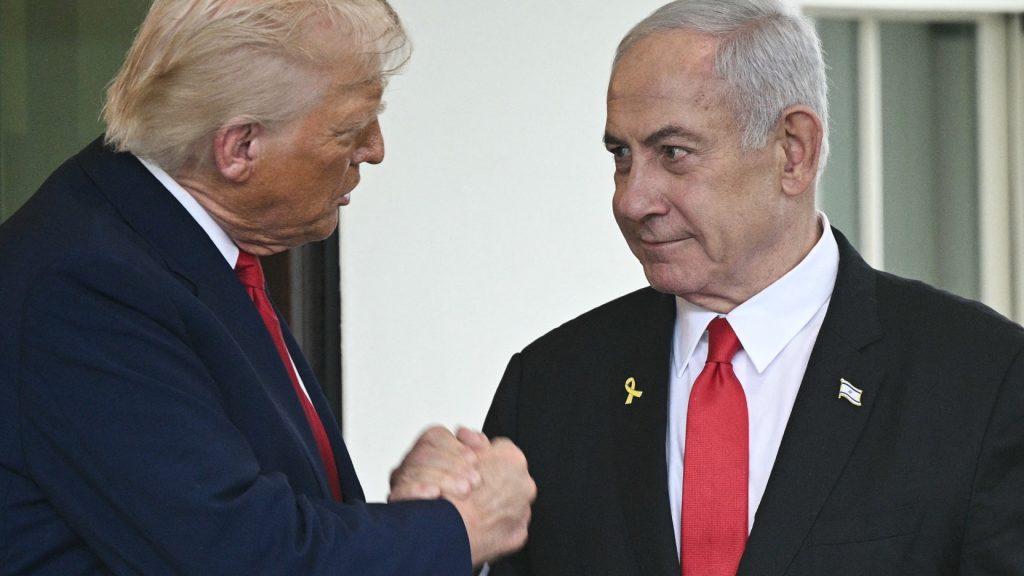
Donald Trump’s Decision to Permit Israel’s Strike on Iran Marks a Major Miscalculation
Allowing Israeli Prime Minister Benjamin Netanyahu to launch a military campaign against Iran represents a critical error in judgment by the U.S. president, potentially surpassing the consequences of George W. Bush’s 2003 invasion of Iraq in terms of global repercussions.
The Aftermath of Iraq: A Prelude to Current Turmoil
When Bush initiated the Iraq War, it ignited a decade of instability, resulting in at least 655,000 fatalities, as documented by The Lancet. The conflict also gave rise to extremist groups like the Islamic State and placed a once-mighty nation on the brink of collapse, a state it has yet to fully recover from fourteen years later.
Trust Erosion: A Global Power’s Decline
By enabling Israel’s preemptive strike while U.S. diplomats were in talks with Tehran, Trump’s administration has placed itself on par with notorious figures like Al Capone or Joaquin “El Chapo” Guzman in terms of credibility. This move exemplifies the conduct of a drug cartel, not a leading global power, undermining the trust that nations once placed in American leadership.
“Iran must make a deal, before there is nothing left, and save what was once known as the Iranian Empire. No more death, no more destruction, JUST DO IT, BEFORE IT IS TOO LATE. God Bless You All!”
Trump’s rhetoric, published on Truth Social, echoes a tone of urgency and ultimatum. Yet, this statement appears especially hollow when considering Iran’s long history of suffering under Western-backed aggression, dating back to the 1980s.
The Iran-Iraq War: Shaping Tehran’s Resolve
The Iran-Iraq War, fought from 1980 to 1988, forged the nation’s defensive strategies and its nuclear ambitions. During this period, Iran’s then-supreme leader, Ayatollah Ruhollah Khomeini, faced internal chaos after the revolution, with much of the military dissolved. The country’s regular forces and newly formed Islamic Revolutionary Guards Corps (IRGC) struggled with shortages, as weapons were passed among soldiers during intense frontline battles.
Under Saddam Hussein, supported by the U.S. and Europe, Iraqi forces initially advanced rapidly. However, they were gradually repelled at a devastating human cost. Western allies provided the technology and precursor chemicals for Saddam’s chemical weapons, including mustard gas, sarin, and tabun. This support persisted even after the 1988 gas attacks on Kurdish civilians in Halabja, which British diplomats downplayed as part of their negotiations with Saddam.
Three years into the war, Reagan sent Donald Rumsfeld to meet with Saddam, formalizing U.S. backing. National Security Decision Directive 114, issued on 26 November 1983, outlined the American objective: safeguarding military interests and oil supplies in the Gulf. Saddam’s use of chemical weapons was deemed secondary to these priorities, a stance that would later haunt the region.
Iran’s veterans still endure the physical and psychological scars of those attacks, and the war ultimately solidified the country’s commitment to building a network of armed groups as a deterrent. Today, this “axis of resistance” may be less formidable than it was in the past, yet Trump’s recent actions risk reigniting the same cycle of conflict.
